
Austria
Discover Austria – A Motorhome Journey Through Alpine Landscapes
This guide is based on our own motorhome journey through Austria with our dog, exploring some of the country’s most memorable destinations. From the spectacular Krimml Waterfalls and the crystal-clear waters of Zeller See to the historic streets of Salzburg, the grandeur of Vienna and the alpine scenery surrounding Innsbruck, every stop offered something unique.
We hope our journey inspires yours. Happy travels!
Country introduction
Why Austria is Perfect for a Motorhome Adventure
Austria offers a wonderful combination of breath-taking scenery and well-organised touring, making it one of Europe’s best destinations to explore by motorhome. One day you can wake up beside a crystal-clear lake, spend the afternoon driving spectacular mountain passes, and finish with an evening stroll through a charming historic town. It’s this incredible variety that makes every day feel like a new adventure.
Rather than being a traditional travel guide, this page is our personal travel diary. We’ve focused on the practical details that matter most when touring in a motorhome—where we stayed, how easy each stop was to access, whether dogs were welcome, and which places we’d genuinely recommend including as part of a wider Alpine journey. We hope our experiences help you plan an unforgettable trip of your own.
🚐 Touring Reality
Mountain routes need a little planning, city visits are often easier from a campsite, and the best scenic roads are enjoyed slowly rather than rushed.
🏔 Why we love it
Waterfalls, Alpine lakes, beautiful old towns, well-kept campsites and some of the most unforgettable road scenery in Europe.
🐕 Dog friendly notes
Austria is a great destination for dog-friendly touring, with plenty of lakeside walks, riverside paths and open countryside to explore together.
💡 Our tip
Use campsites as your base and explore by bike, shuttle or local transport where possible. It makes the whole experience more relaxed and enjoyable.
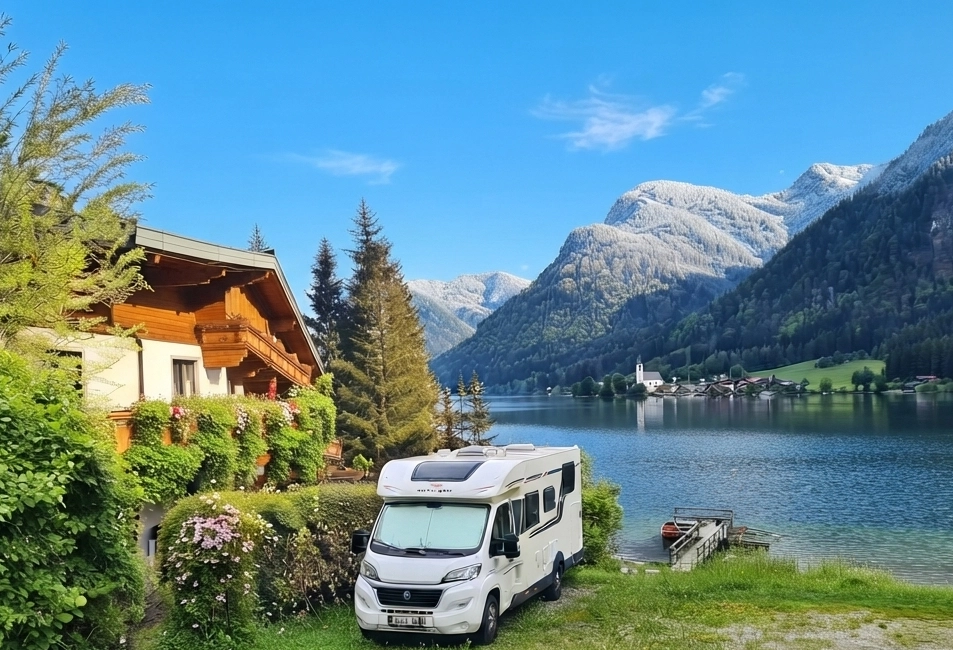
Our Austria journey at a glance
This section is designed as an interactive-style route overview, giving visitors a clear sense of how the trip flows from waterfall scenery to elegant cities and Alpine lake stops.
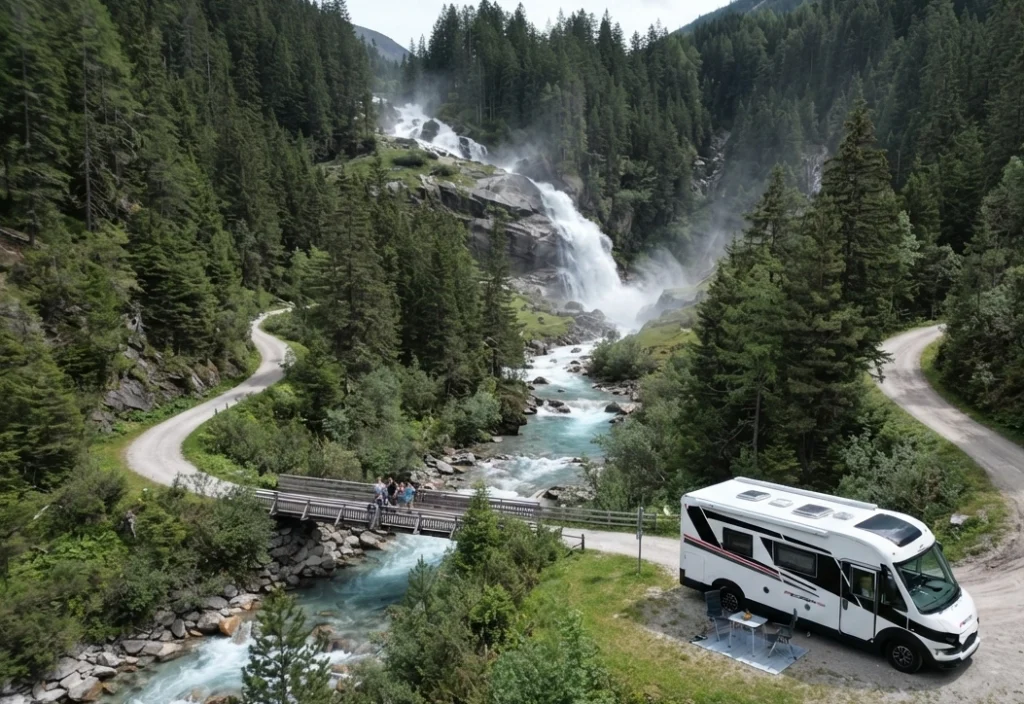
📍 Route order
🗺 What this map section does
Each stop below is built to feel clickable and scannable, with campsite notes, nearby highlights, ratings and practical touring advice that mirrors an interactive guide experience.
Destination guide
Five memorable Austria stops
Each destination follows the same travel-diary structure so visitors can quickly compare scenery, campsite appeal, dog-friendly value and how easy each place feels by motorhome.
Krimml Waterfalls
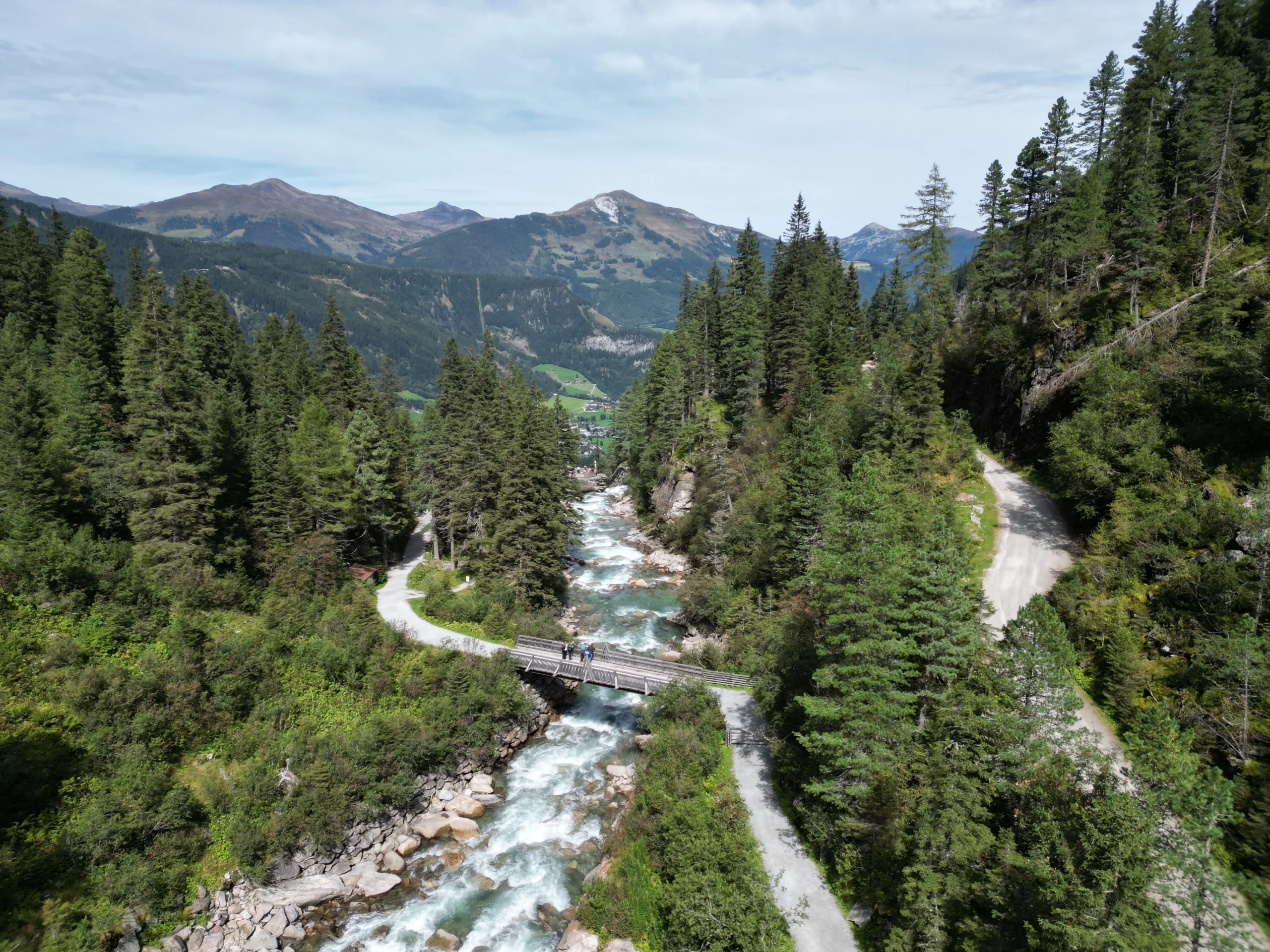
About Krimmler Falls
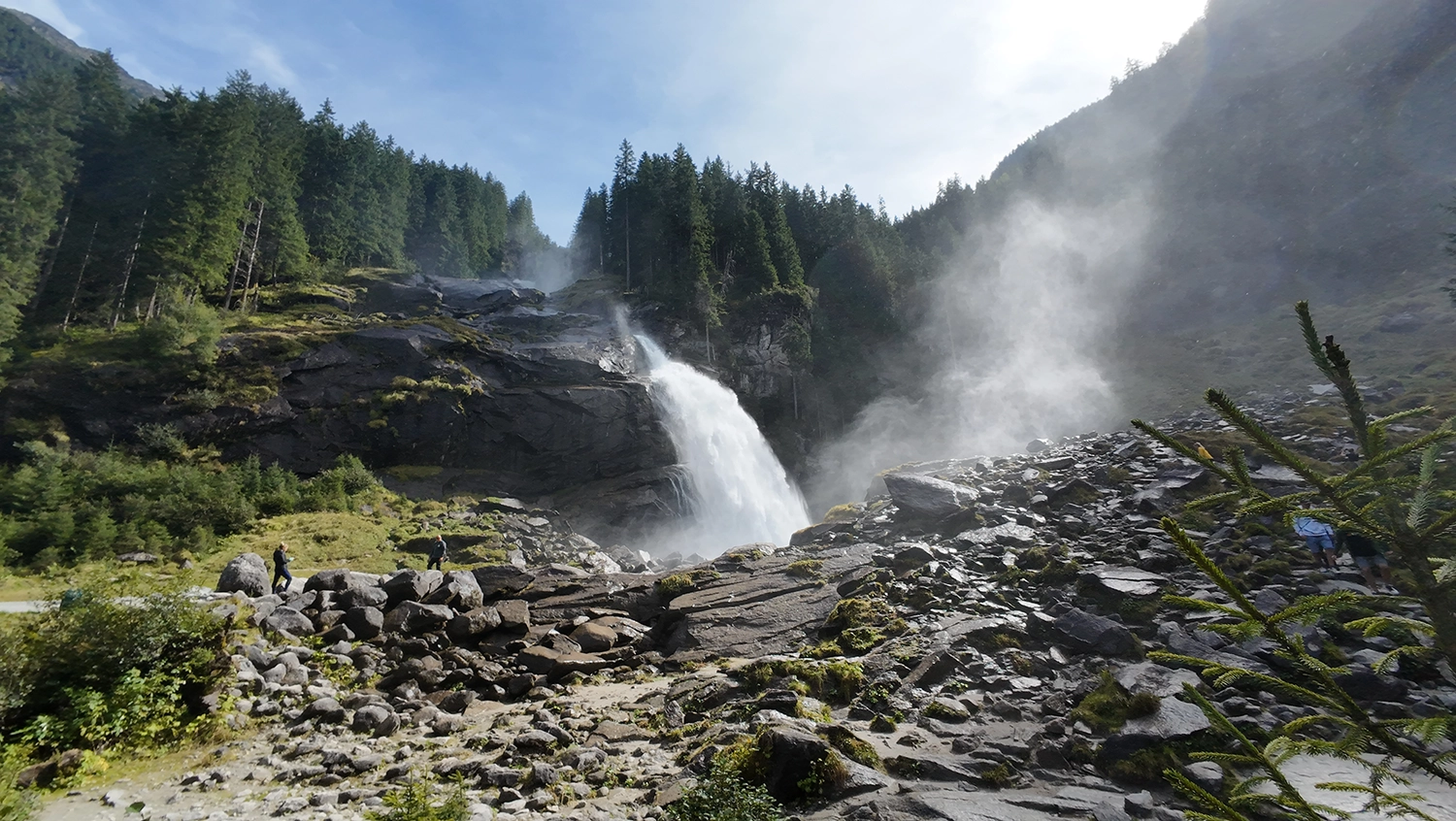
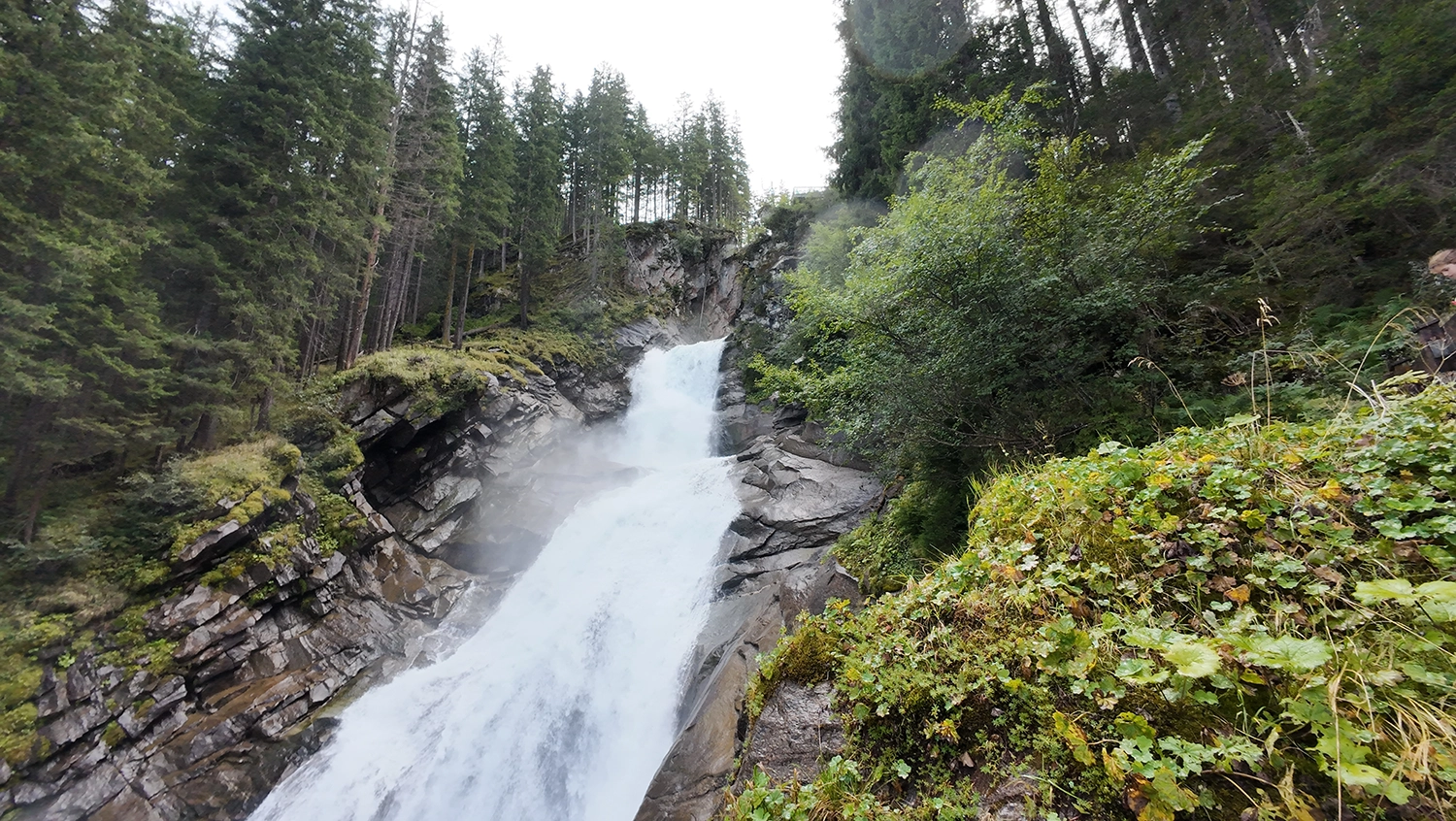
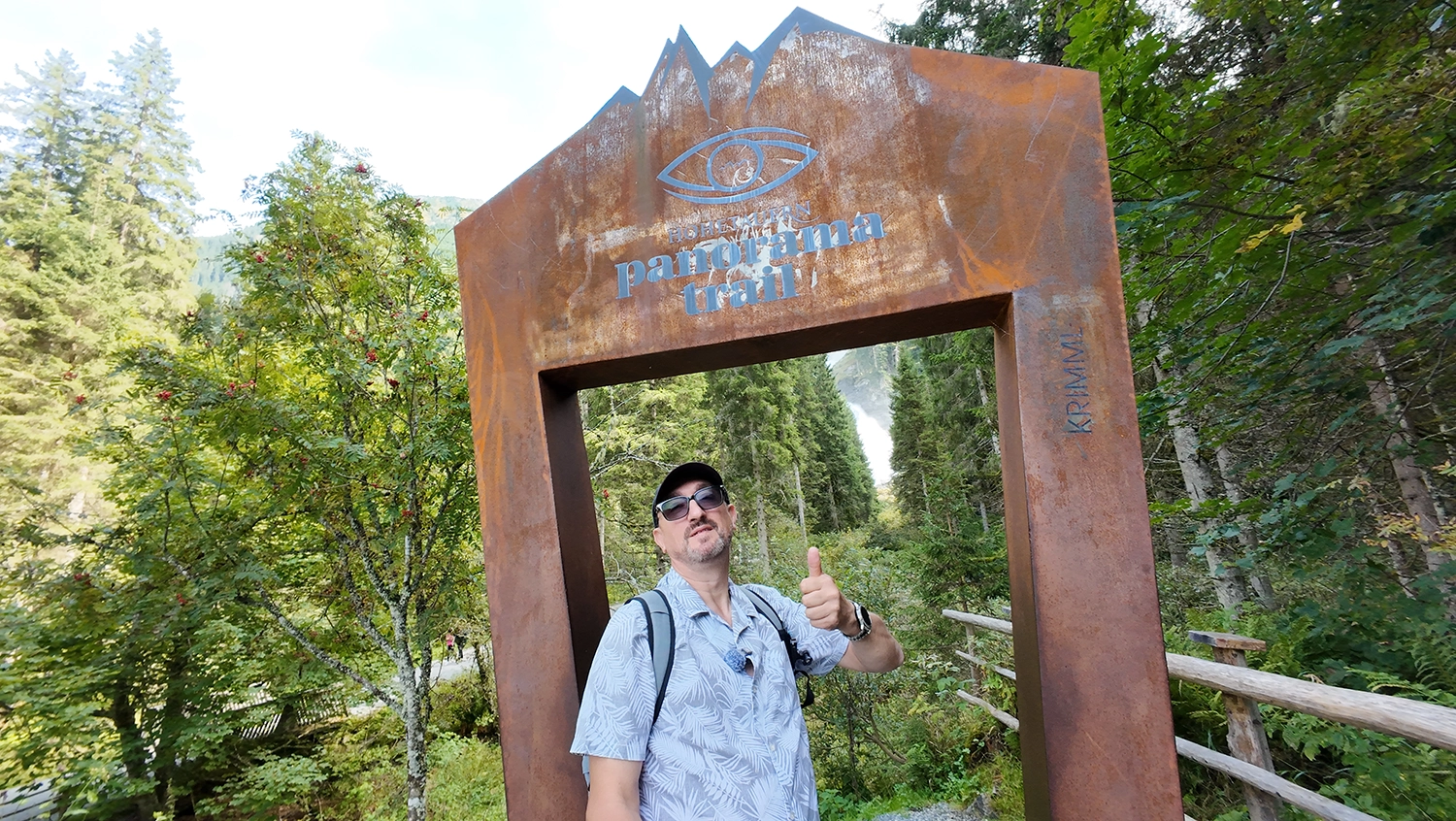
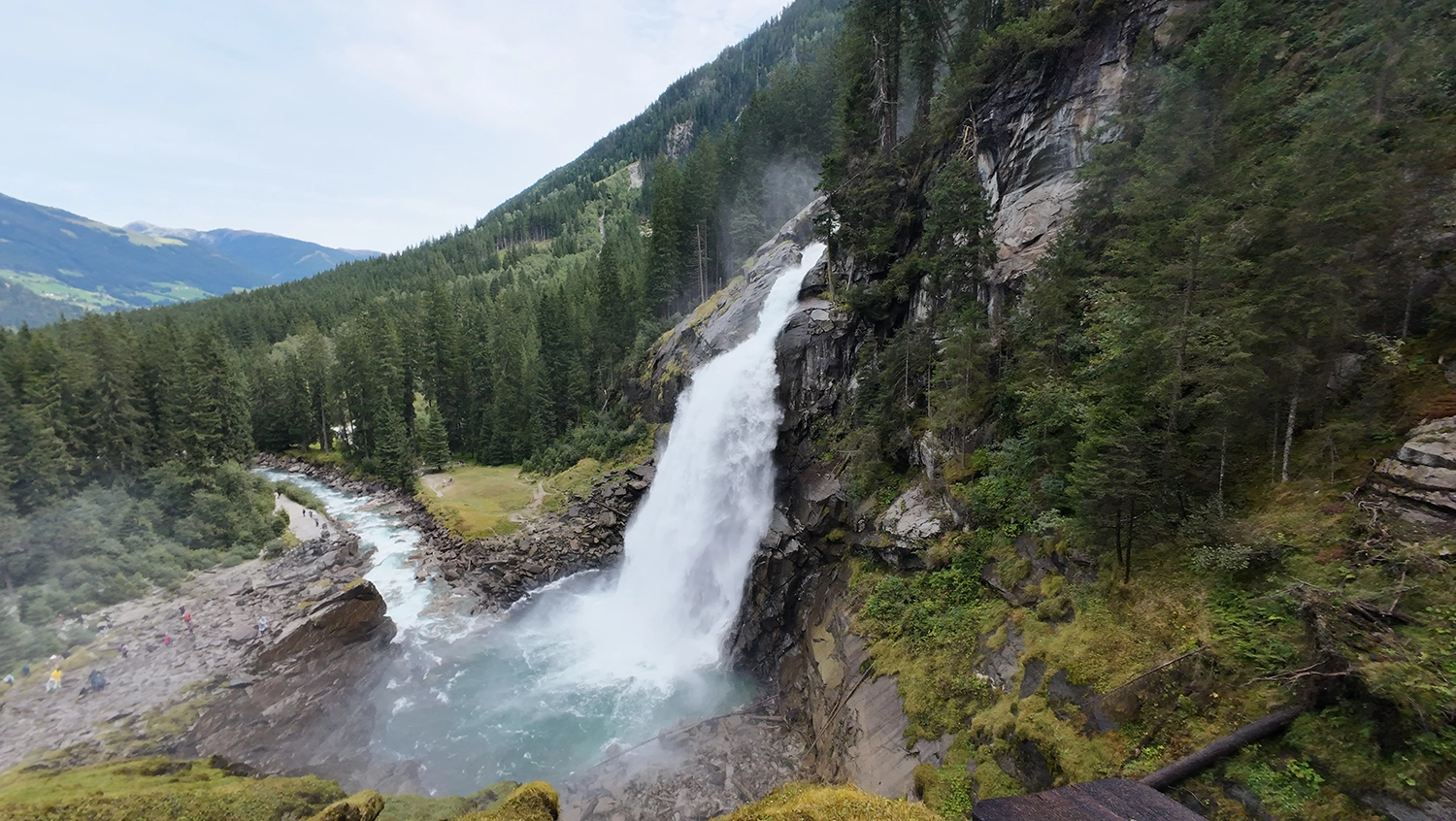
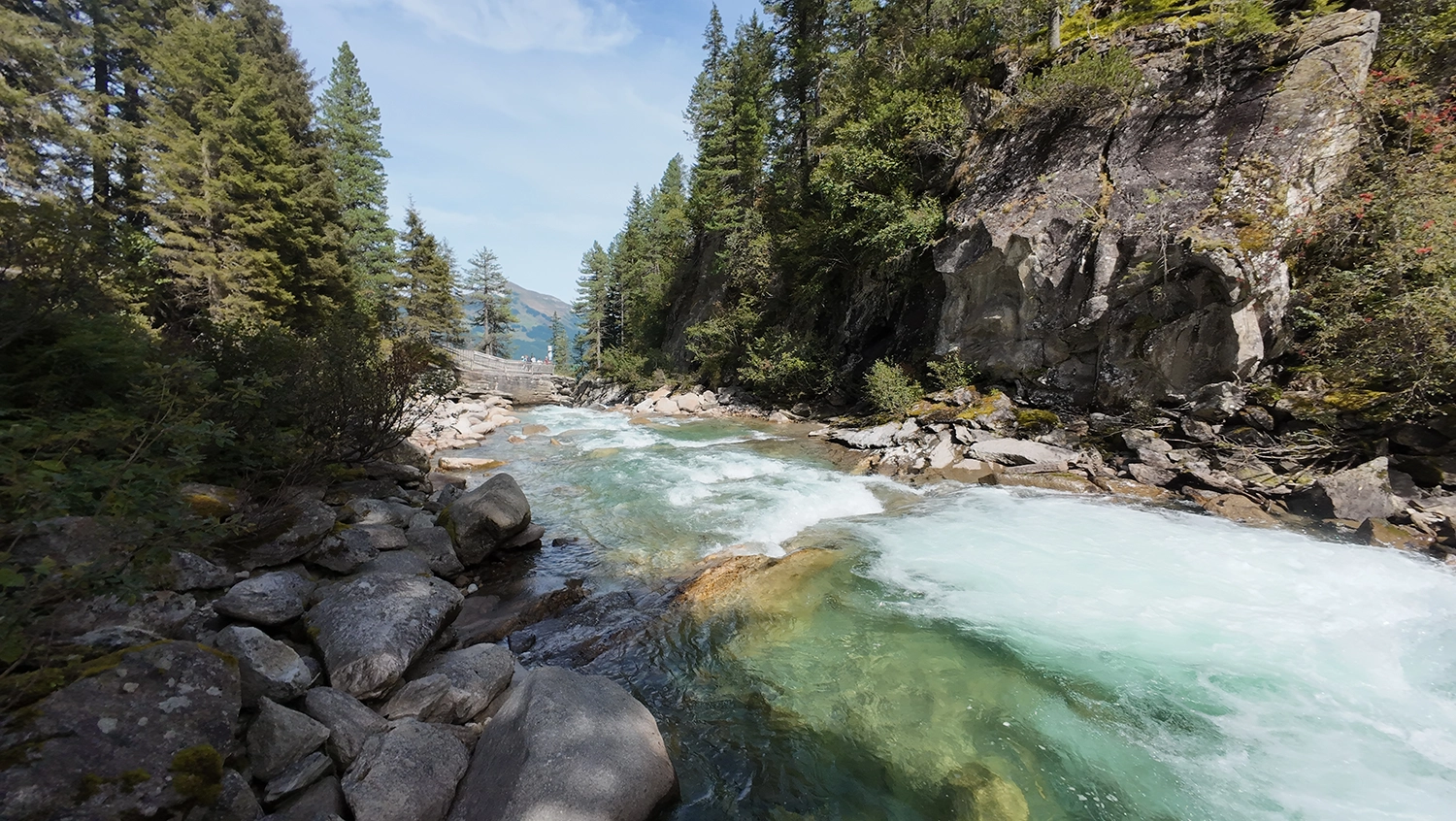
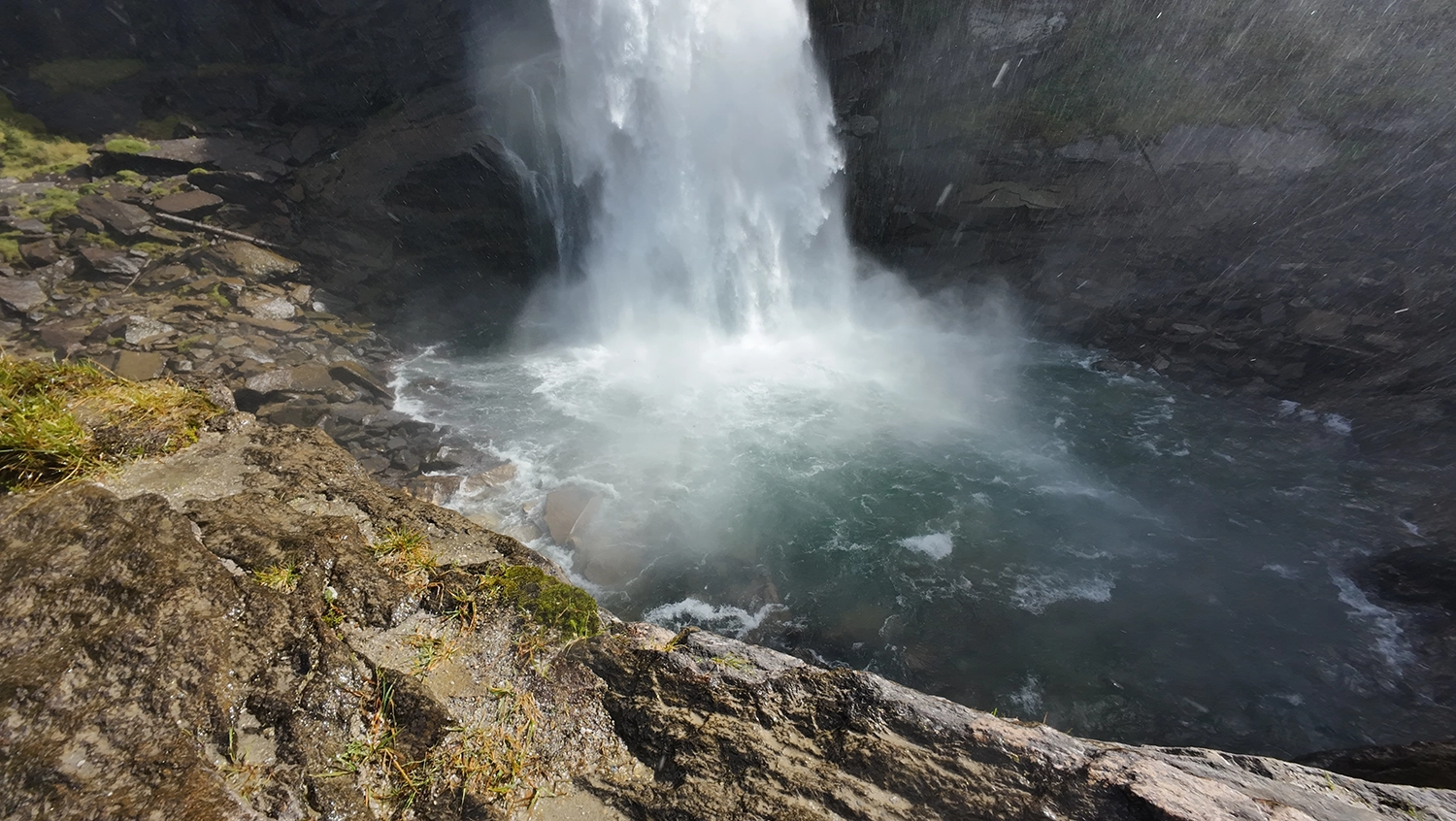
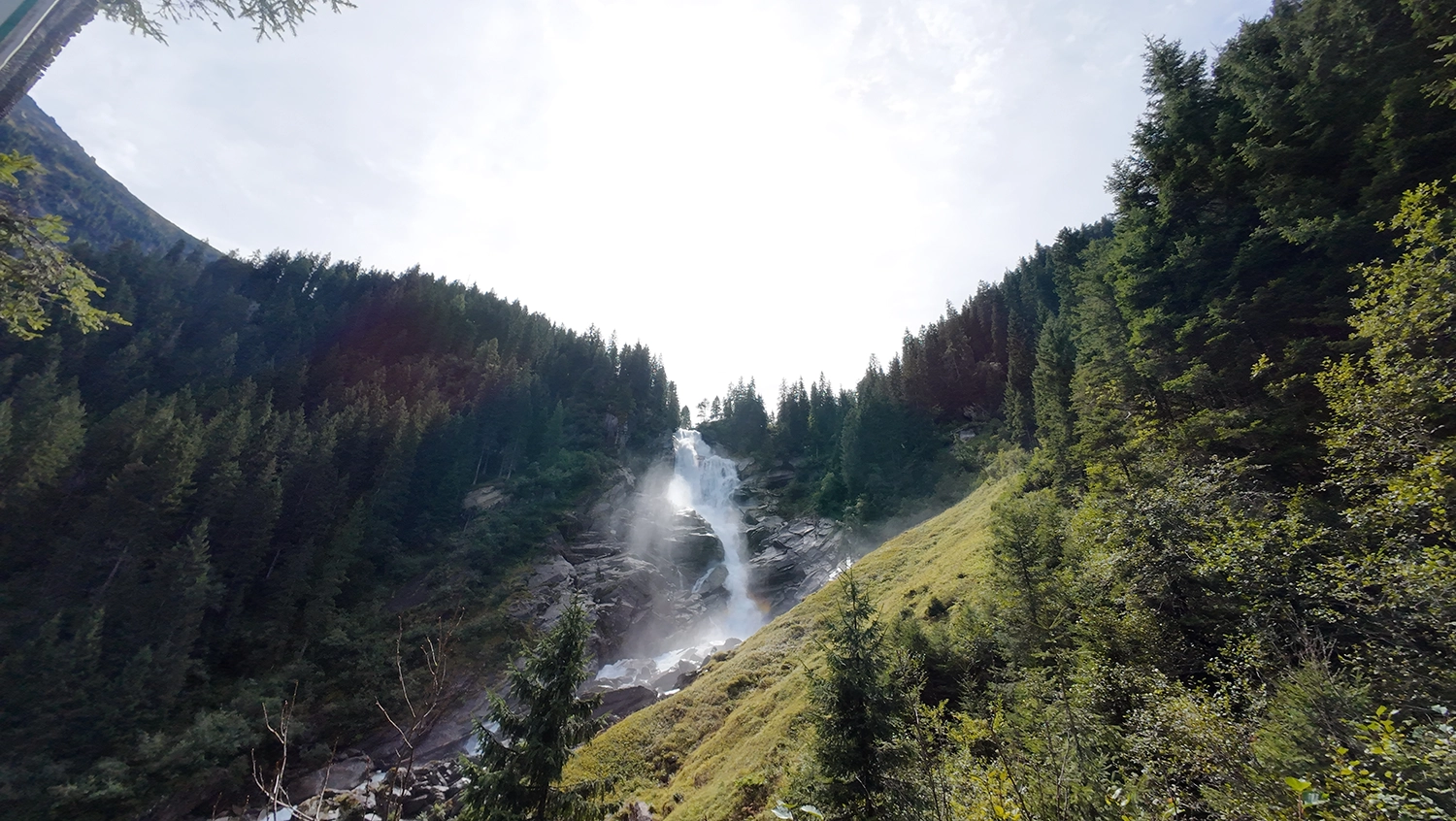
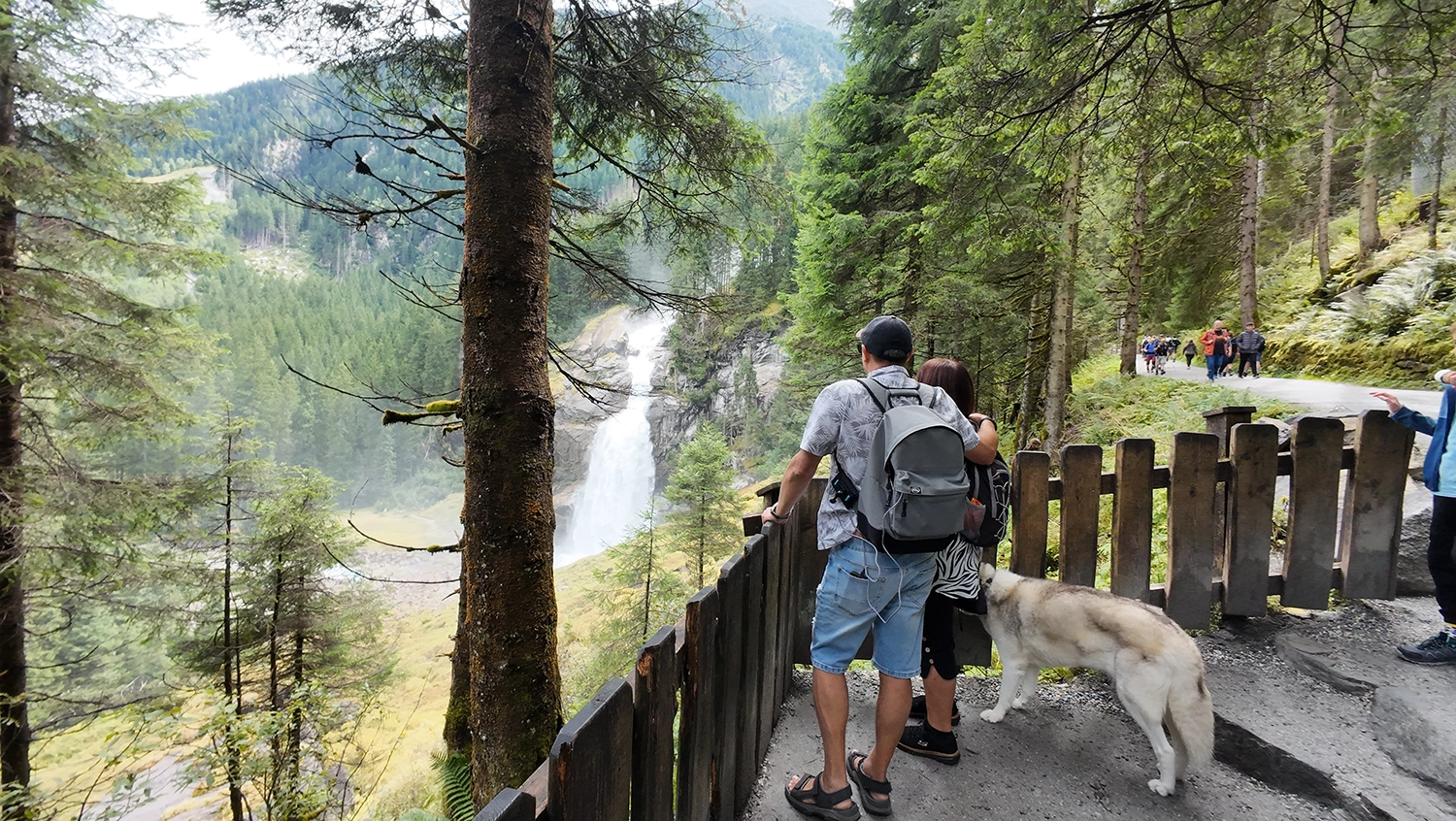
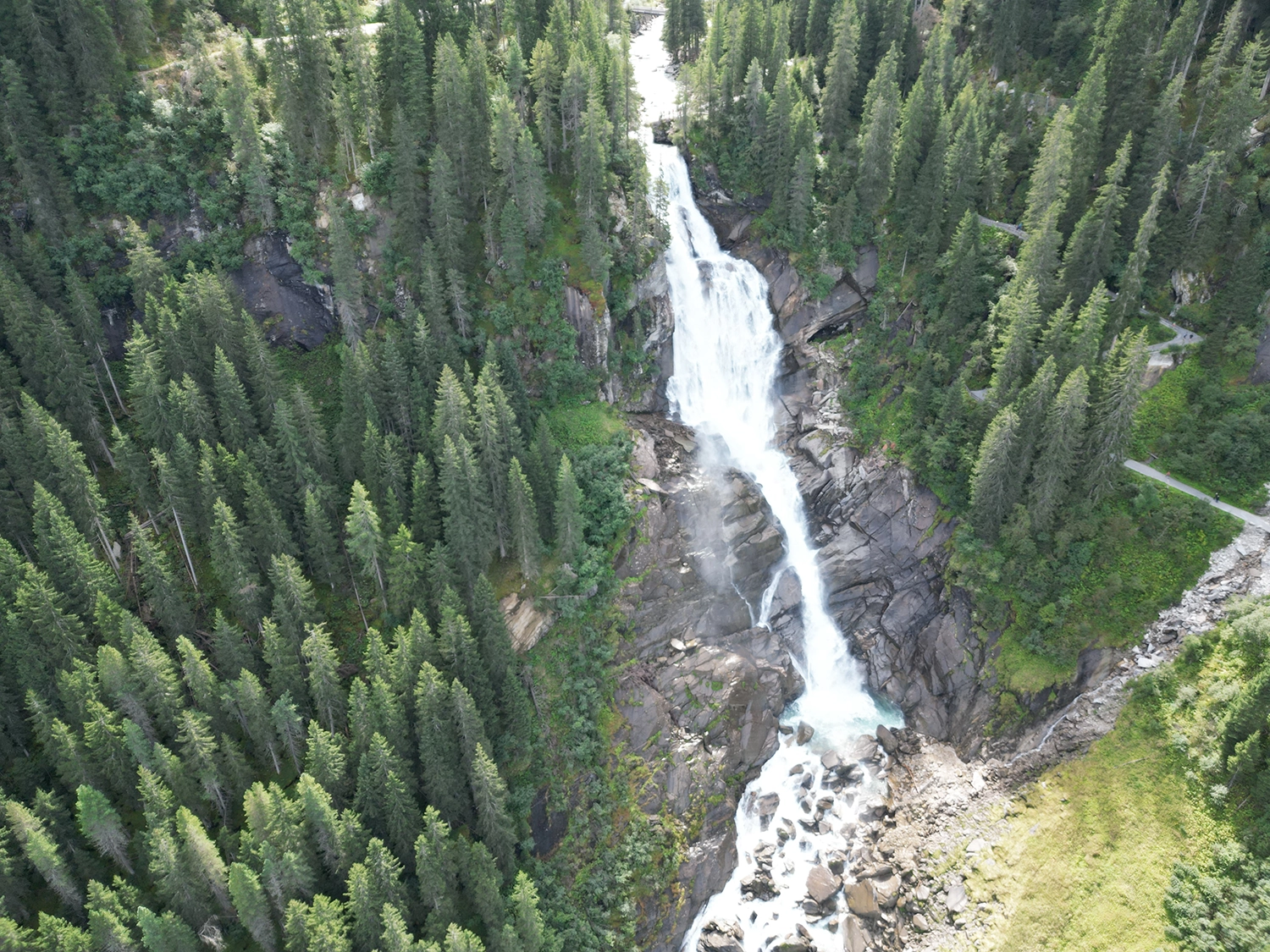
At a total height of 380 meters, Krimmler Falls is the tallest waterfall in Austria and one of the highest in Europe. The falls are made up of three impressive tiers, and the thunderous sound of the rushing water can be heard long before you reach them.
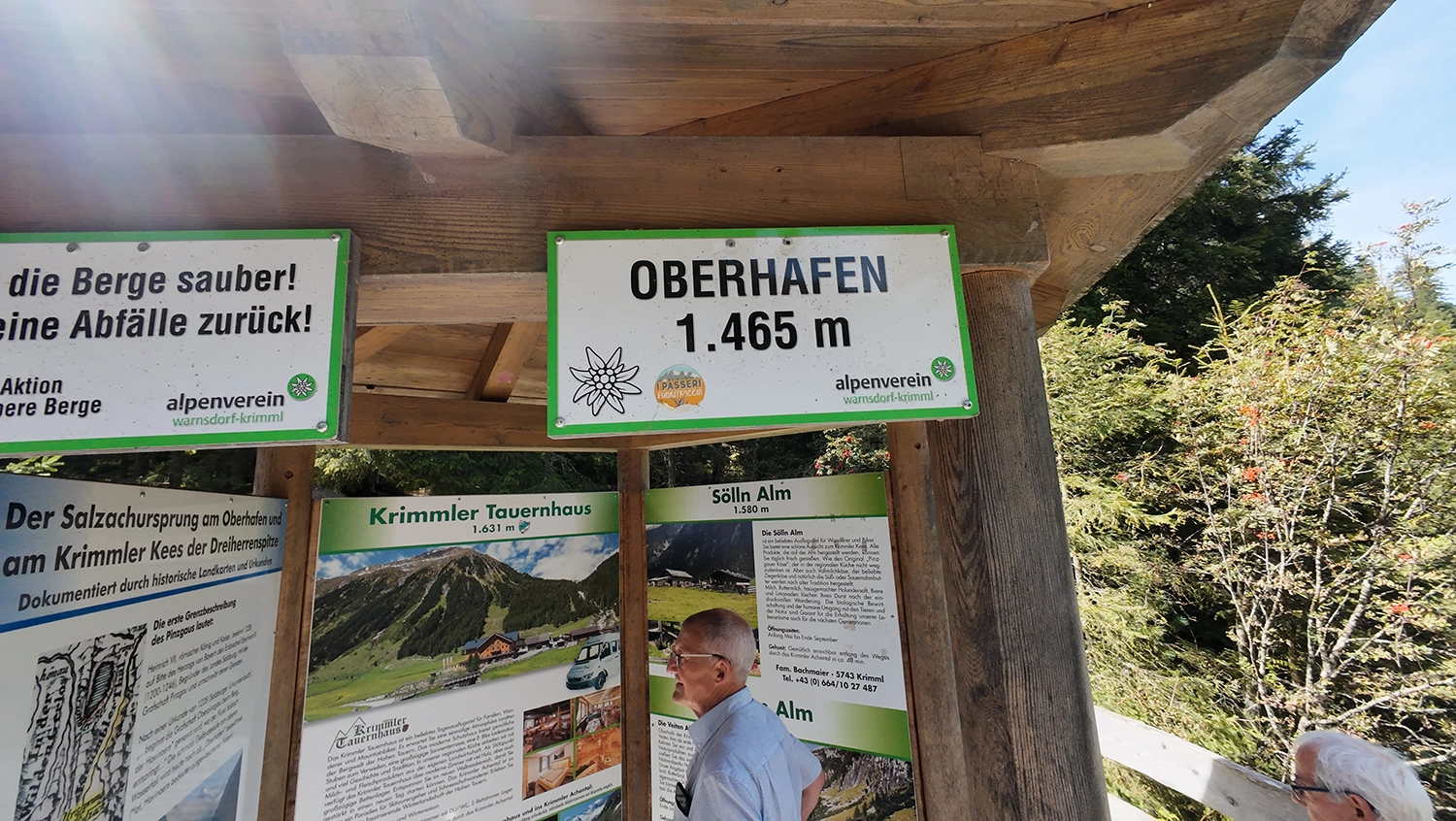
The walk to the top is a fair climb and certainly not for the faint-hearted. The full round trip is about 7 miles and can easily take 4 hours to complete. Along the way, there are several marked viewpoints that allow you to pause, catch your breath, and enjoy spectacular photo opportunities of the cascading water and surrounding alpine scenery. For those who prefer a shorter stroll, the lower viewpoints still provide a dramatic impression of the falls without the long hike.
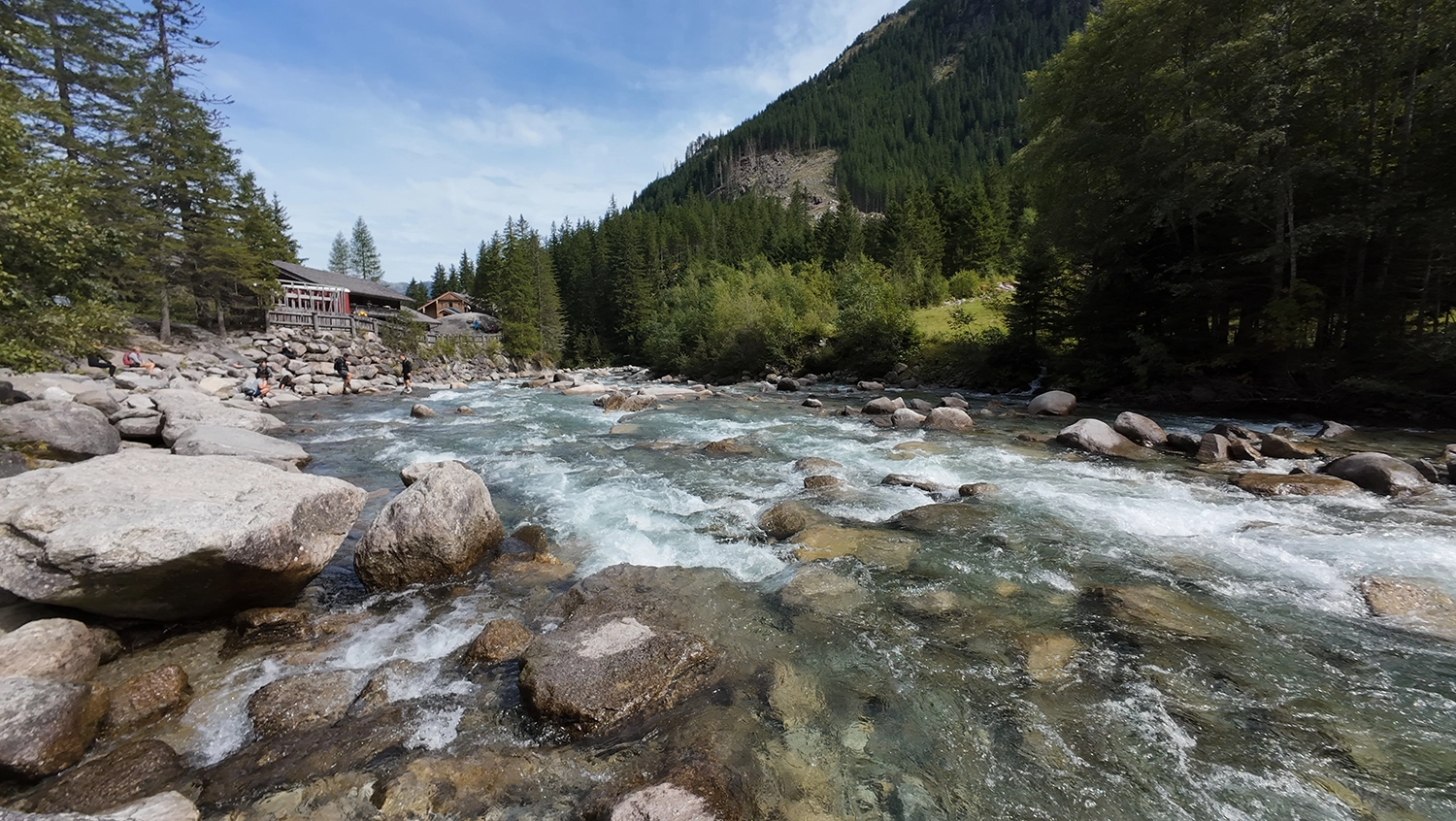
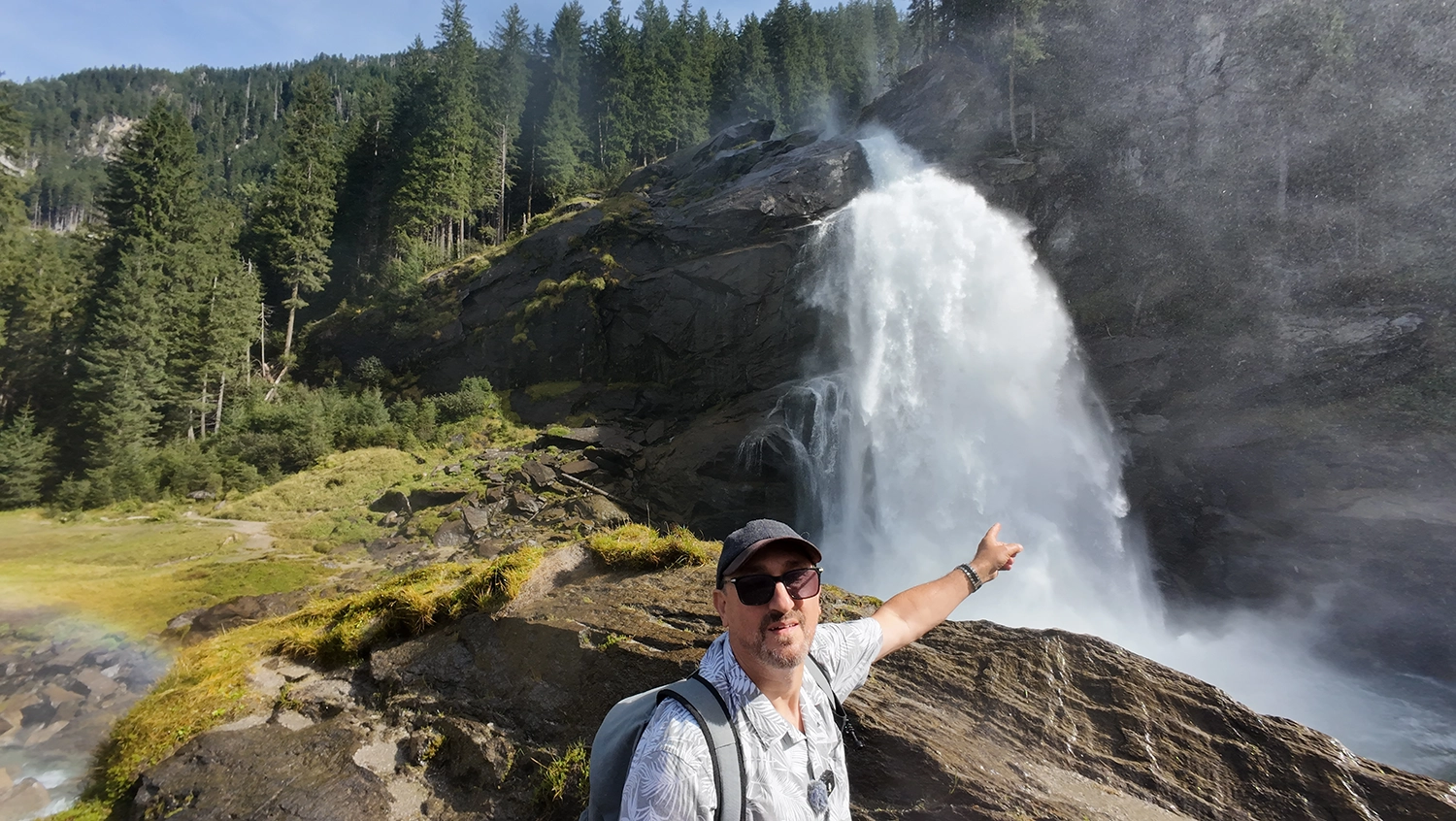
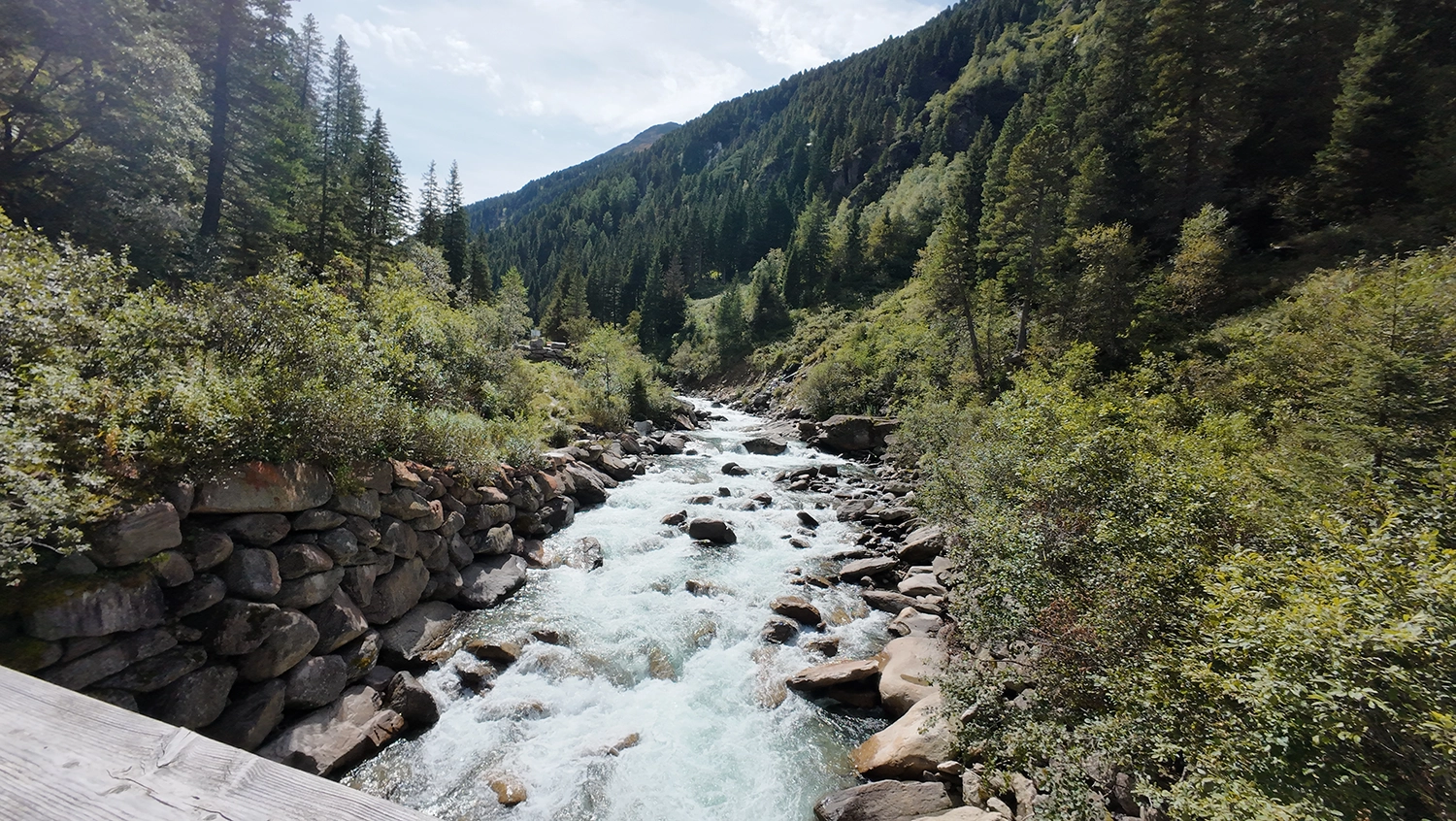
During summer, the sheer volume of water is awe-inspiring, as glacial melt feeds the Krimmler Ache river. The spray from the falls is incredibly refreshing on a warm day, though waterproof clothing is recommended if you’re planning to get close.
★★★★★ · One of Austria’s great natural stops
Krimml feels like the kind of stop that instantly justifies the journey. The scale of the waterfall, the mountain setting and the sense of fresh air and movement make it ideal for a motorhome itinerary that mixes scenery with memorable walks.
If we were building an Austria route around standout natural highlights, this would be near the top of the list. It works especially well as a stop where you can slow down, stay nearby and enjoy the area properly rather than treating it as a quick photo stop.
Where we would stay
Camping Krimmler Wasserfälle
Campsite review: A well-positioned campsite close enough to reach the falls easily, with a calm setting and enough space to make it feel like a proper base rather than just an overnight stop.
- Location: Excellent for waterfall access
- Views: Strong mountain backdrop
- Motorhome access: Good, but approach roads should be checked in advance
- Dog friendly: Very good for longer walks
- Would we stay again? Yes
Nearby attractions
- Waterfall walking routes and viewpoints
- Scenic mountain roads through the Hohe Tauern region
- Photography stops for dramatic valley and river views
The best campsite – Camping Krimmler Wasserfälle
We spent one night at Camping Krimmler Wasserfälle, a simple but perfectly located campsite just down the road from the base of the falls. From the site, it’s only a 10-minute walk to the entrance, and staying here includes the added bonus of free tickets to access the waterfalls.
The campsite itself is fairly basic but convenient. You’ll find water and electric hook-ups on site, while showers are available at an extra cost and accessed through the hotel next door, with which the campsite shares its parking. The hotel also has an excellent restaurant, which is a great option if you don’t feel like cooking after a day of exploring. We did call in advance which would always be recommended to avoid disappointment, but generally they have space and a pretty relaxed way of dealing with things. You need to go to the hotel reception to make your booking. you can eat at the hotel and use the toilet facilities but showers you pay extra for.
Top Tips When Visiting
- Start early in the morning to avoid the crowds, as Krimmler Falls is one of Austria’s most popular natural attractions.
- Wear sturdy shoes, as the path is steep and can be slippery in places.
- Allow extra time if you plan to walk the full route—it’s a proper hike rather than a quick stroll.
- Dogs are welcome on the trail, but keep in mind the climb can be challenging for them too.
Visiting Krimmler Falls is a truly unforgettable experience, and staying at Camping Krimmler Wasserfälle makes it easy and convenient to enjoy this natural wonder right on your doorstep.
Quick guide
- Stay: 1–2 nights
- Best for: Nature, walking, photography
- Dog friendly: Excellent
- Booking: Recommended in peak season
- Motorhome rating: ★★★★★
Tips – links
Tip: Can be a long walk to the top, plan for a full day with rest breaks.
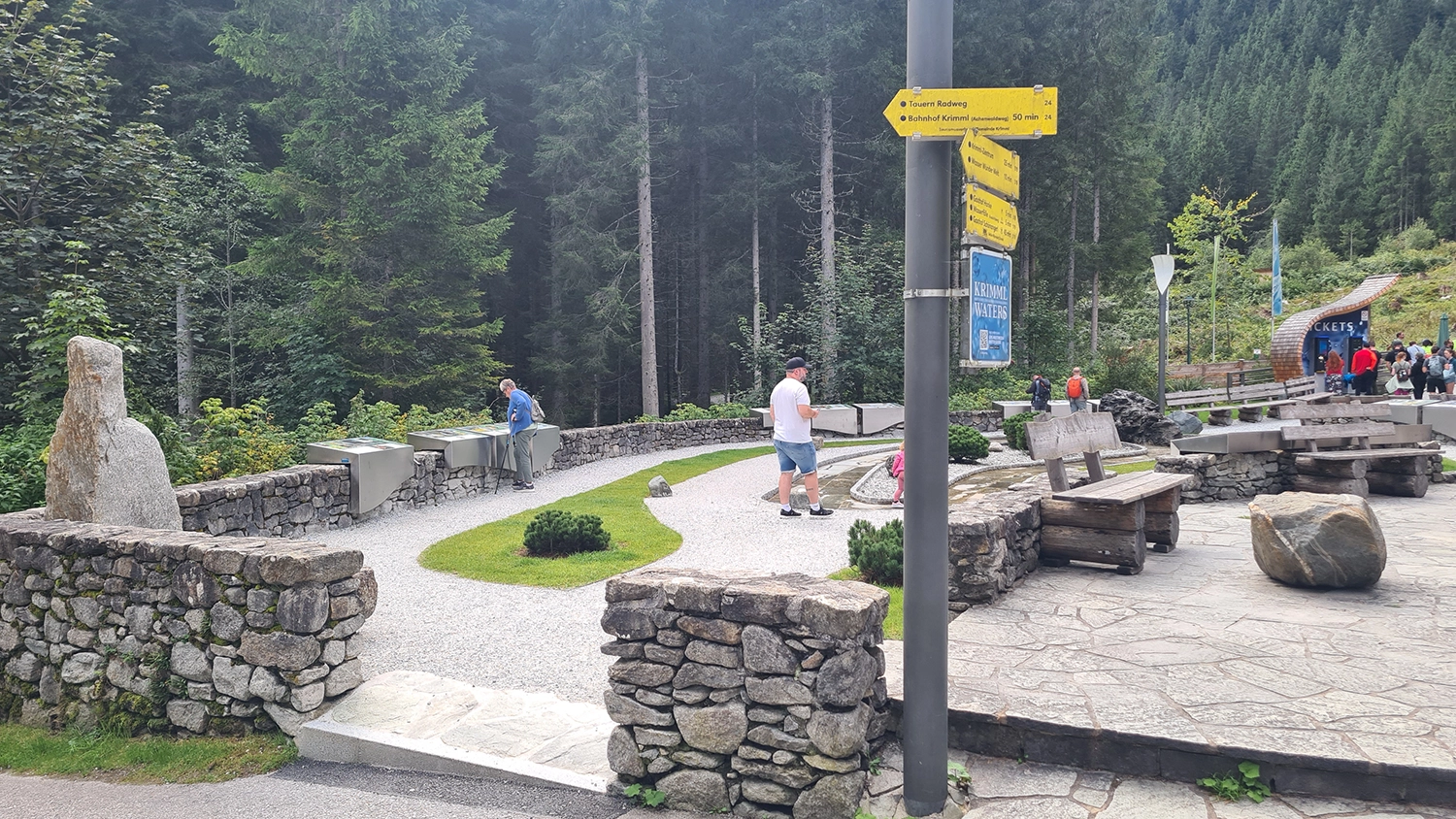
Salzburg
★★★★★ · Elegant, scenic and easy to pair with a wider route
Salzburg brings a different energy to an Austria motorhome trip. After mountain scenery and outdoor stops, it adds architecture, riverside walks and a city atmosphere that still feels manageable when approached the right way.
About Salzburg
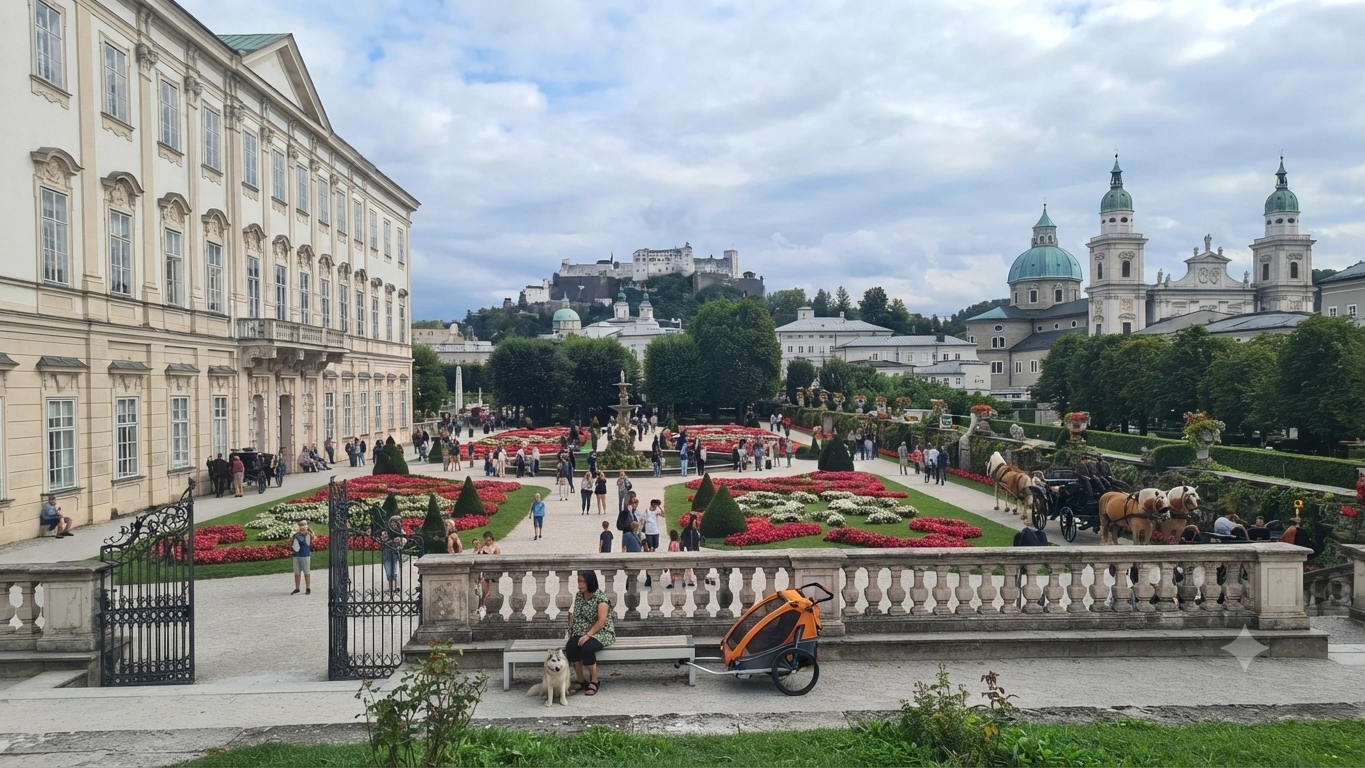
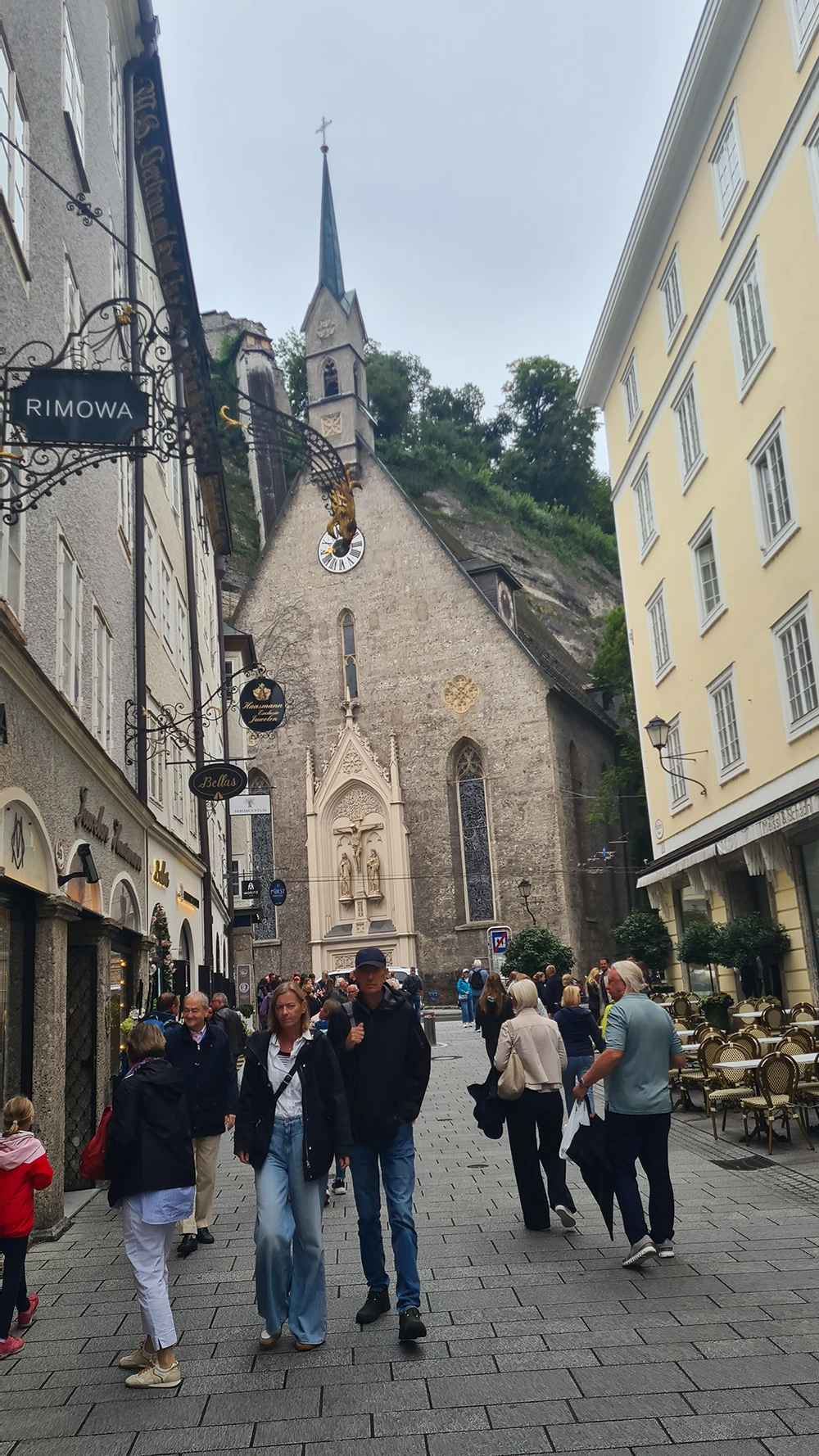
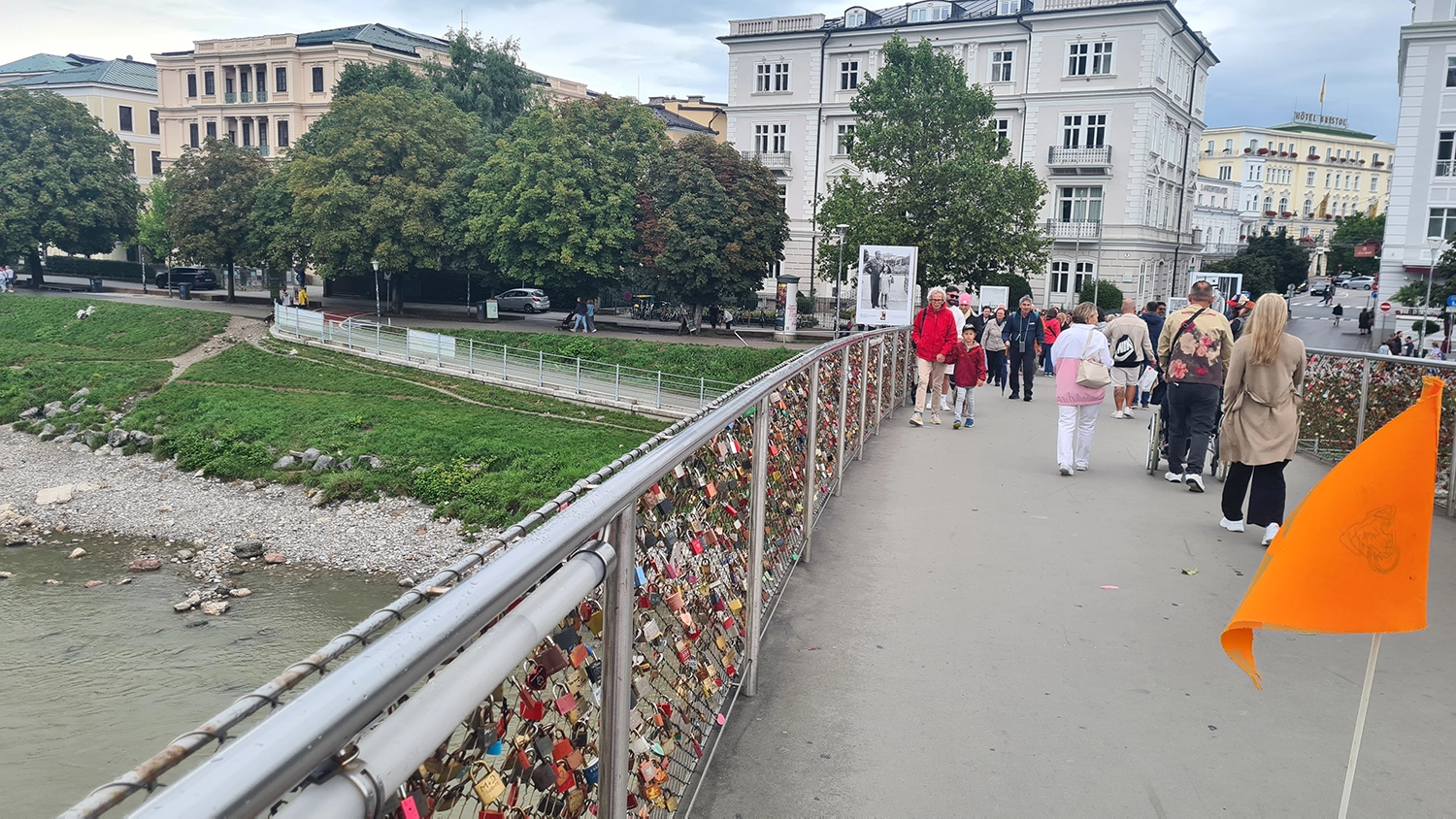
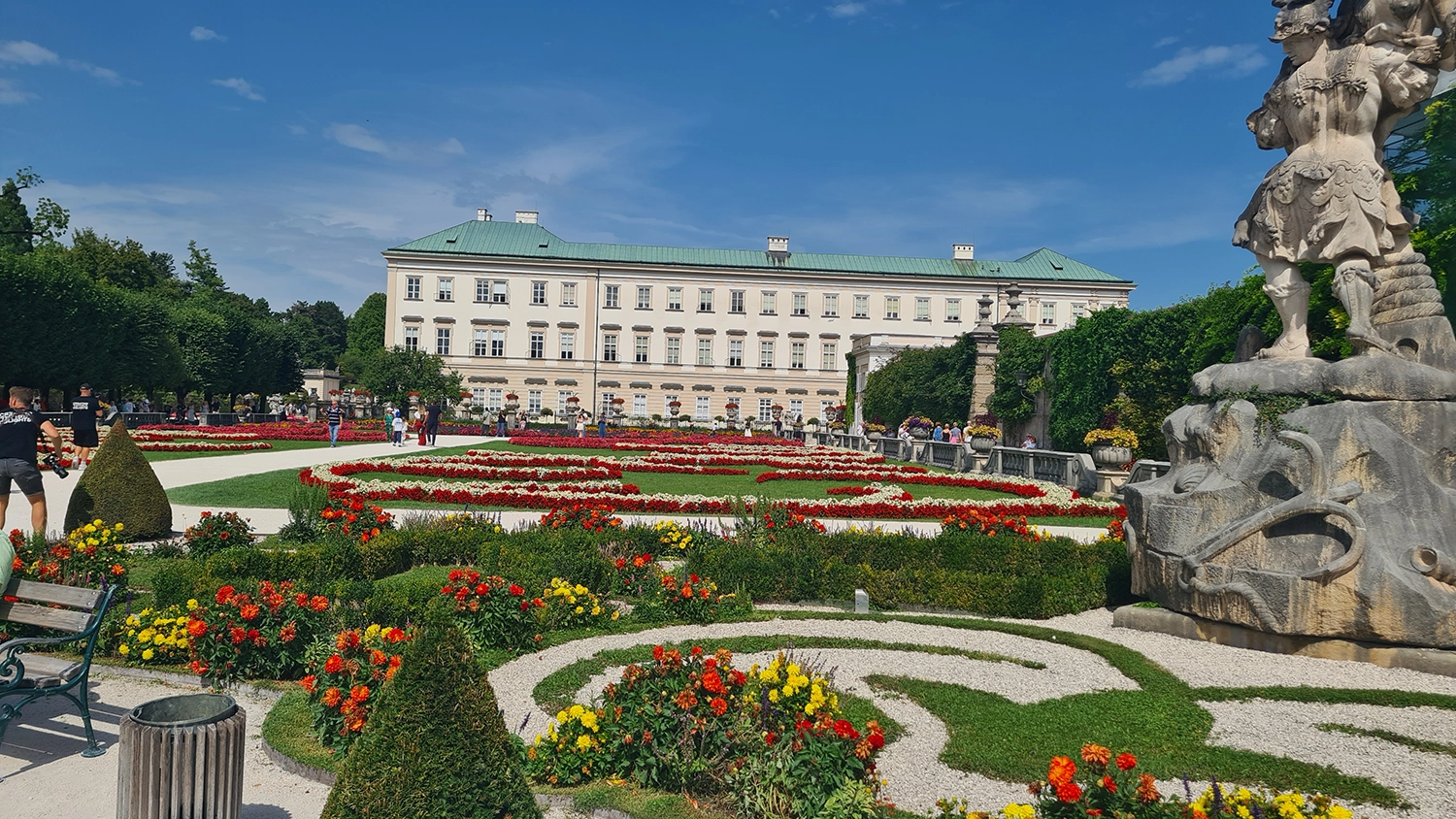
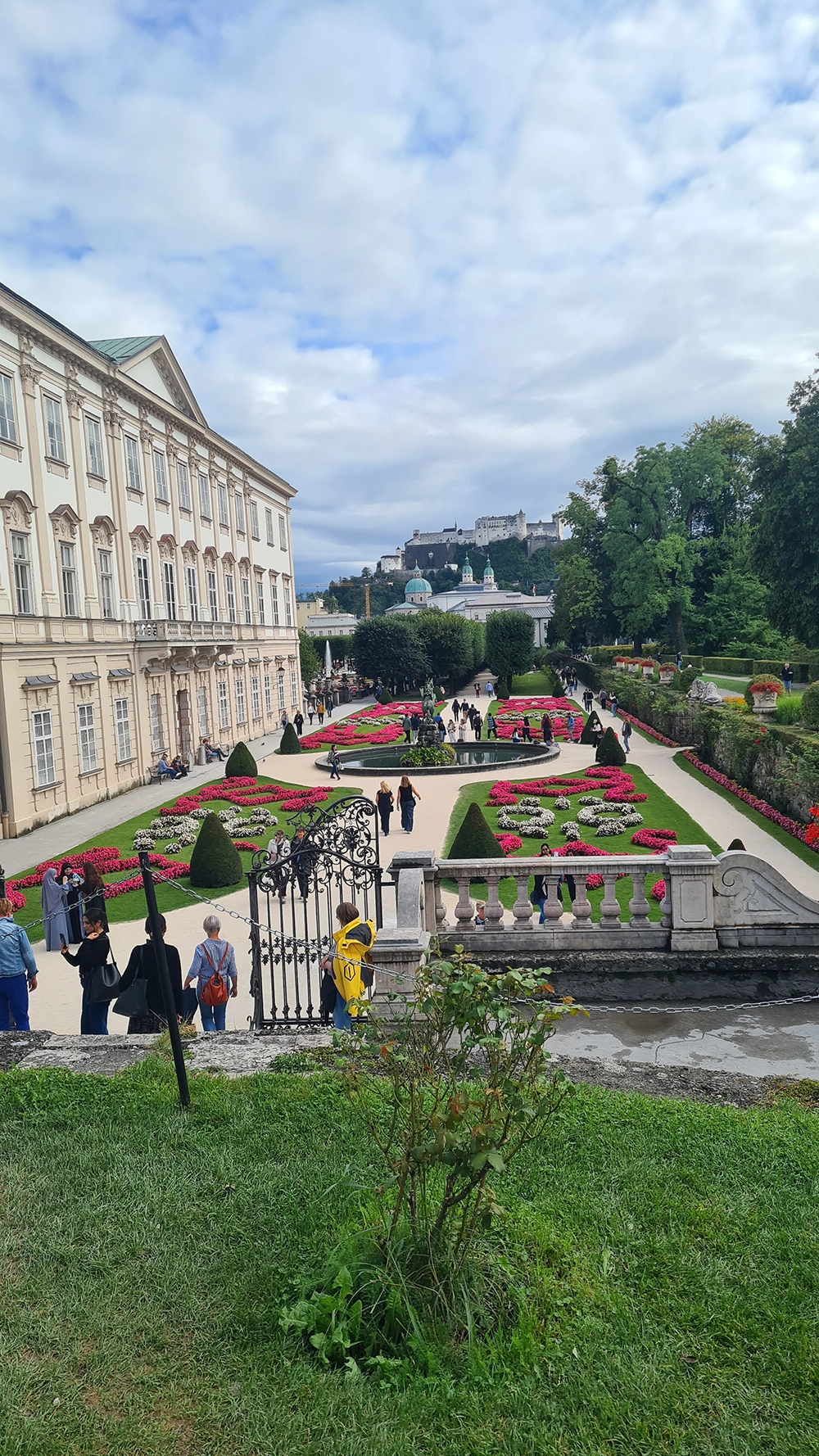
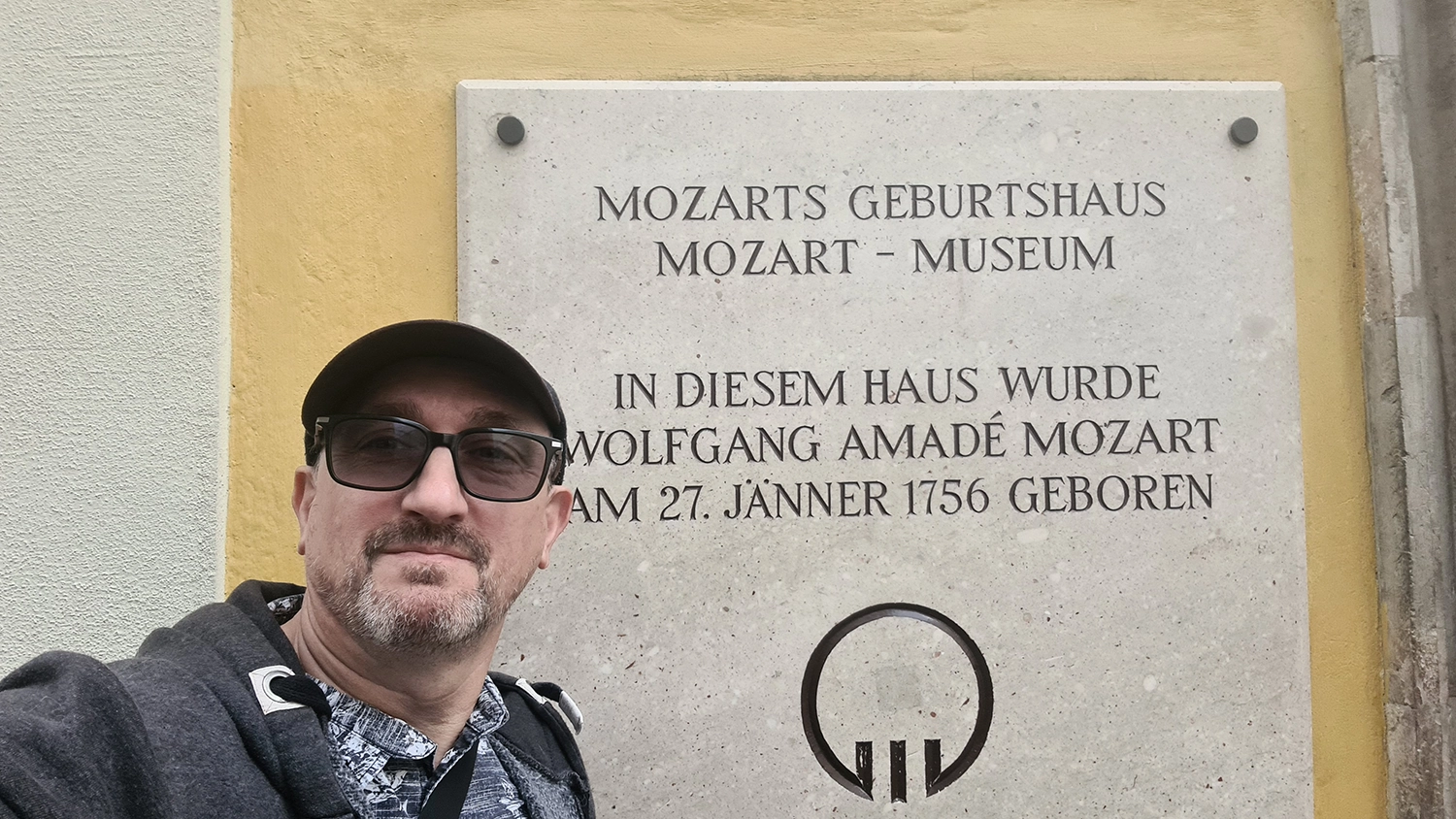
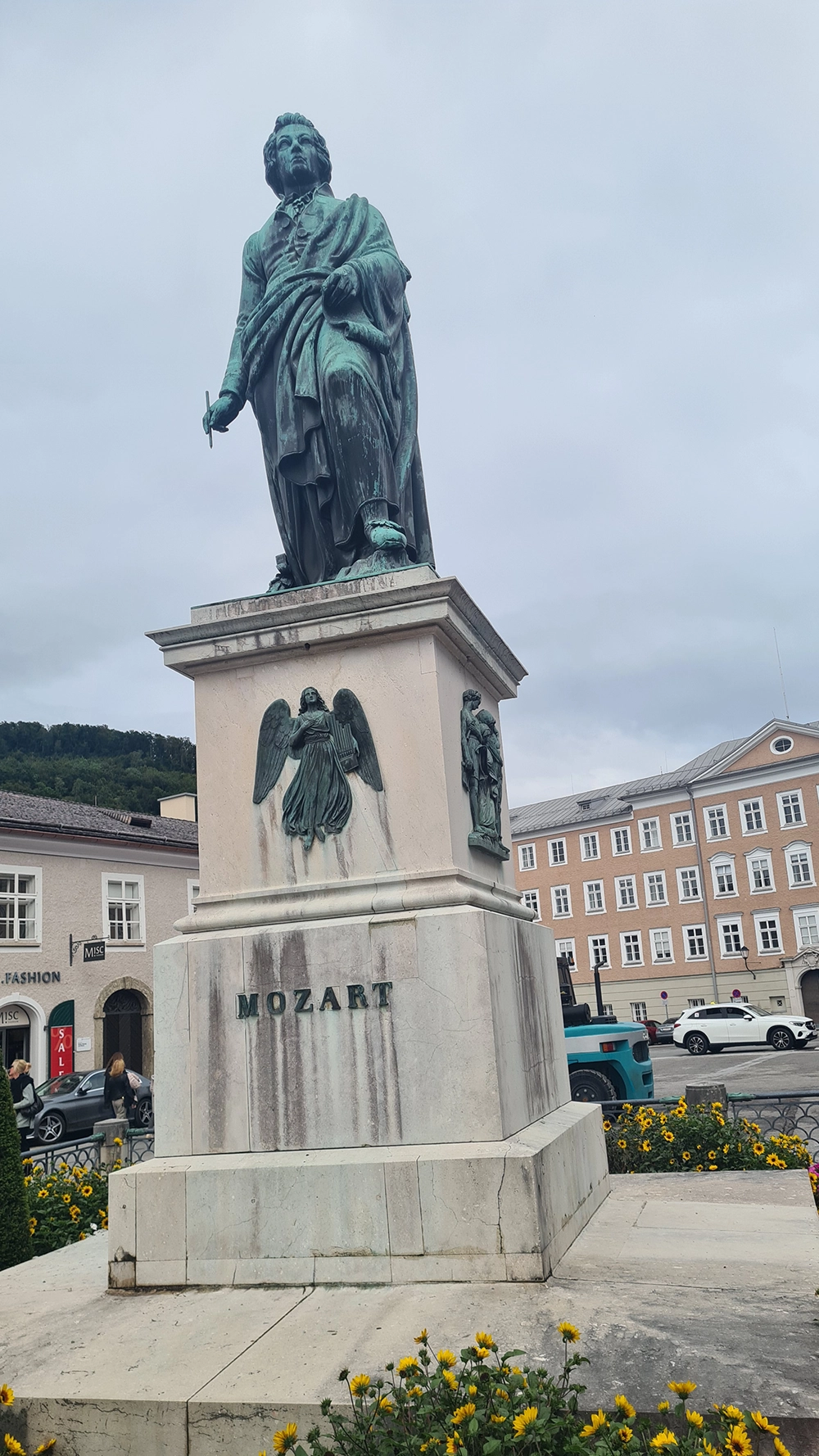
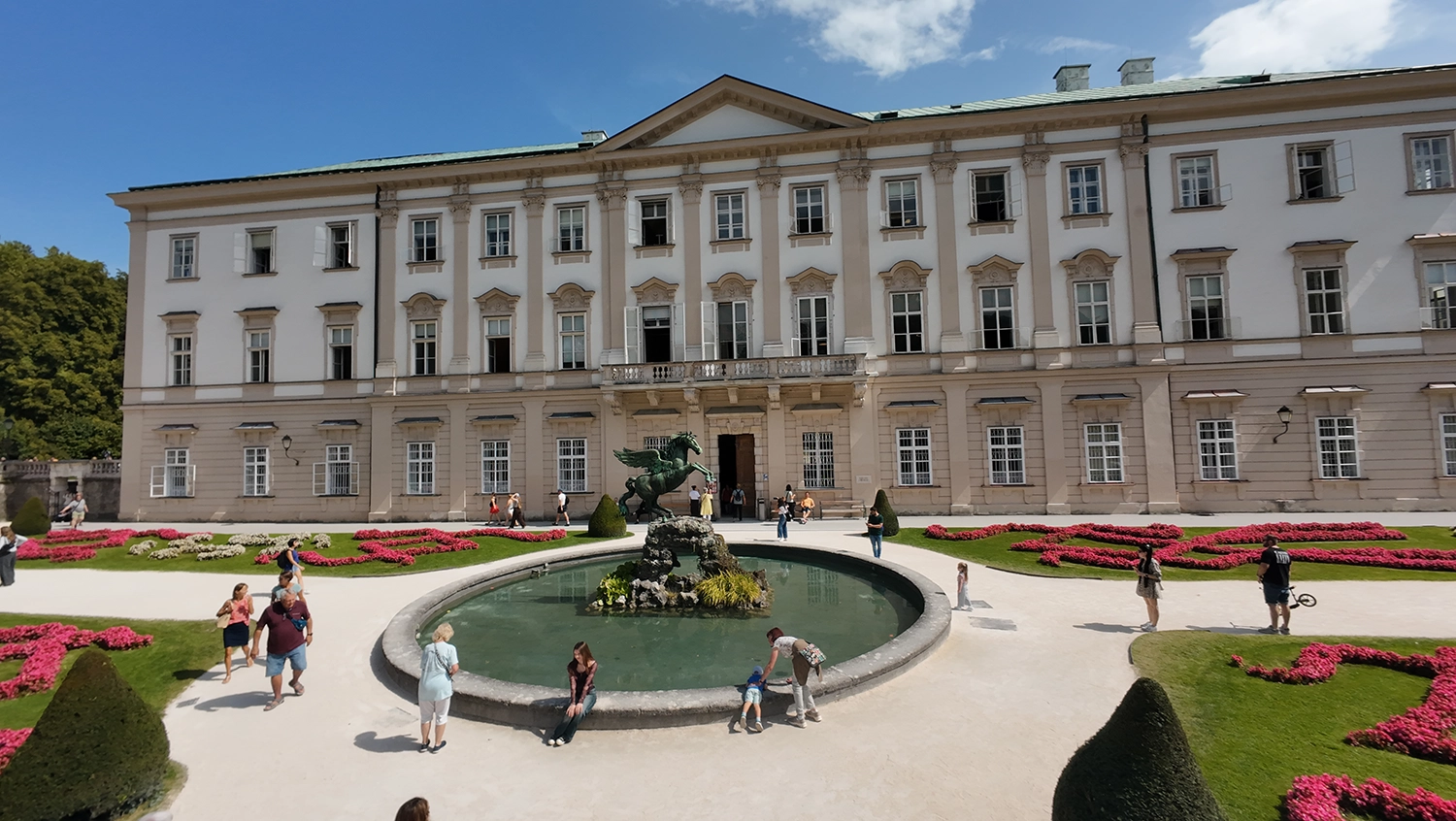
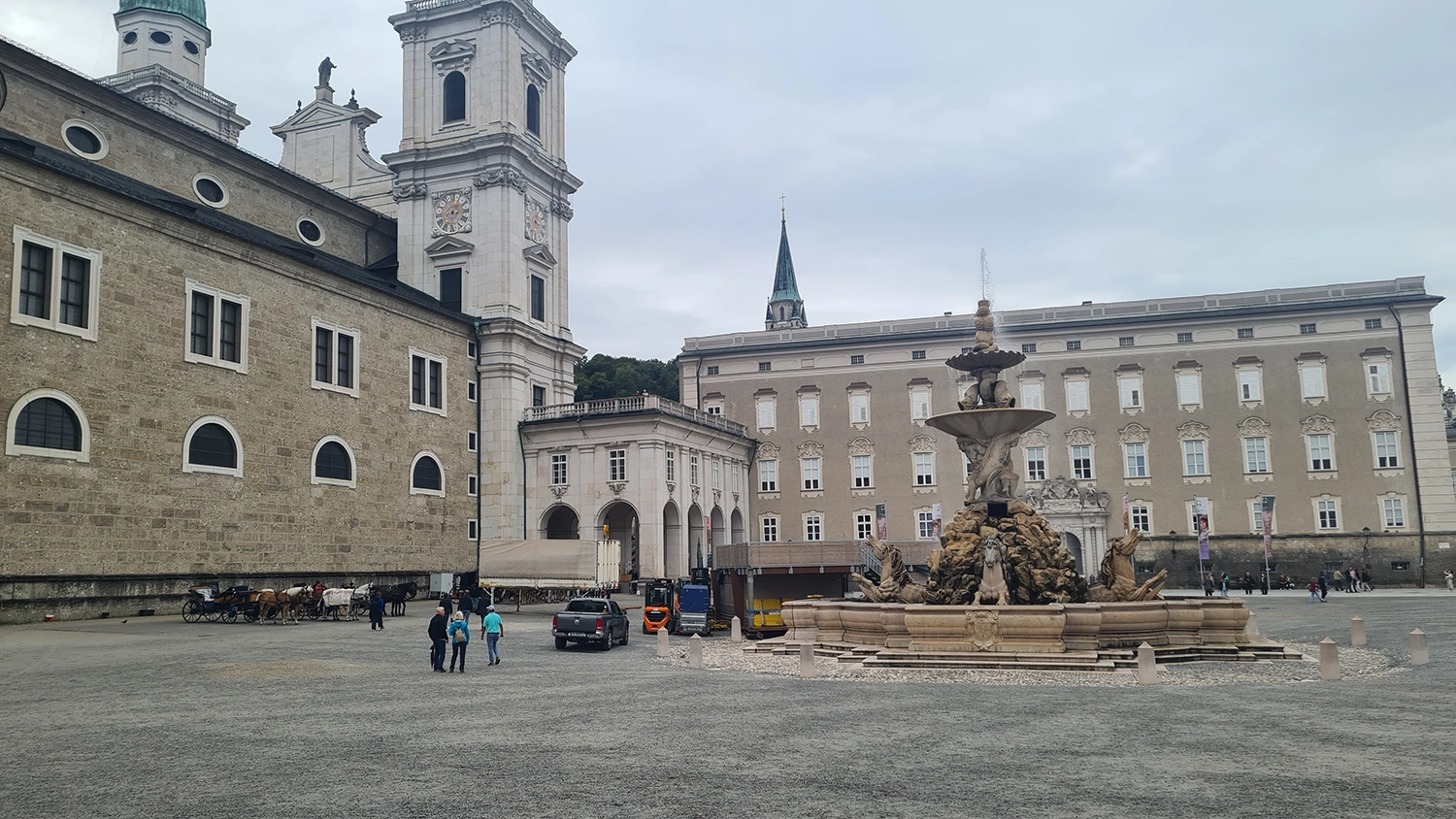
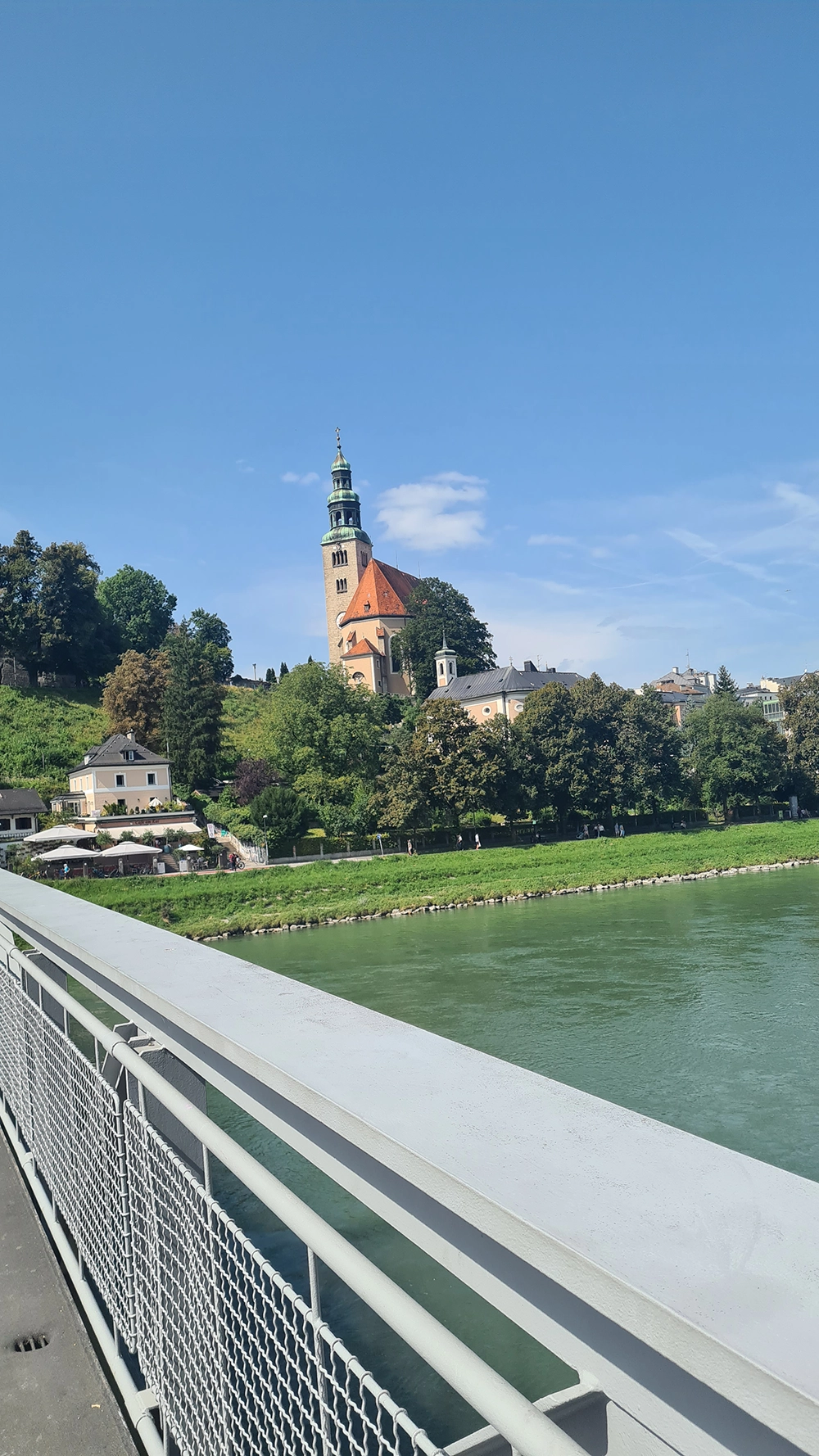
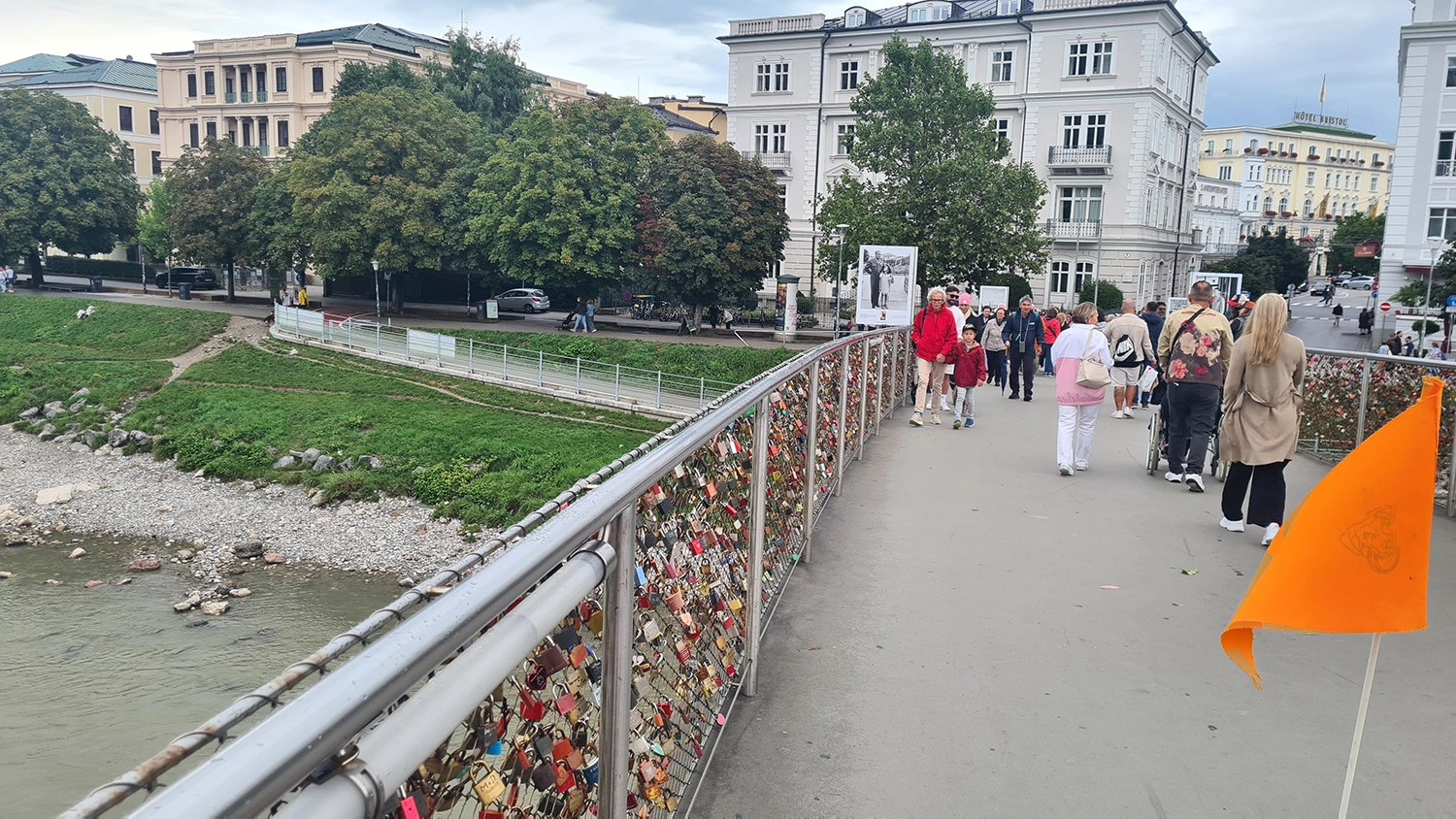
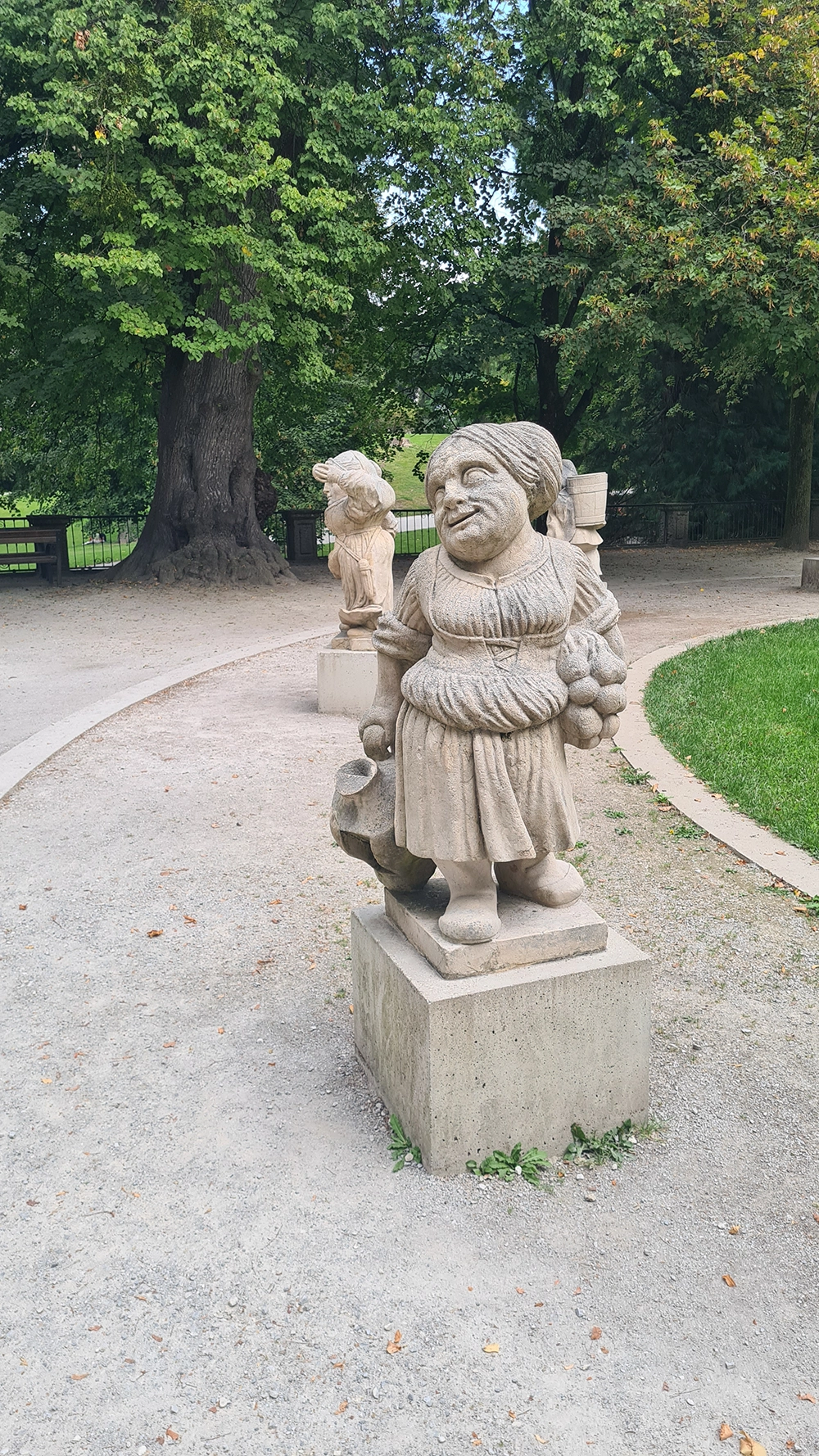
Salzburg is a beautiful city known for its history, stunning architecture and musical heritage. Explore the charming Old Town, visit the impressive Hohensalzburg Fortress, wander through Mirabell Gardens, and see Mozart’s birthplace. With so much to discover, it’s a city that’s well worth spending a few days exploring.
Where we would stay
Camping Nord Sam
Campsite review: Camping Nord-Sam is a well-located campsite with friendly staff and the option to choose your own pitch. The facilities are adequate but a little dated, and the 8-amp electric supply can be limiting. Its biggest advantage is the excellent location, just a 15-minute cycle from Salzburg.
- Best base: Campsite with public transport or cycle access
- Facilities: Important here because city stops often mean longer days out
- Dog friendly: Good for riverside and green-space walks
- Would we return? Yes, especially as part of a longer Alpine loop
Nearby attractions
- Hohensalzburg Fortress
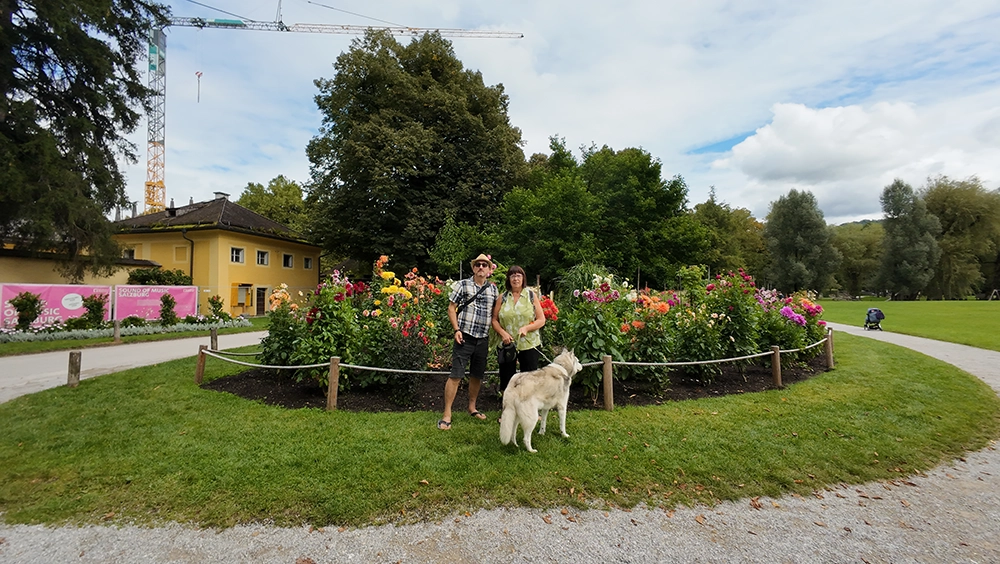
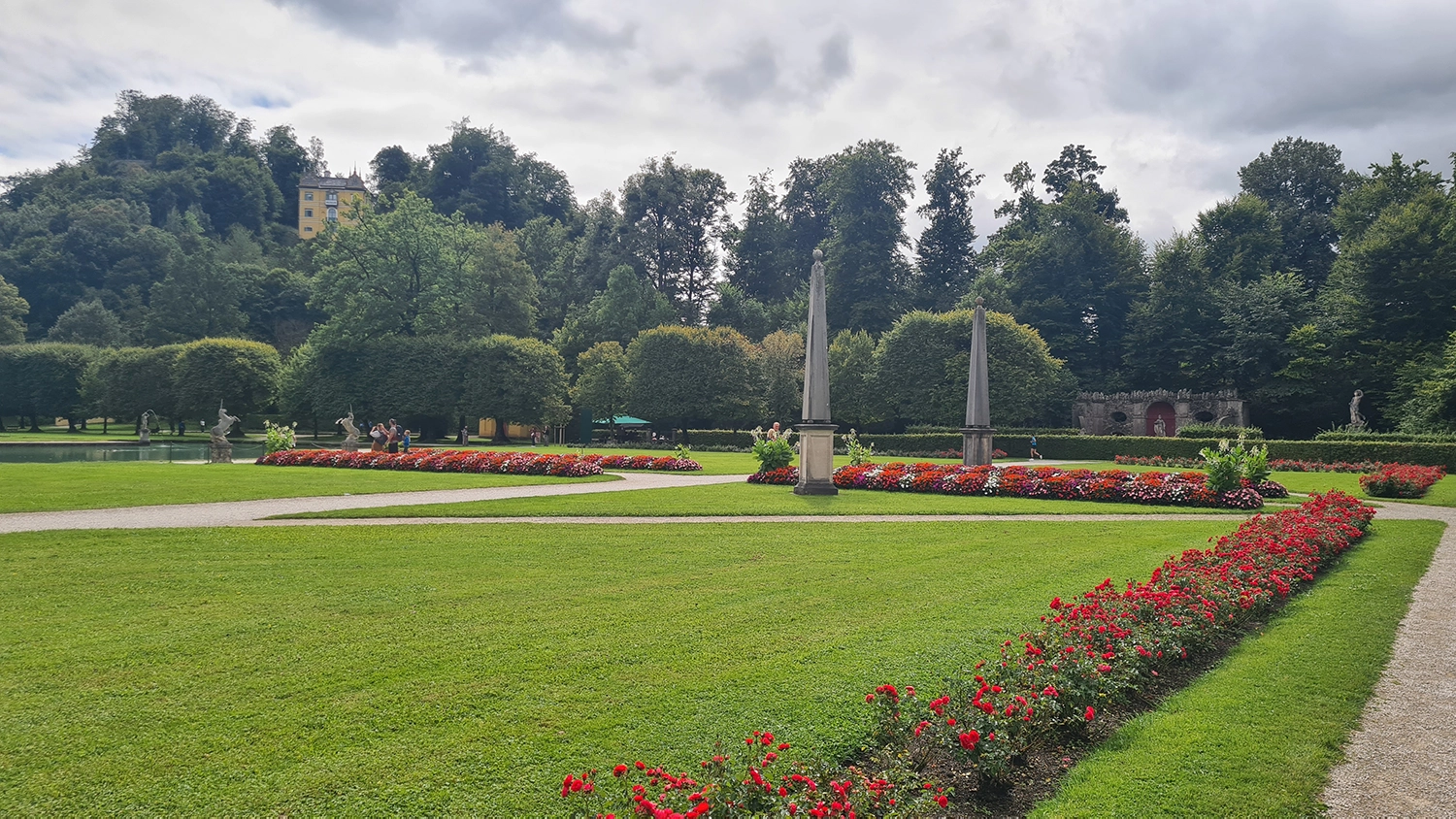
- Schloss Hellbrunn Garden
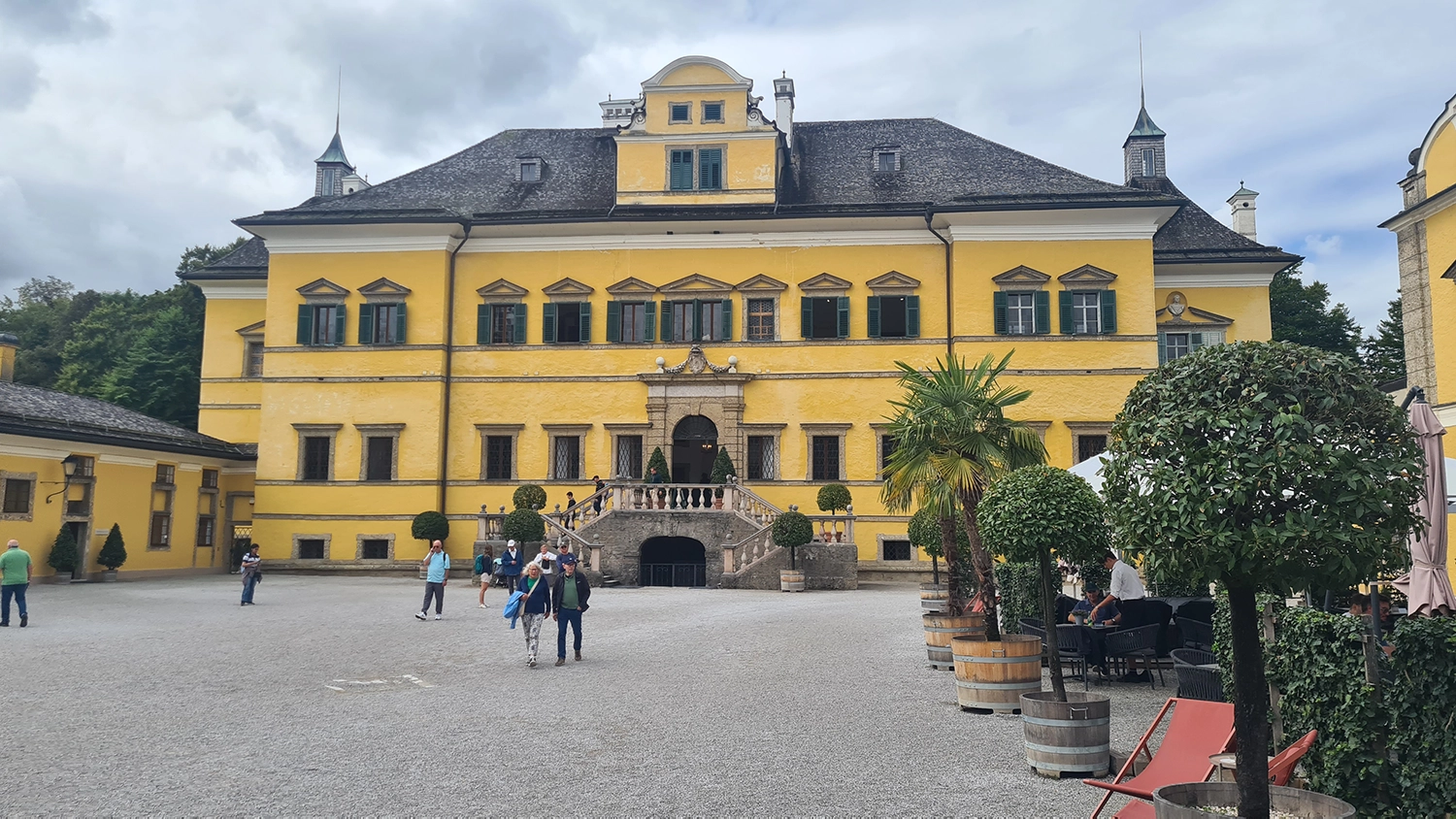
- Schloss Hellbrunn
- The Sound of Music Pavilion
- Volksgarten
- Mirabellgarte
- Fortress Hohensalzburg
- Mirabell Palace
- Mozart’s Birthplace
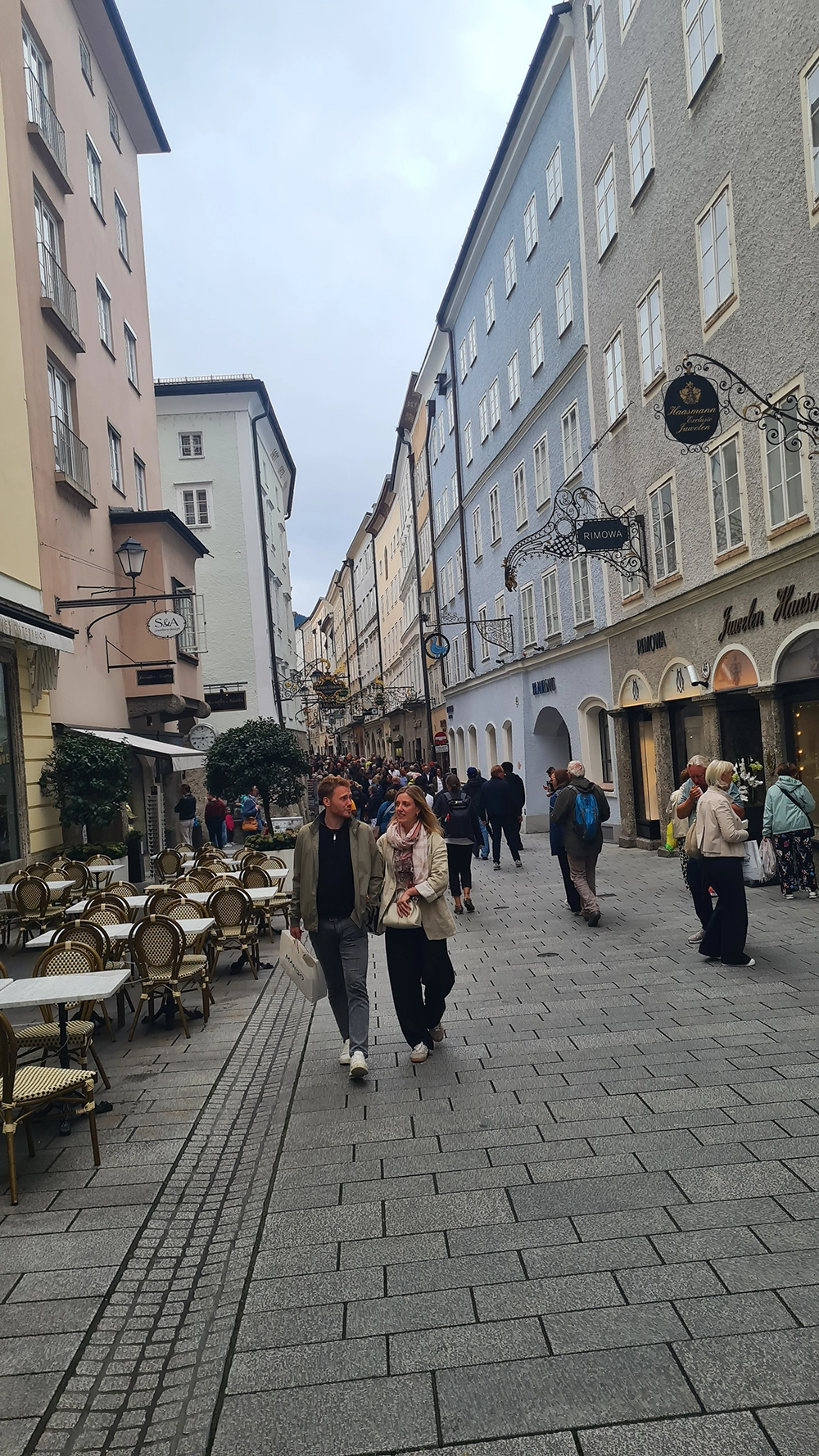
- Getreidegasse Street
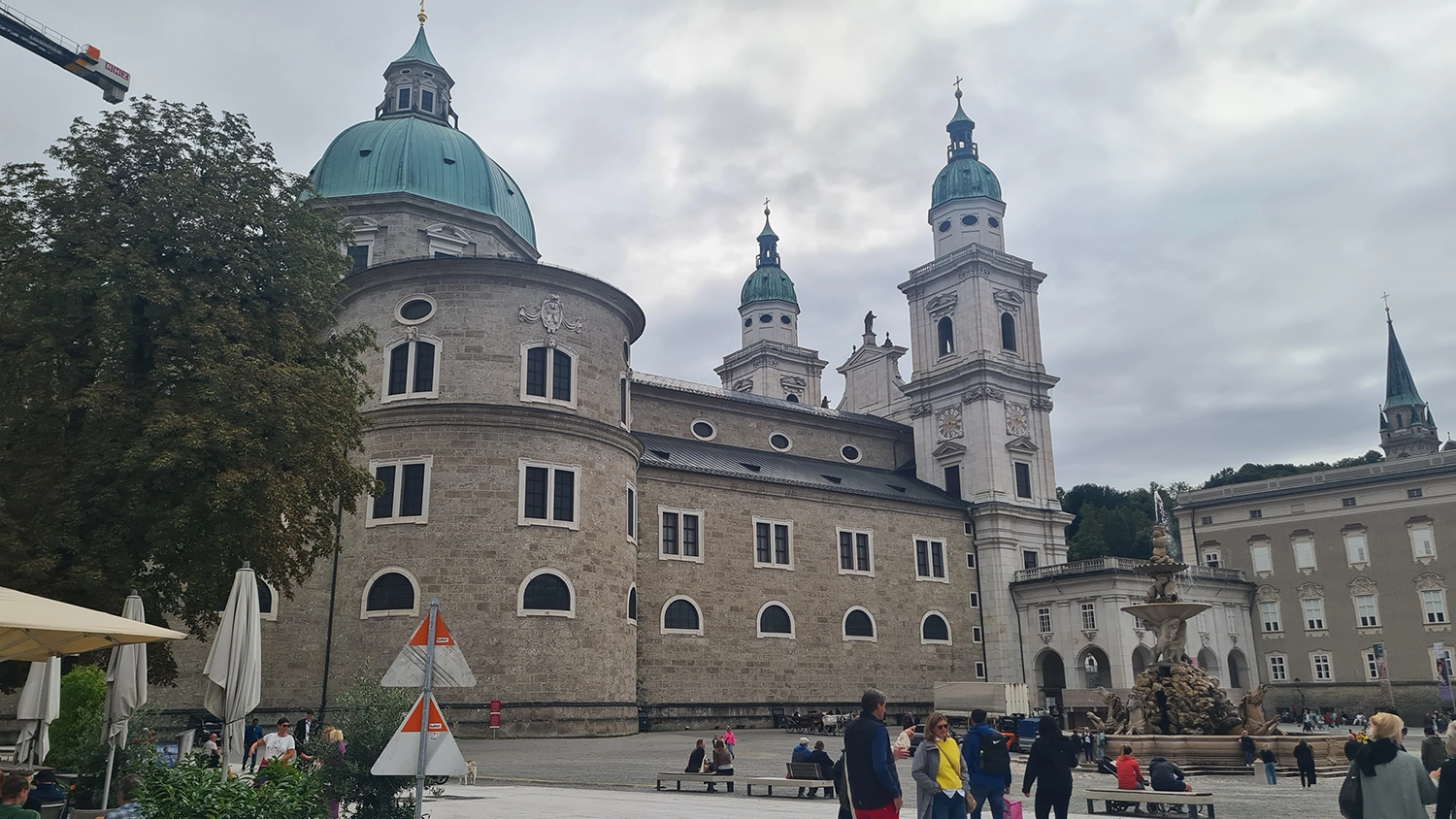
- Salzburg Cathedral
- Old Town streets and squares
The best campsite – Camping Nord Sam
We stayed at Camping Nord-Sam for 4 nights and enjoyed our time there. The staff were friendly and helpful, and being able to choose our own pitch was a bonus, even if some were a little uneven. Facilities were fine overall – toilets and showers were warm but could do with some updating, and electricity was limited to 8 amps, so you had to be careful. The best part of this site is definitely the location, with just a 15-minute cycle into Salzburg, making it a great base for exploring.
A well-maintained, four-star city campsite located at Samstraße 22a on the northeastern outskirts of Salzburg, Austria. It offers shaded, partitioned pitches with electricity, an outdoor heated swimming pool, and direct public transit or bike path access into central Salzburg just 3 km away.
Top tips when visiting
- Stay just outside the centre, leave the motorhome parked and enjoy the city on foot or by local transport or in our case take the bikes and dog trailer, personally the best way. That keeps the visit enjoyable and avoids turning a beautiful stop into a stressful driving day.
- If your on your bike, use Google maps to plan am efficient route taking in all your site .
- If you are on your bike, as much as it’s a safe place, don’t forget a sturdy lock to avoid an unpleasant experience.
- Dogs are welcome in most places, but if using public transport try to avoid peak times, your little doggy may get stressed at busy times
The city is a gem not to be missed, give yourself an extra day if possible.
Top places to see – more details
- Hundewiese Stölzl Park, located in Austria, is a peaceful green retreat created for dogs and their owners to enjoy the outdoors together. With wide open spaces and natural surroundings, the park provides a safe haven where dogs can run, play, and socialize freely. More than just a recreational area, it reflects the values of community, care, and connection with nature. Set within a calm and welcoming environment, Hundewiese Stölzl Park has become a cherished destination for locals and visitors alike, offering relaxation, companionship, and joy for both people and their four-legged friends.
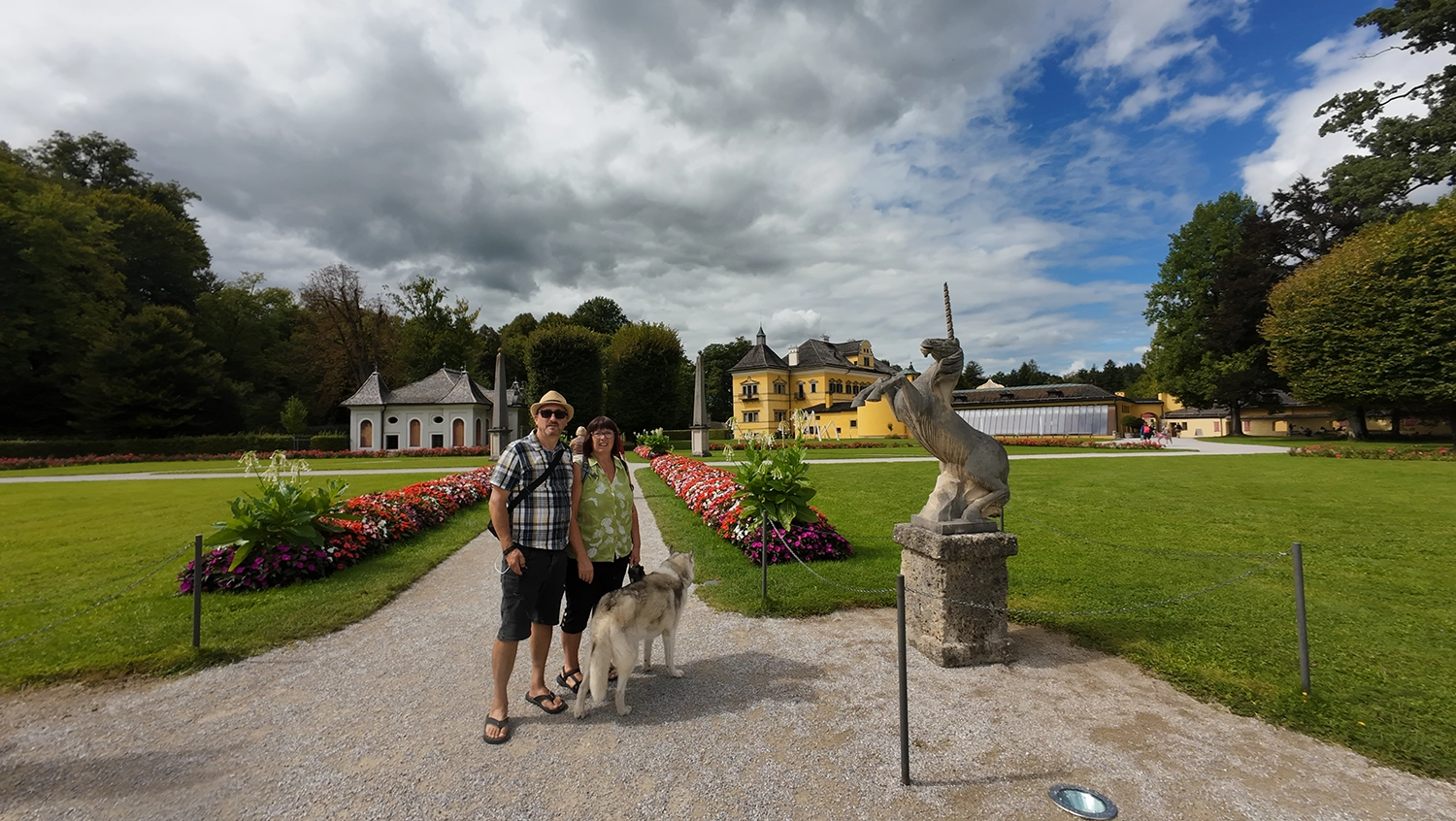
- Schloss Hellbrunn Garden, located in Salzburg, Austria, is a magnificent estate renowned for its playful fountains, elegant architecture, and beautifully landscaped grounds. Created in the early 17th century as a summer retreat for Archbishop Markus Sittikus, the gardens embody a blend of artistry, leisure, and Baroque grandeur. Famous for its trick fountains that delight and surprise visitors, the site symbolizes creativity, joy, and cultural heritage. Set against a backdrop of scenic hills, Schloss Hellbrunn Garden has become one of Salzburg’s most treasured landmarks, inviting guests to explore history, nature, and amusement in perfect harmony.
- Schloss Hellbrunn, located in Salzburg, Austria, is a splendid early Baroque palace built in the 17th century as a summer residence for Archbishop Markus Sittikus. Designed as a place of leisure and entertainment, the palace is renowned for its whimsical trick fountains, ornate halls, and enchanting gardens. Symbolizing elegance, creativity, and delight, Schloss Hellbrunn reflects the grandeur and playful spirit of its time. Surrounded by natural beauty, it has become one of Salzburg’s most beloved landmarks, drawing visitors from around the world to experience its unique blend of history, architecture, and amusement.
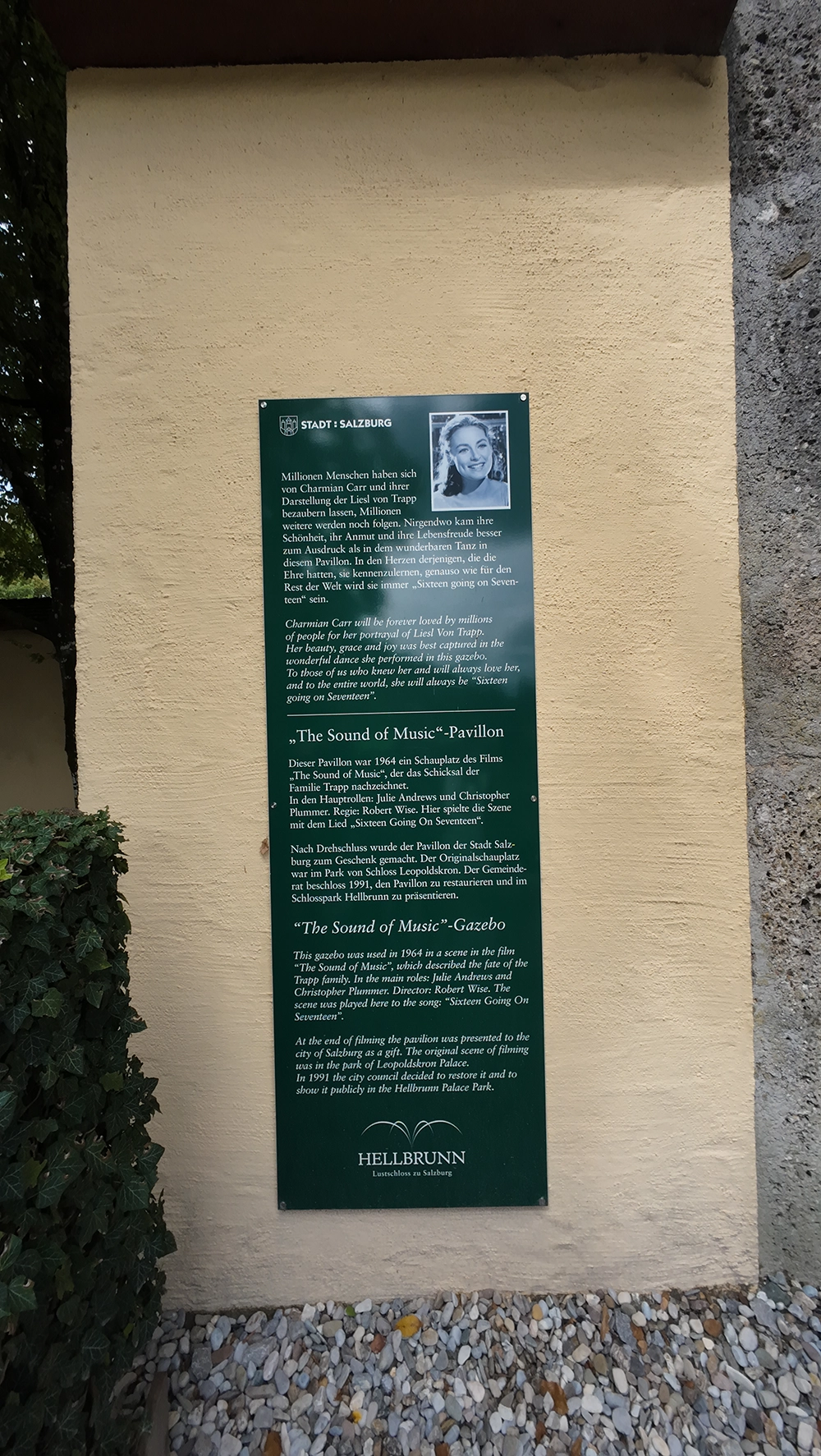
- The Sound of Music Pavilion, located in the gardens of Schloss Hellbrunn in Salzburg, Austria, is a cherished landmark made famous by the beloved 1965 film The Sound of Music. Once used as the setting for the iconic “Sixteen Going on Seventeen” and “Something Good” scenes, the glass pavilion has become a symbol of romance, nostalgia, and cinematic history. Set within a serene garden backdrop, it invites visitors to relive moments from the classic film and has become one of Salzburg’s most memorable and photographed attractions.
- Fortress Hohensalzburg, towering above Salzburg, Austria, is one of the largest and best-preserved medieval castles in Europe. Originally built in the 11th century, the fortress was expanded over the centuries to serve as a powerful stronghold for the prince-archbishops. Its mighty walls and commanding towers symbolize strength, authority, and resilience. Today, visitors can explore its grand halls, museums, and ramparts while enjoying sweeping views of the city and surrounding Alps. As an enduring emblem of Salzburg’s history, Fortress Hohensalzburg stands as one of the city’s most iconic and unforgettable landmarks.
- Volksgarten, located in Salzburg, Austria, is a vibrant public park that has long served as a place of leisure and community. With wide green spaces, tree-lined paths, and seasonal flower displays, it offers a peaceful retreat within the city. The park also features a large pond, playgrounds, and recreational areas, making it a gathering place for both relaxation and activity. Symbolizing harmony between nature and urban life, Volksgarten has become a cherished landmark of Salzburg, welcoming locals and visitors alike to enjoy its beauty and lively atmosphere.
- Mirabellgarten, located in Salzburg, Austria, is a masterpiece of Baroque landscape design and one of the city’s most enchanting attractions. Created in the 17th century alongside Mirabell Palace, the gardens are adorned with elegant flowerbeds, mythological statues, and carefully sculpted hedges. Symbolizing harmony, beauty, and artistic grandeur, they reflect Salzburg’s rich cultural heritage. Famous as a filming location for The Sound of Music, Mirabellgarten combines history and romance, offering visitors breathtaking views of Hohensalzburg Fortress framed by vibrant blossoms. Today, it stands as one of Salzburg’s most iconic and cherished landmarks.
- Mirabell Palace, located in Salzburg, Austria, is a magnificent Baroque residence built in 1606 by Prince-Archbishop Wolf Dietrich von Raitenau. Originally created as a place of grandeur and leisure, the palace is famed for its elegant Marble Hall, once a princely banquet room and now one of the world’s most beautiful wedding venues. Symbolizing refinement, artistry, and Salzburg’s rich cultural legacy, Mirabell Palace stands as a testament to centuries of history. Together with its adjoining gardens, it has become one of Salzburg’s most iconic landmarks, admired by visitors from around the world.
- Mozart’s Birthplace, located in Salzburg, Austria, is a historic museum dedicated to the early life of Wolfgang Amadeus Mozart, one of the world’s greatest composers. The 18th-century building preserves rooms where Mozart was born and raised, showcasing personal artifacts, instruments, and family memorabilia. Symbolizing genius, creativity, and musical legacy, the site offers a glimpse into the formative years of a prodigious talent. Set in the heart of Salzburg’s historic old town, Mozart’s Birthplace has become an essential landmark for music lovers and visitors eager to connect with the life and work of this iconic composer.
- Getreidegasse Street, located in Salzburg, Austria, is a historic and bustling shopping street renowned for its charming architecture and wrought-iron signs. Dating back to the medieval period, it has long been a center of trade, culture, and daily life in the city. Symbolizing tradition, vibrancy, and Salzburg’s rich urban heritage, the street invites visitors to explore its boutiques, cafés, and artisan shops. With its lively atmosphere and historical significance, Getreidegasse Street has become one of Salzburg’s most iconic and frequented landmarks.
- Salzburg Cathedral, located in the heart of Salzburg, Austria, is a magnificent Baroque church renowned for its grand architecture and historical significance. Built in the 17th century on the site of earlier churches, it features soaring domes, ornate frescoes, and a stunning façade that exemplify Baroque artistry. Symbolizing faith, resilience, and cultural heritage, the cathedral has been central to Salzburg’s religious and civic life for centuries. Surrounded by the historic city center, Salzburg Cathedral stands as one of the city’s most iconic landmarks, drawing visitors from around the world to admire its beauty and spiritual legacy.
The city is a gem not to be missed, give yourself an extra day if possible.
Our rating
- Beauty: ★★★★★
- Motorhome access: ★★★★☆
- Dog friendly: ★★★★☆
- Would return: ★★★★★
Our tip
Tips – links
Tip: Best viewed on two wheels – Bike is best
Quick facts
- Stay: 1–2 nights
- Best for: History, architecture, culture
- Dog friendly: Good in parks and open spaces
- Booking: Recommended
Vienna
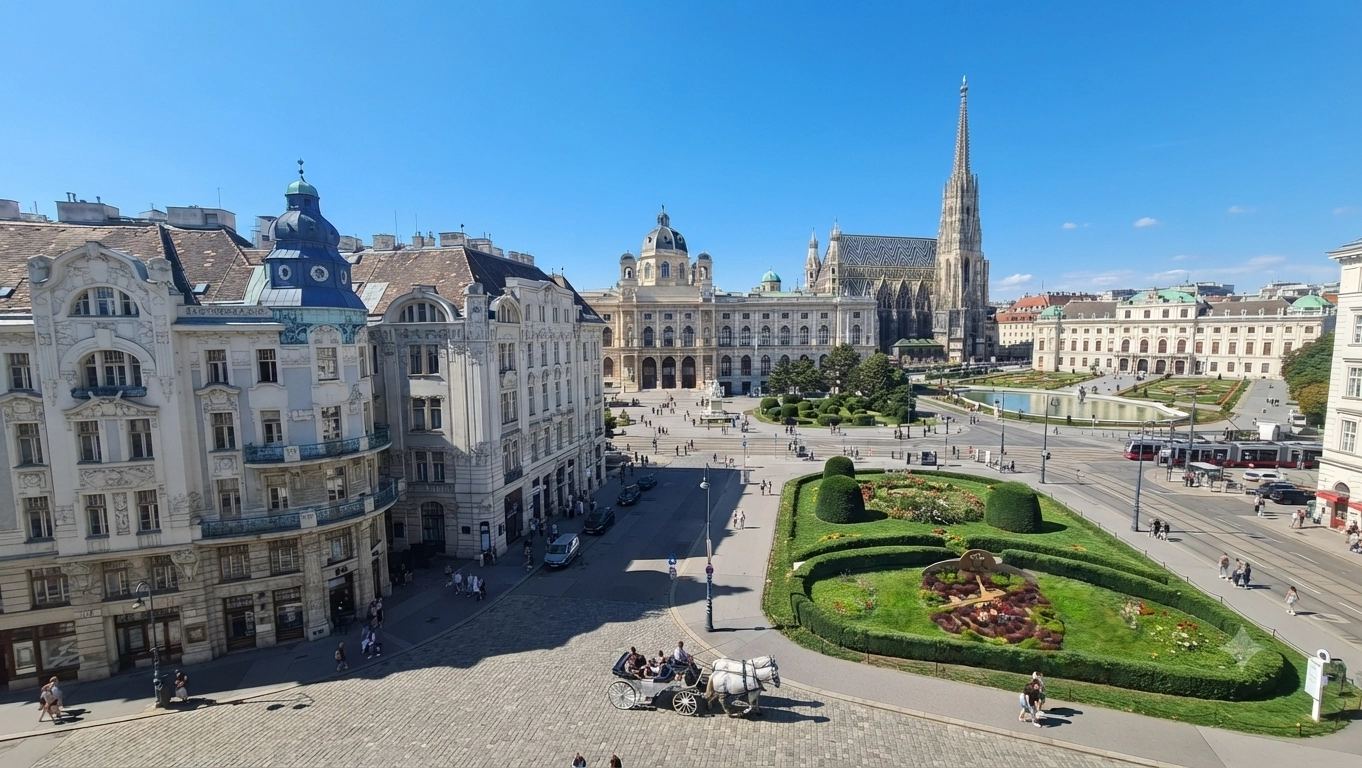
★★★★☆ · A rewarding city stop with more planning required
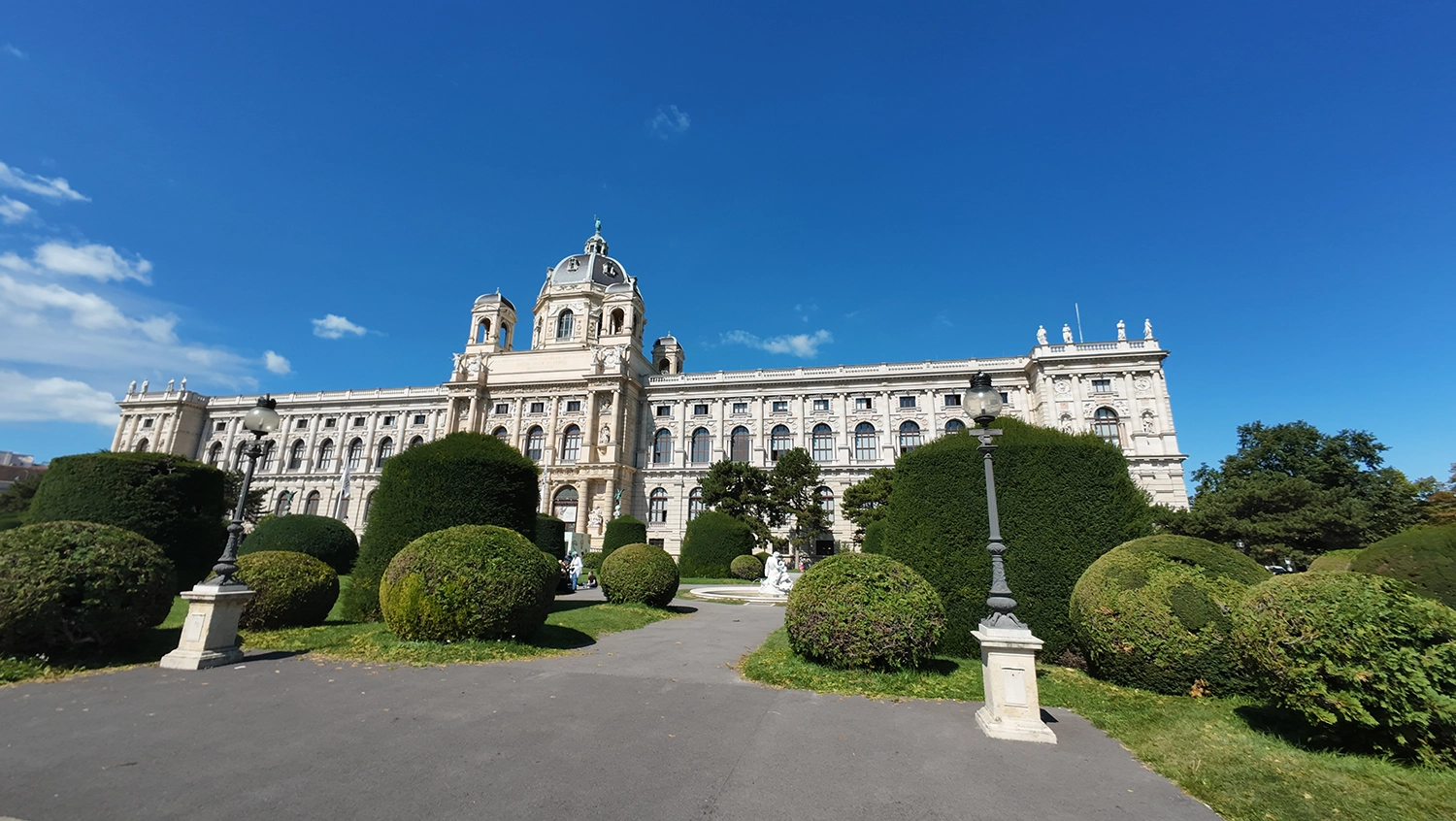
Vienna is the kind of stop that adds culture, scale and contrast to an Austria route. It is less about scenic overnight views and more about grand architecture, walkable districts and giving the trip a different rhythm for a day or two.
For motorhome travel, the key is not to overcomplicate it. A practical campsite or motorhome base outside the busiest areas makes all the difference, especially if you can rely on public transport into the city.
About Vienna
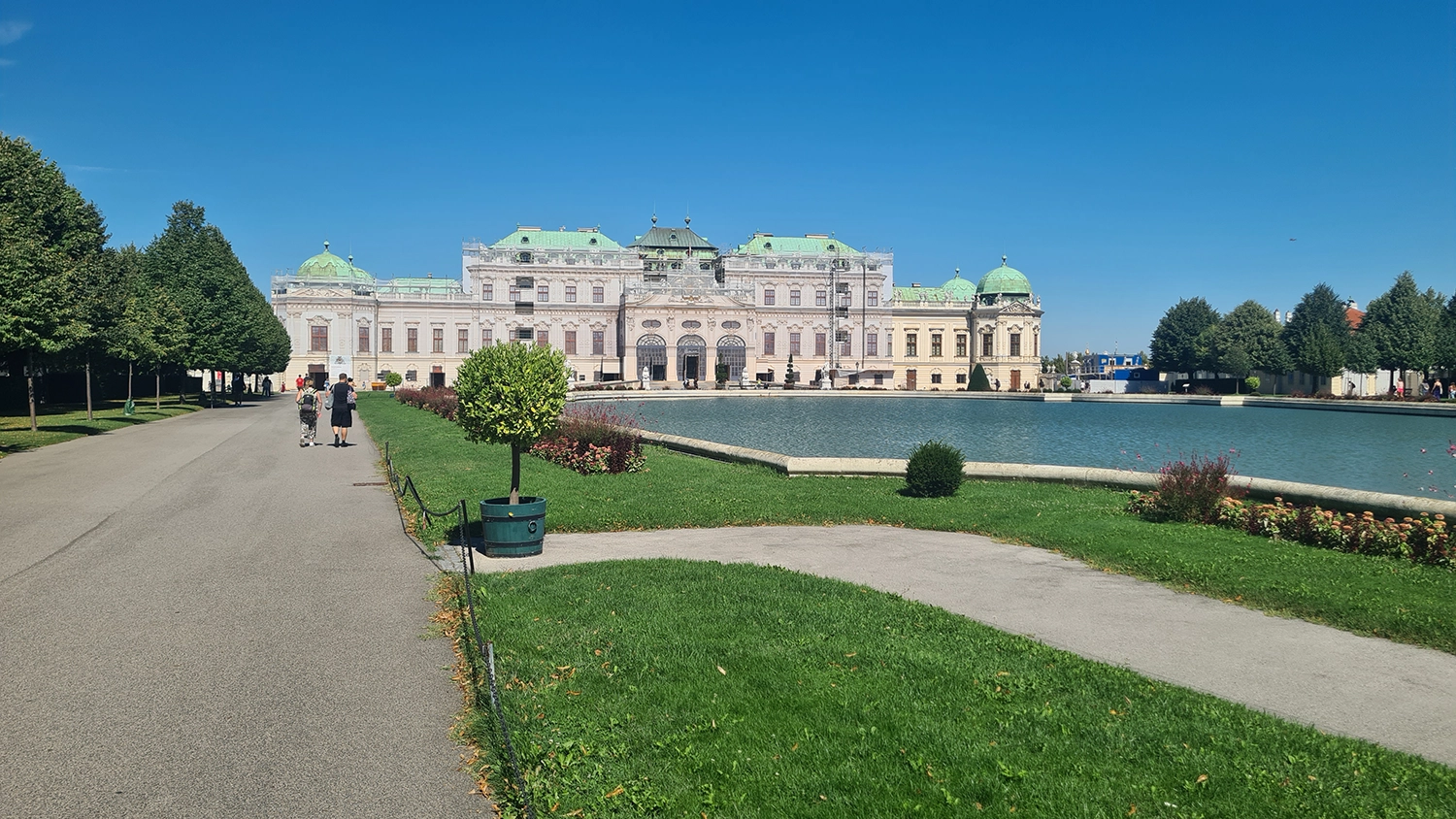
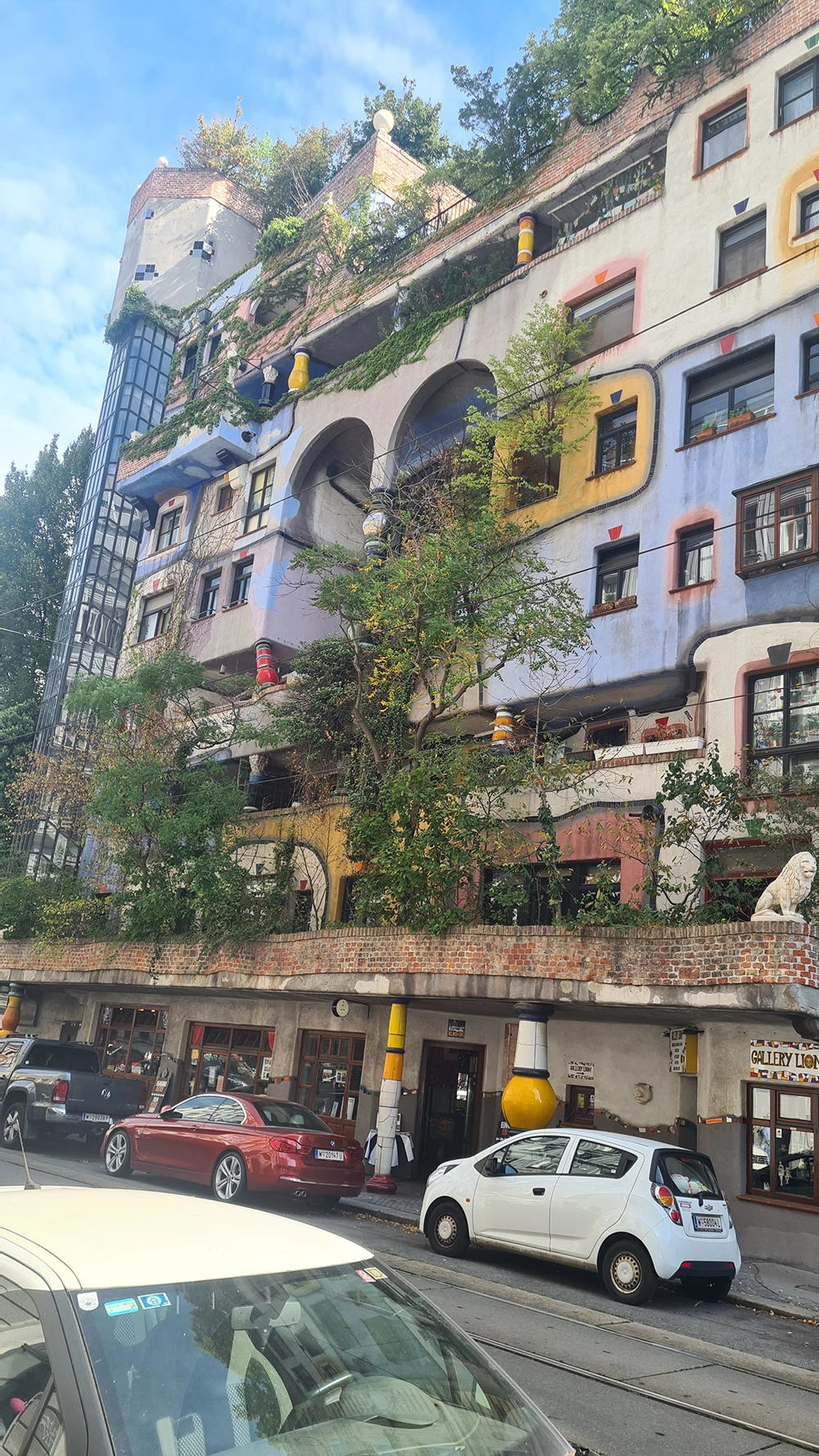
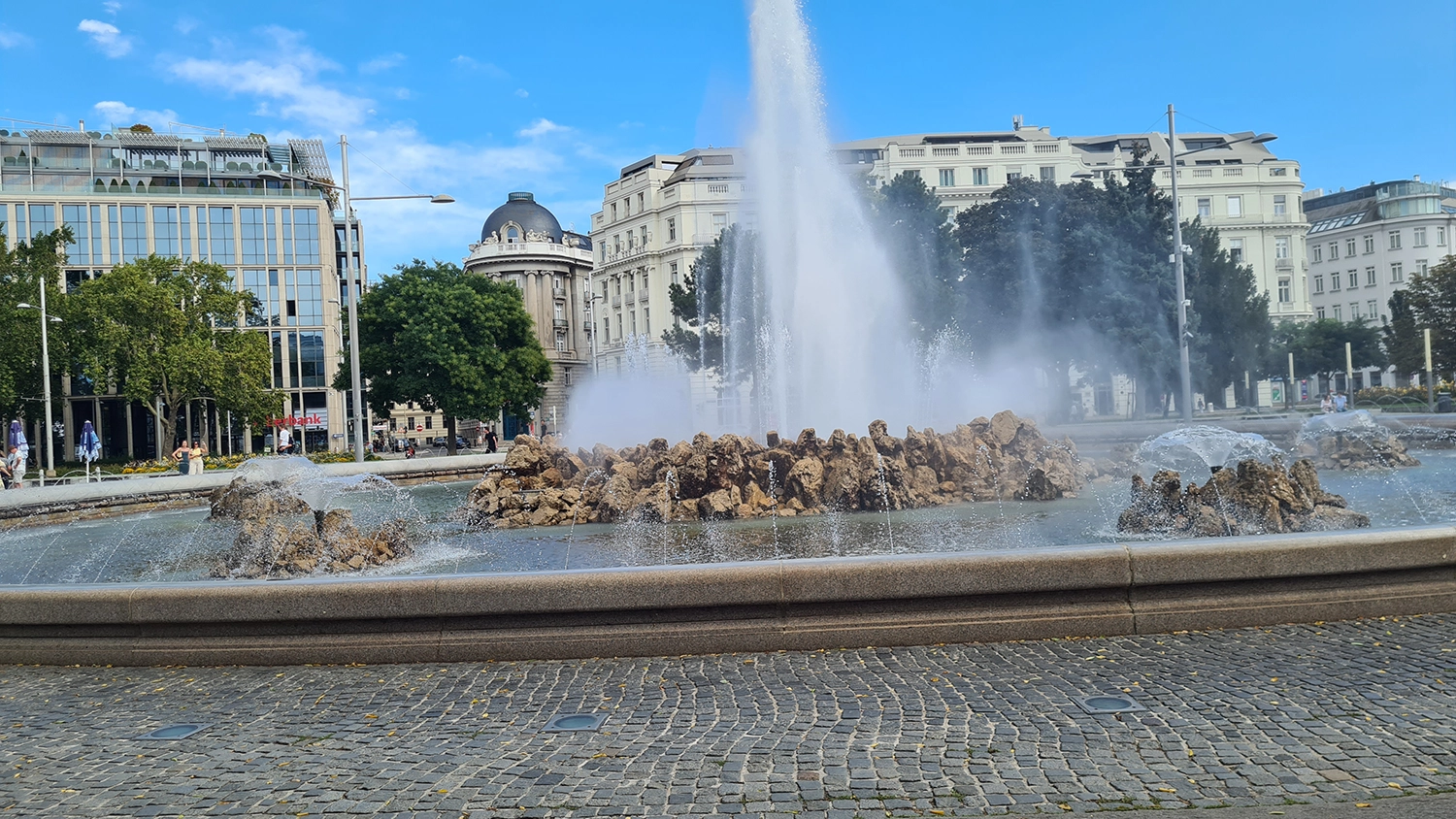
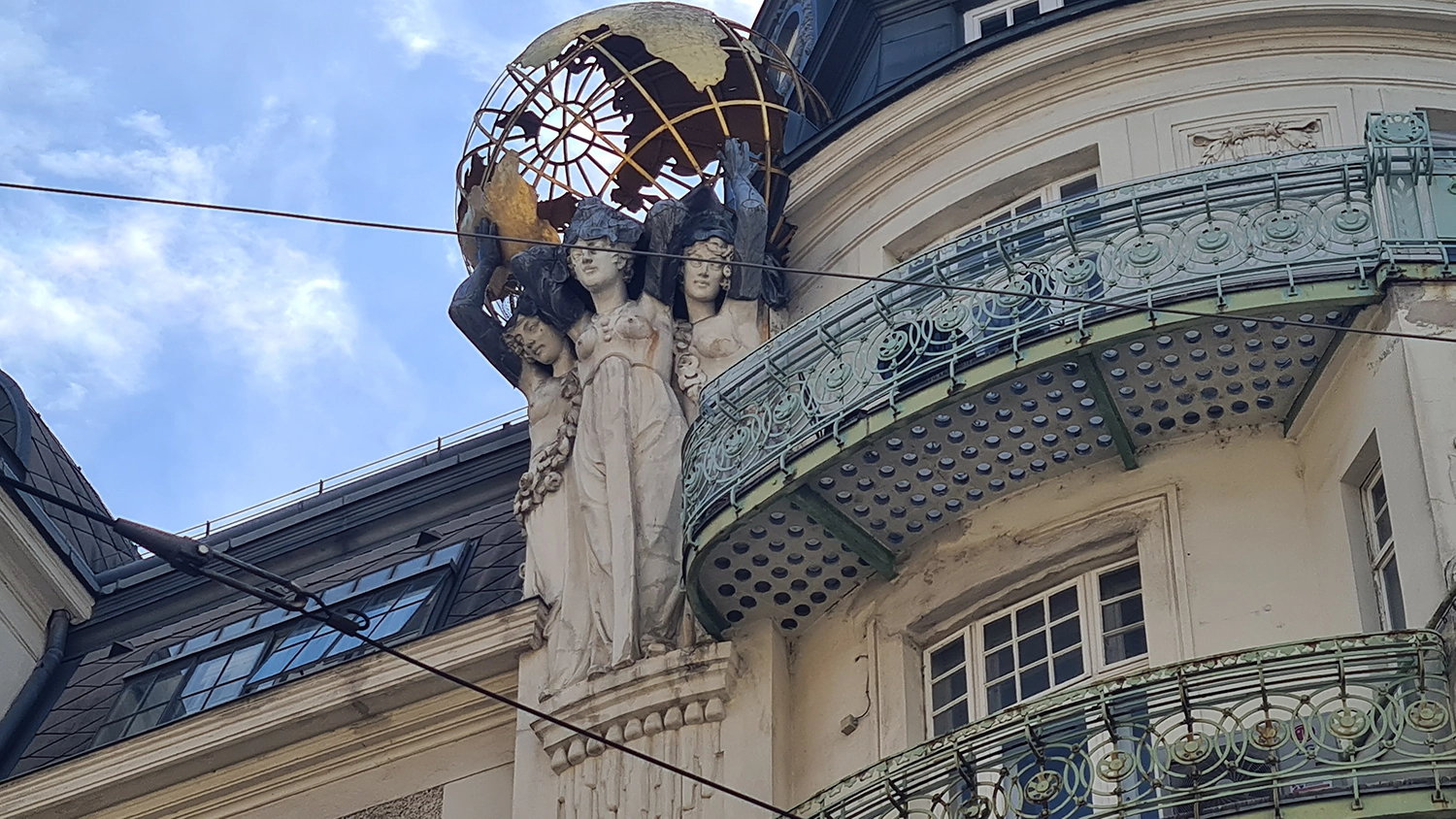
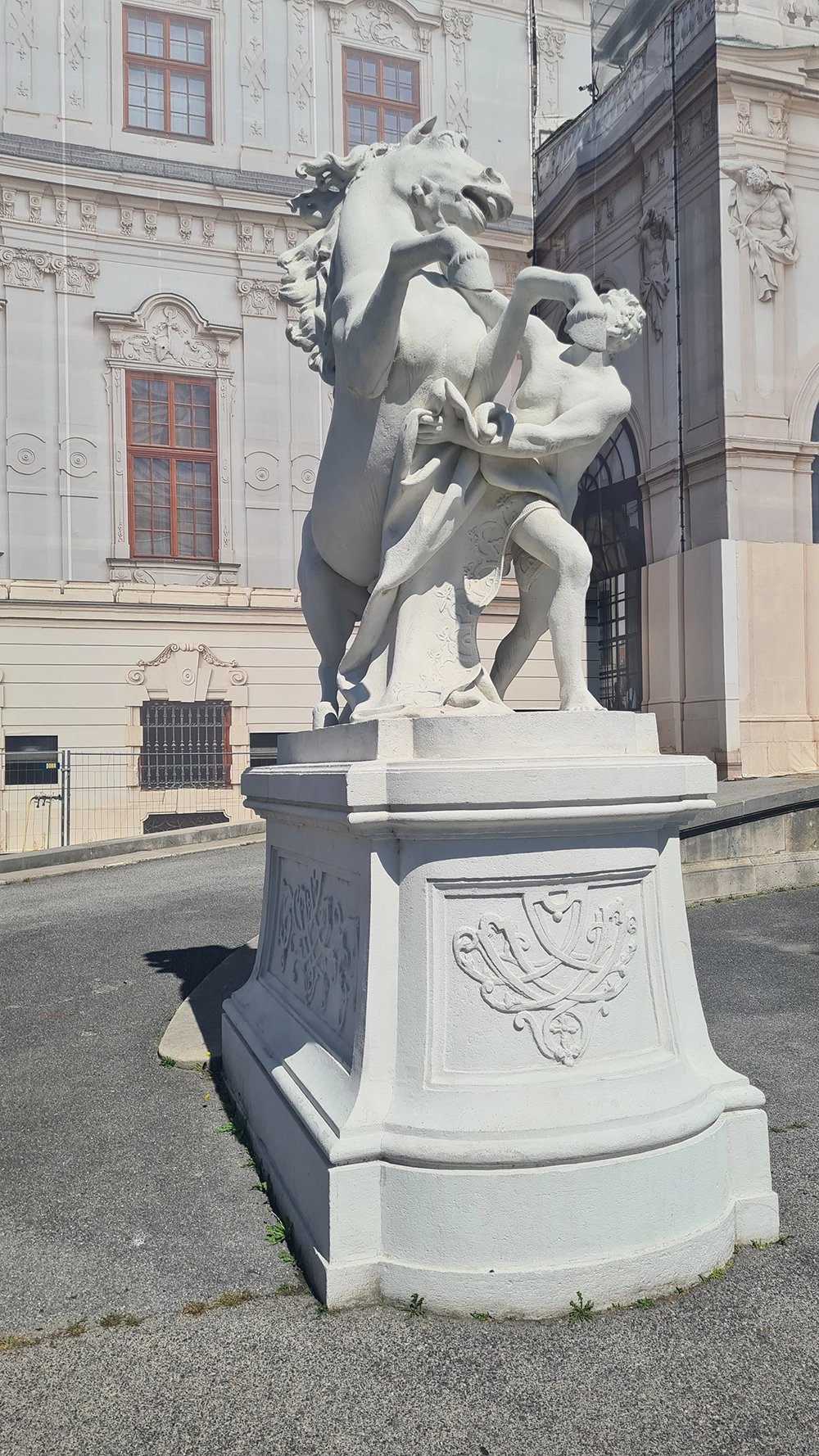
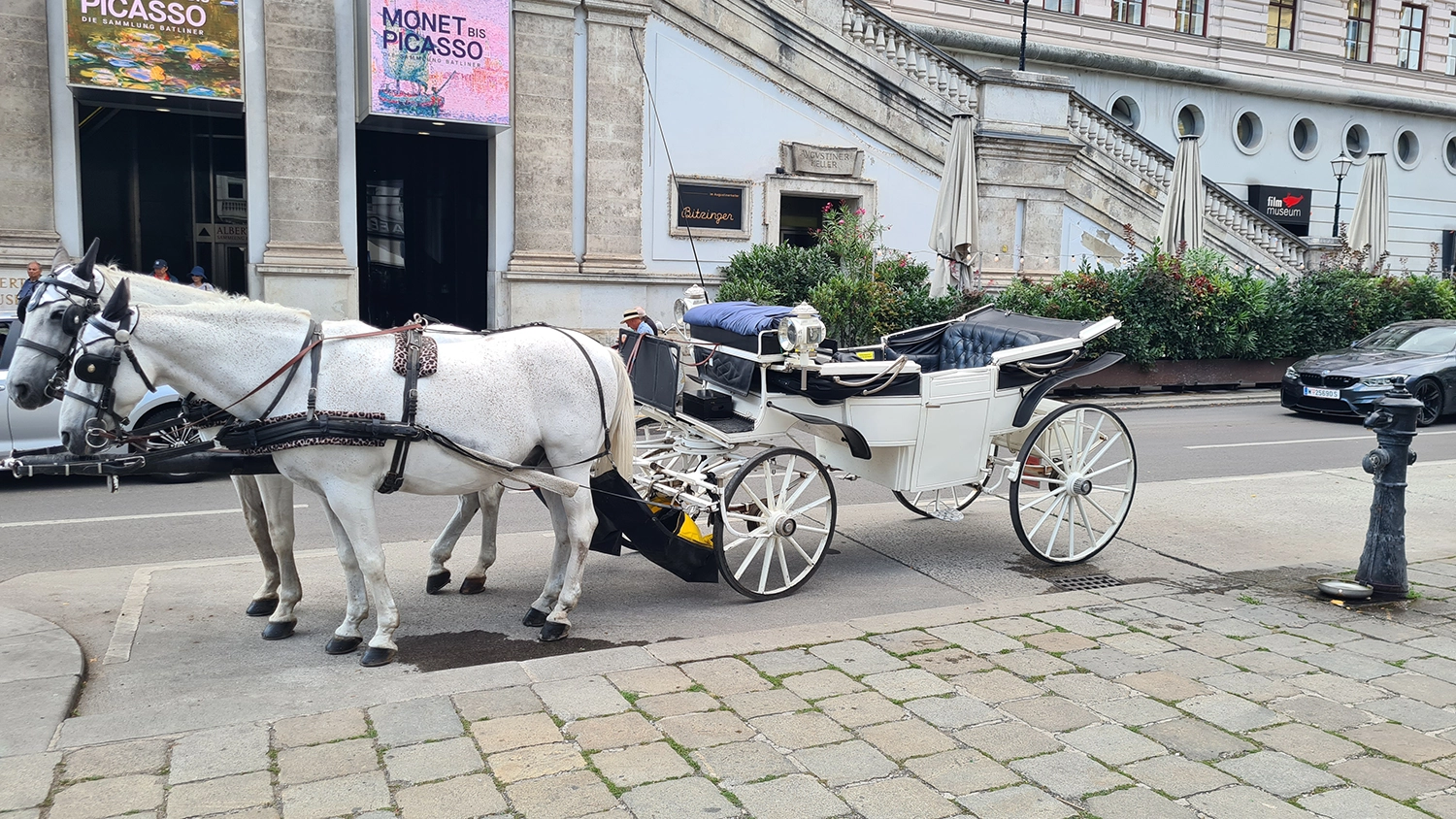
Vienna, Austria’s capital, combines imperial history, culture, and beautiful green spaces. We explored many of its iconic sights by bike, including Belvedere Palace, Karlskirche, the Hofburg, Parliament, and the Prater. With its grand architecture and wide boulevards, Vienna is a wonderful city to discover at a relaxed pace.
Where we would stay
Camping Nord Sam
Campsite review: MICAMPA Wien Donau is a well-maintained campsite with friendly, helpful staff and spacious pitches. The facilities are clean and modern, making for a comfortable stay. Its biggest advantage is the excellent location, with easy access to Vienna by public transport, making it an ideal base for exploring the city.
- Best base: An excellent choice for exploring Vienna, with easy cycle routes and good public transport links into the city.
- Facilities: Well suited for city breaks, offering the facilities needed after long days exploring.
- Dog friendly: A great location for dog walks, with riverside paths and plenty of green space nearby.
- Would we return? Yes — it would be a great stop on a longer Alpine or European touring route.
Nearby attractions
- The Swiss Garden
- Belvedere Palace
- Karlskirche
- Schönbrunn Palace Park
- Stadtpark
- Burggarten
- St. Stephen’s Cathedral, or Stephansdom
- Volksgarten
- Augarten
The best campsite – Camping Neue Donau
We stayed at Camping Neue Donau and received a warm welcome from the friendly staff. The toilets and showers were clean, though a little dated, with plenty available throughout our stay.
Our premium pitch was hedge-lined and conveniently located near reception and the facilities, with excellent Wi-Fi. We heard coverage can be weaker at the far end of the site.
The campsite is ideally placed for exploring Vienna, with the city centre just a 10-minute cycle away. Being able to leave the motorhome parked and explore by bike made visiting the sights easy, with shops also nearby.
A well-maintained city campsite located on the banks of the Neue Donau in Vienna, Austria. It offers comfortable pitches with electricity, modern facilities, and excellent access to the city. With Vienna’s centre just a short cycle ride away, it is the perfect base for exploring the city by bike or public transport.
Top tips when visiting
- Stay just outside the city centre and leave your motorhome on the campsite while you explore Vienna on foot, by bike, or using public transport. We found taking our bikes and dog trailer was the perfect option, making it easy and enjoyable to see the city without the stress of driving or finding parking.
- If you’re exploring by bike, use Google Maps to plan an efficient route between Vienna’s main attractions. It helps you make the most of your time and avoid unnecessary detours.
- Vienna felt very safe during our visit, but it’s still worth carrying a good-quality bike lock so you can leave your bikes with confidence while visiting attractions..
- Dogs are welcome in many areas of Vienna, but if you’re using public transport, try to avoid peak travel times. Busy trains and trams can be overwhelming, especially for smaller dogs, so travelling outside rush hour makes the journey much more comfortable for everyone.
Vienna is a true gem and well worth taking the time to explore. If possible, allow yourself an extra day so you can enjoy the city at a relaxed pace and discover more of what it has to offer.
Top places to see – more details
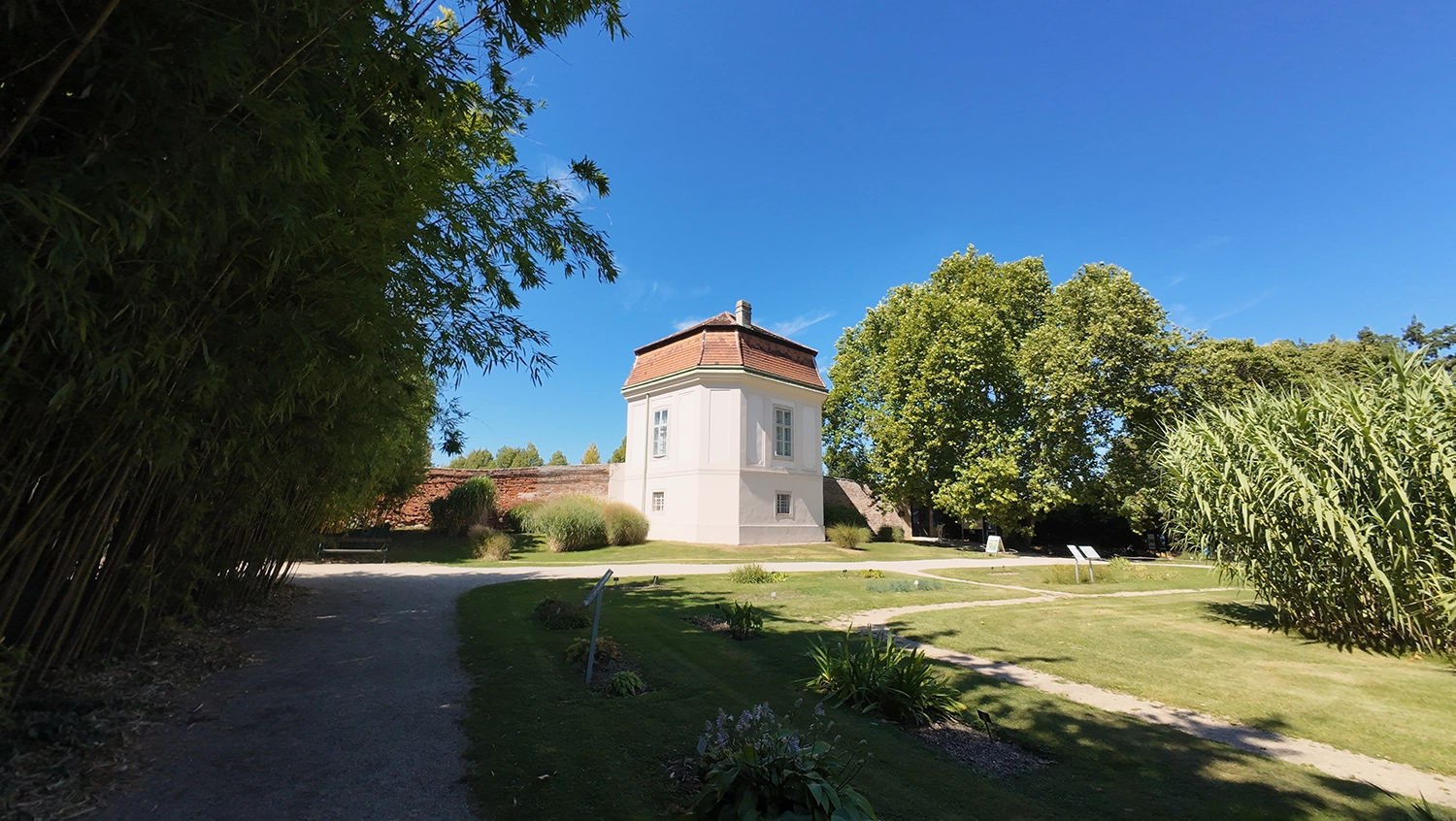
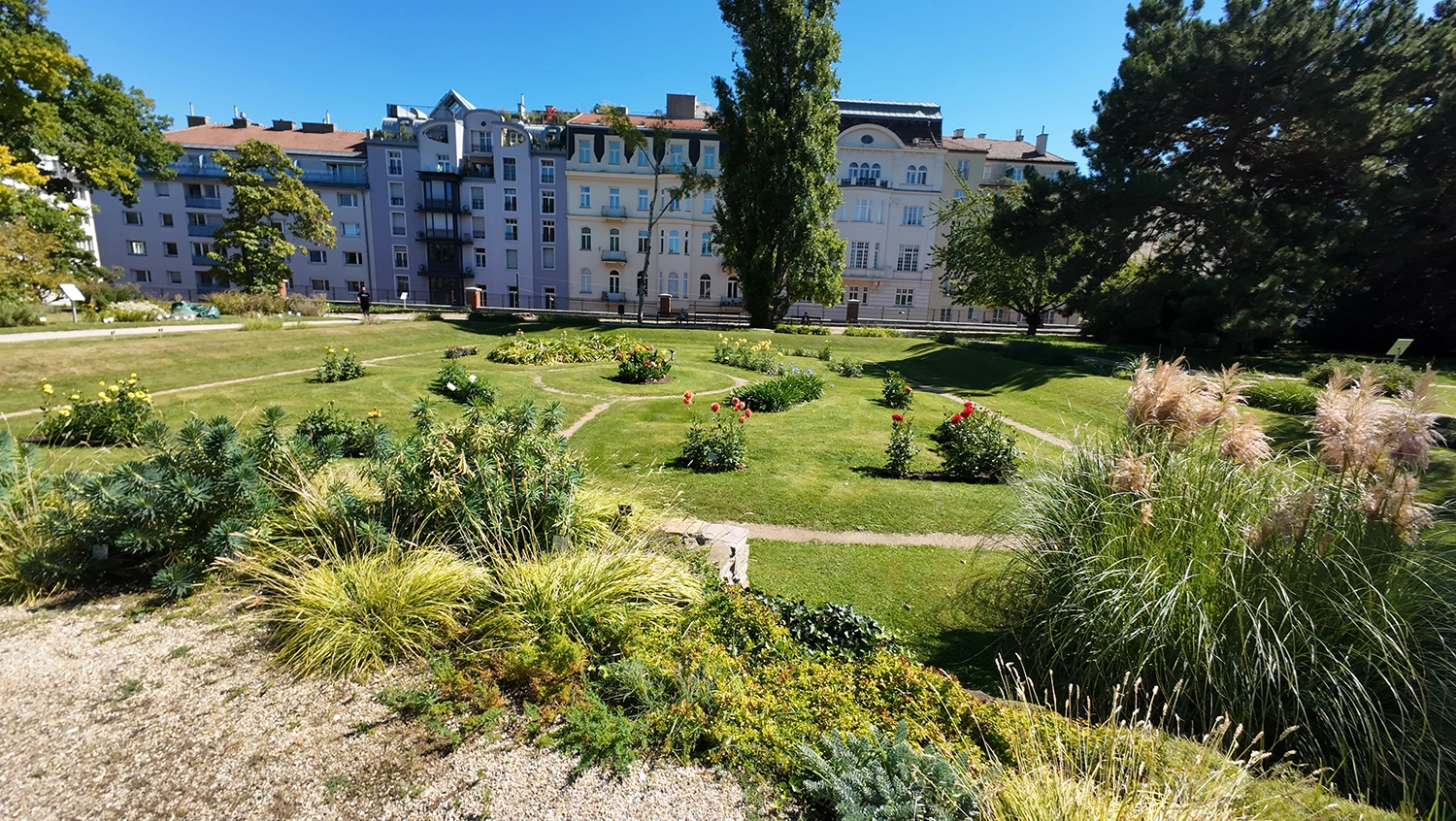
- The Swiss Garden is a picturesque green oasis located in Vienna, Austria, not far from the historic Belvedere Palace. Known for its beautifully landscaped grounds and tranquil atmosphere, the garden features elegant walking paths, a serene pond, and lush greenery that offers a peaceful escape from the bustling city. Originally designed in the early 19th century in the Biedermeier style, the Swiss Garden combines classical landscaping with romantic charm, making it a favorite spot for leisurely strolls, quiet relaxation, and photography. Easily accessible from the city center, it is a popular destination for both locals and visitors seeking to enjoy Vienna’s natural beauty in a calm and inviting setting.
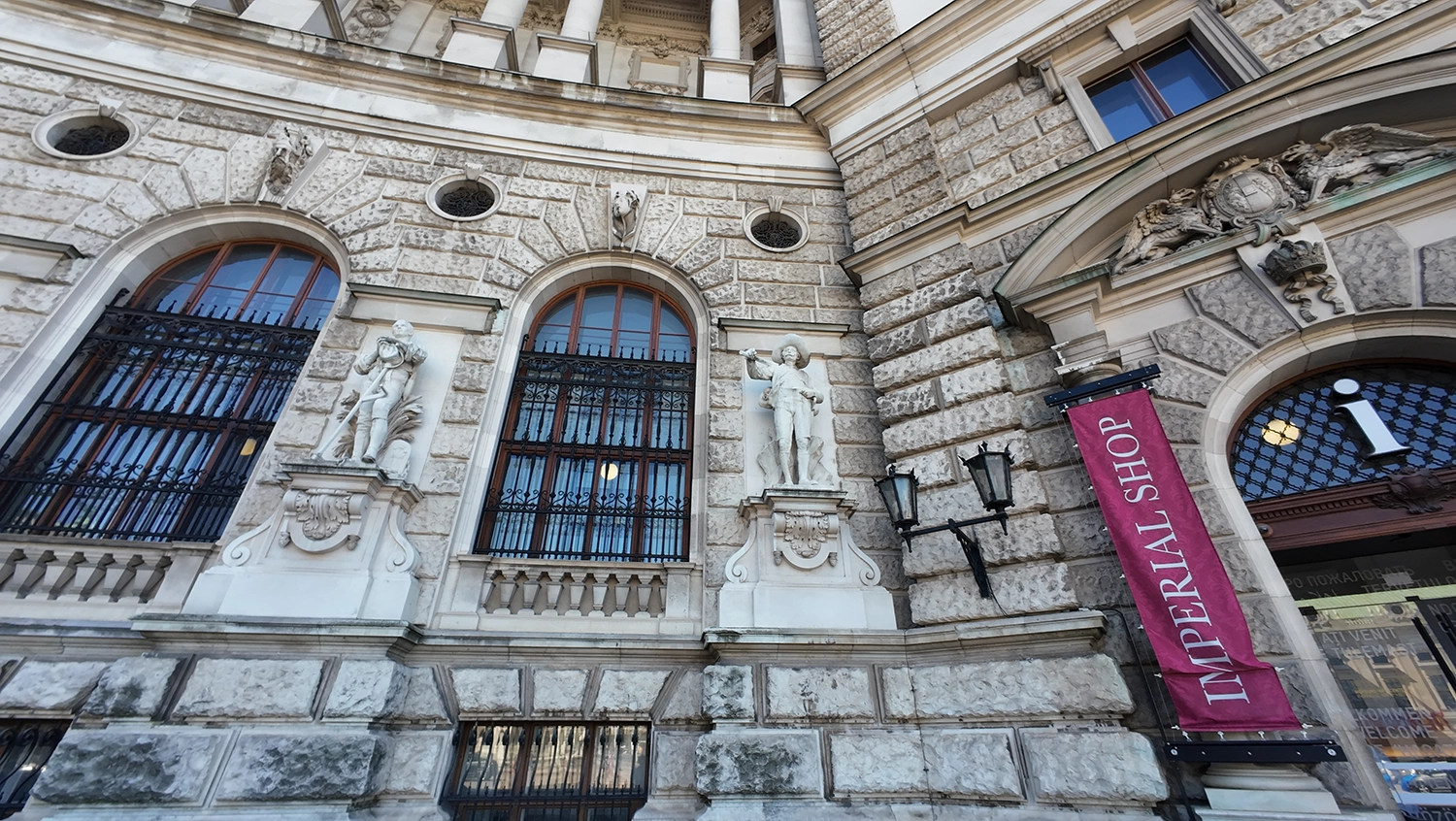
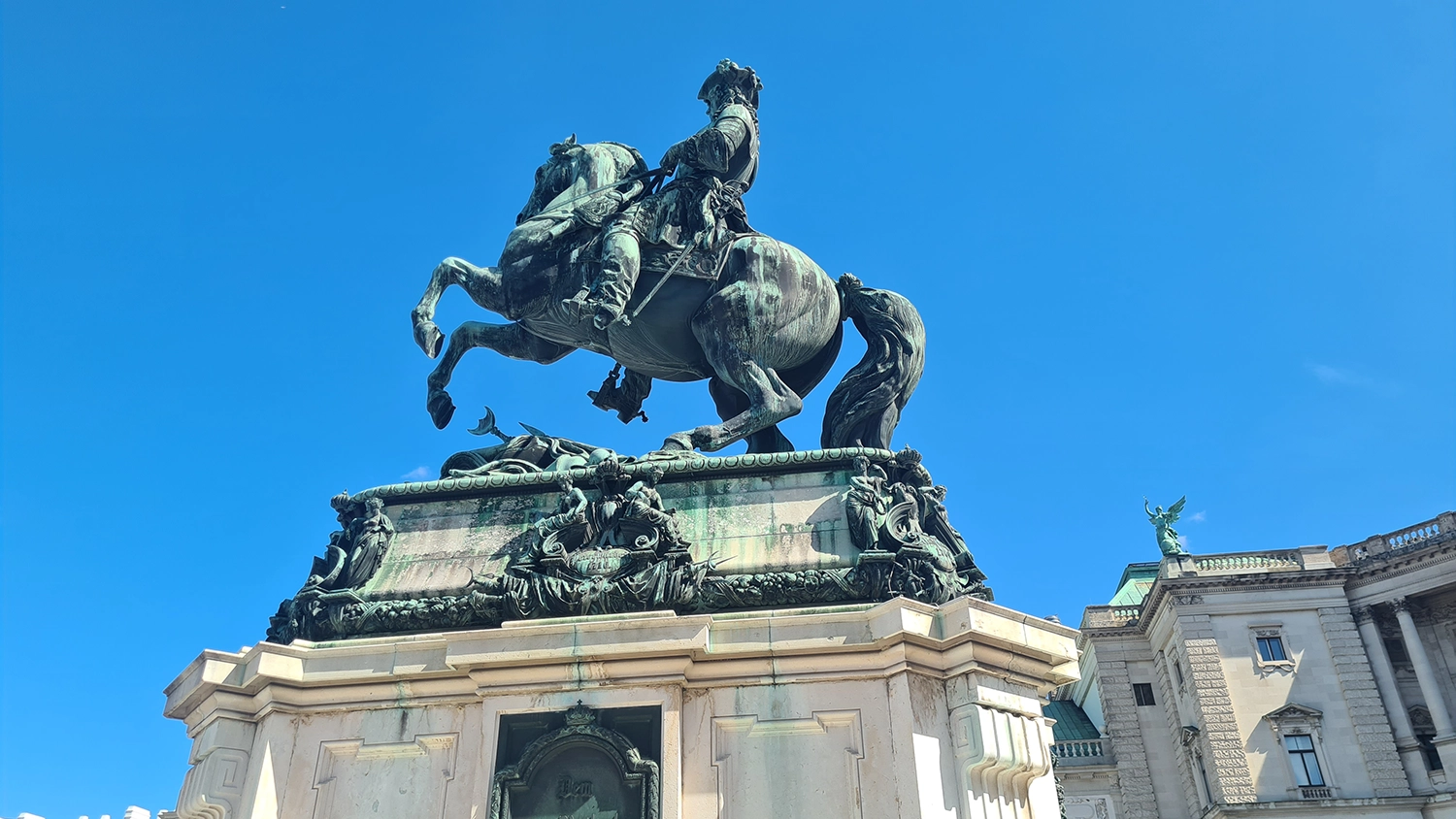
- Belvedere Palace is a magnificent baroque landmark located in Vienna, Austria. Renowned for its grand architecture and exquisite gardens, the palace complex consists of the Upper and Lower Belvedere, connected by beautifully landscaped terraces and fountains. Built in the early 18th century as the summer residence of Prince Eugene of Savoy, Belvedere is now home to one of Austria’s most important art collections, including Gustav Klimt’s world-famous painting The Kiss. Visitors can explore opulent state rooms, stroll through the formal gardens, and enjoy sweeping views over Vienna’s historic center. Easily accessible from the city, Belvedere Palace is a must-visit destination for those seeking a blend of art, history, and breathtaking scenery in a truly regal setting.
- Karlskirche is a striking baroque church located on Karlsplatz in Vienna, Austria. Completed in the 18th century, it is widely regarded as one of the city’s most impressive architectural landmarks, combining classical elements with baroque grandeur. The church is distinguished by its massive green copper dome and two ornate columns inspired by Trajan’s Column in Rome, which depict scenes from the life of St. Charles Borromeo, to whom the church is dedicated. Inside, visitors can admire beautifully detailed frescoes and ascend to the dome for panoramic views of Vienna’s skyline. Surrounded by a reflecting pool that enhances its majestic façade, Karlskirche is a popular destination for history enthusiasts, architecture lovers, and those seeking one of the most iconic views in the Austrian capital.
- Schönbrunn Palace Park is a magnificent landscaped garden surrounding Vienna’s most famous imperial residence, Schönbrunn Palace. Designed in the 18th century in the formal baroque style, the park features elegant flowerbeds, grand avenues, and ornate fountains, creating a stunning backdrop for leisurely walks. Highlights include the Neptune Fountain, the Gloriette with its sweeping views over the palace and city, and the world’s oldest zoo, Tiergarten Schönbrunn. Covering over a square kilometer, the park combines artistic design with natural beauty, offering peaceful retreats as well as impressive viewpoints. Open to the public year-round, Schönbrunn Palace Park is a must-visit destination for anyone wishing to experience Vienna’s imperial history while enjoying one of Europe’s most celebrated gardens.
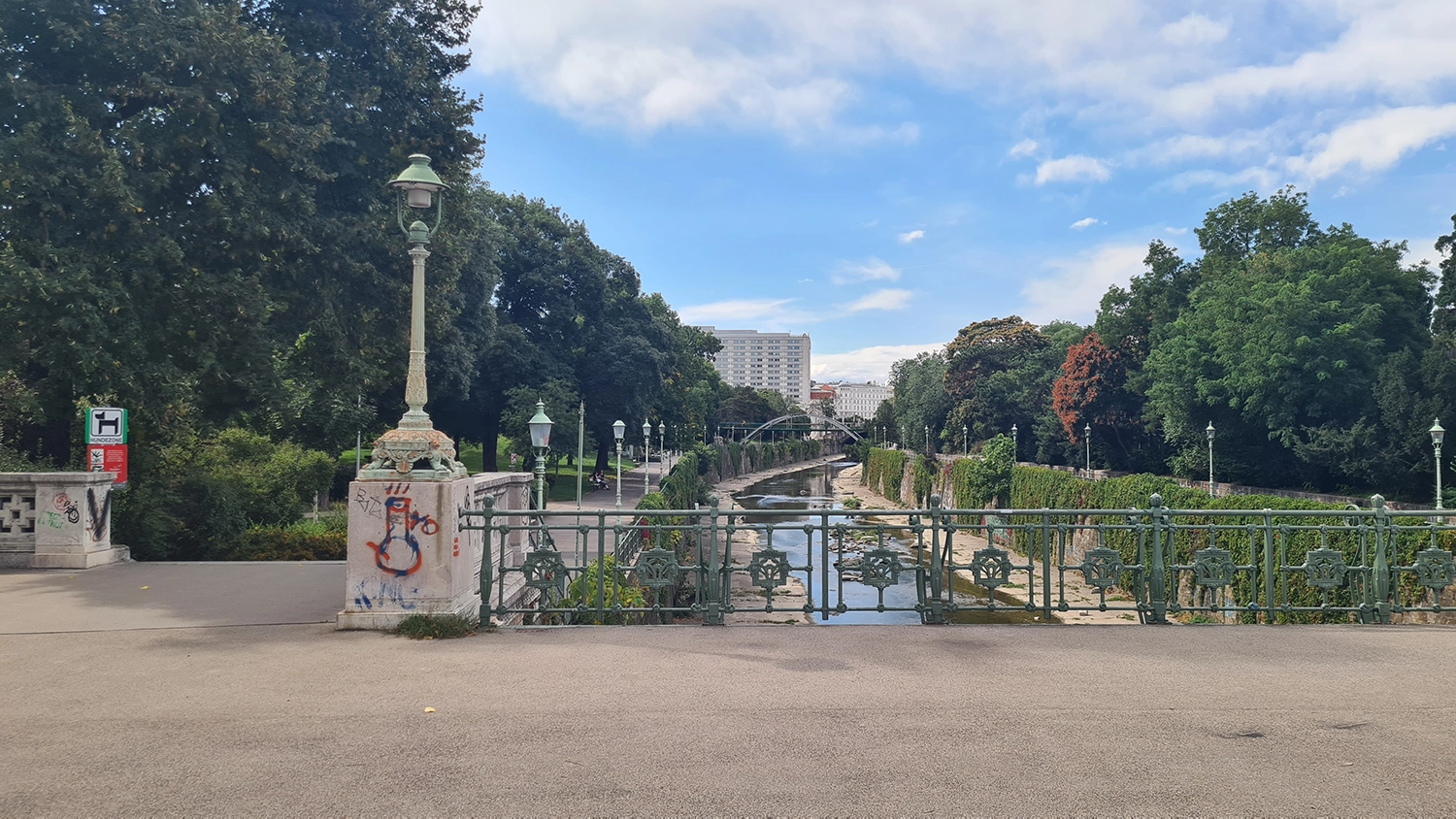
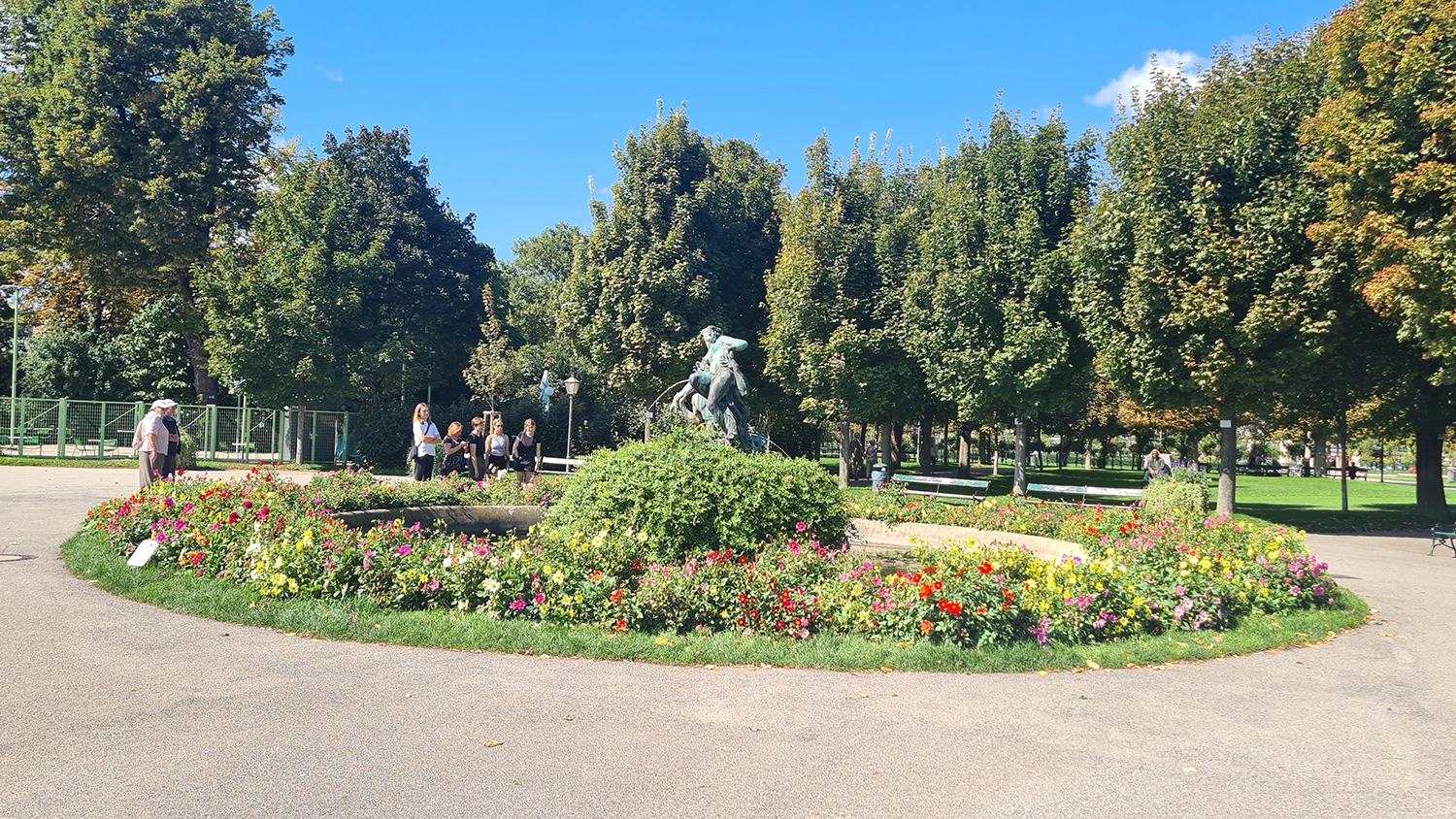
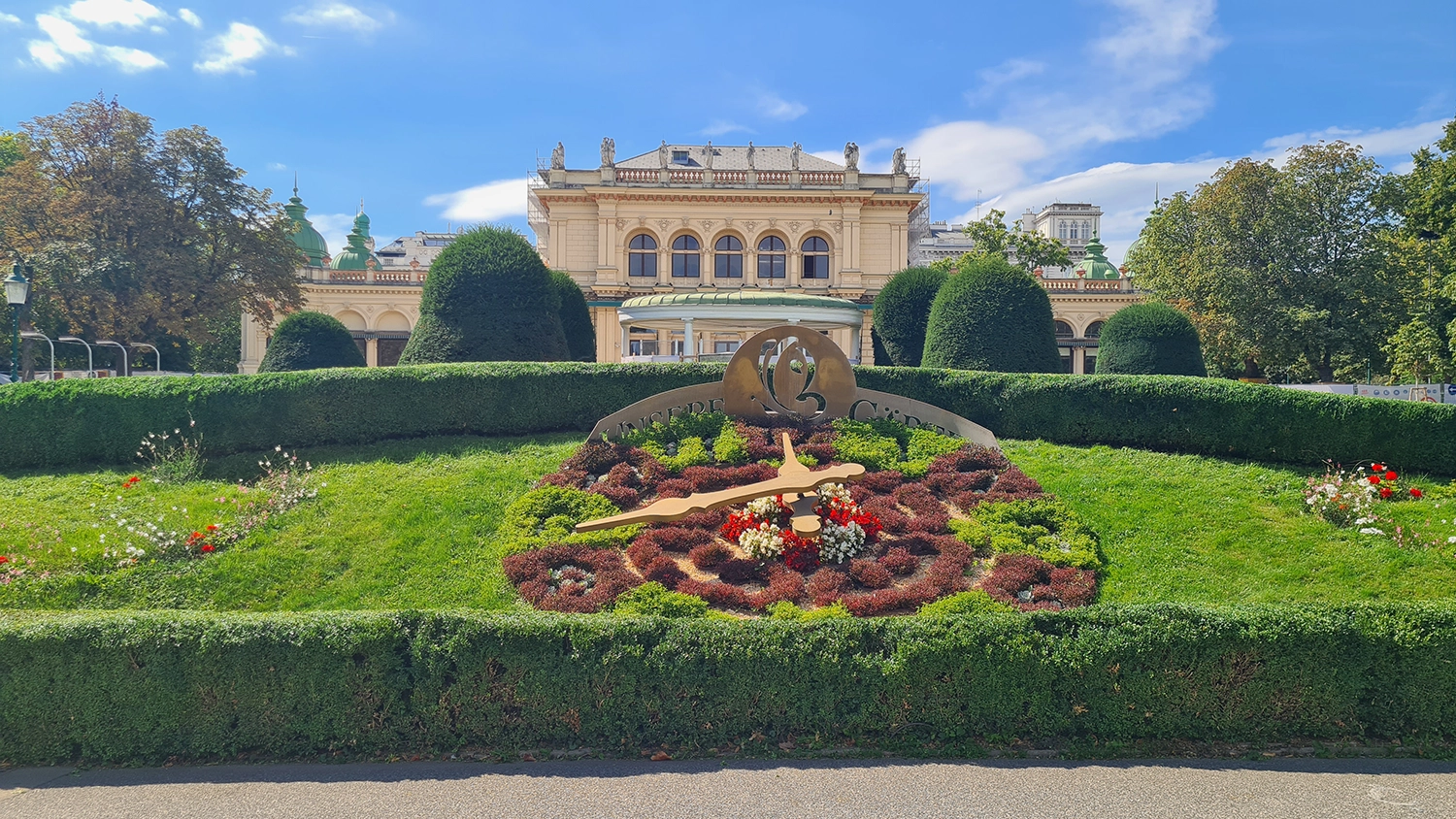
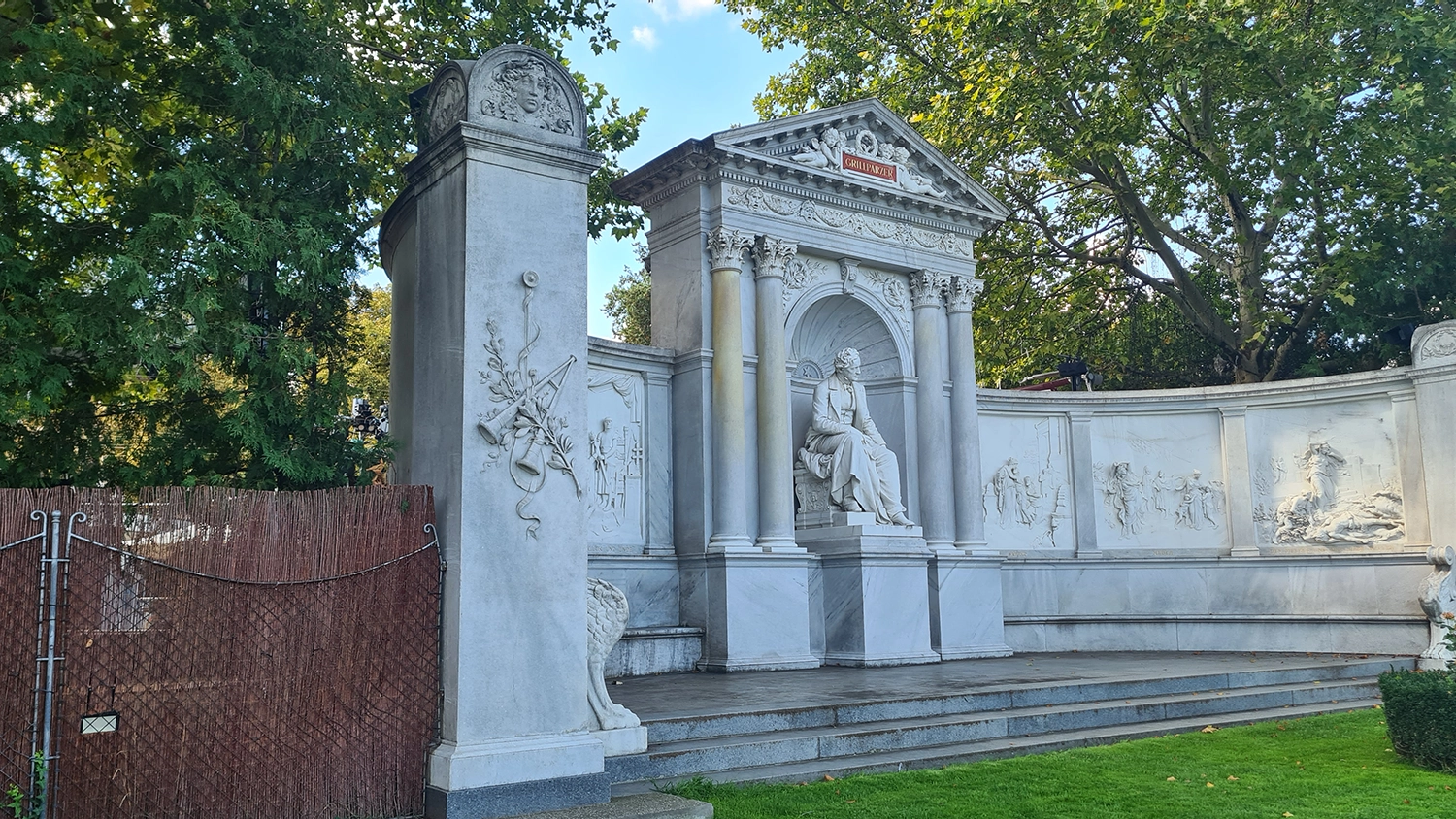
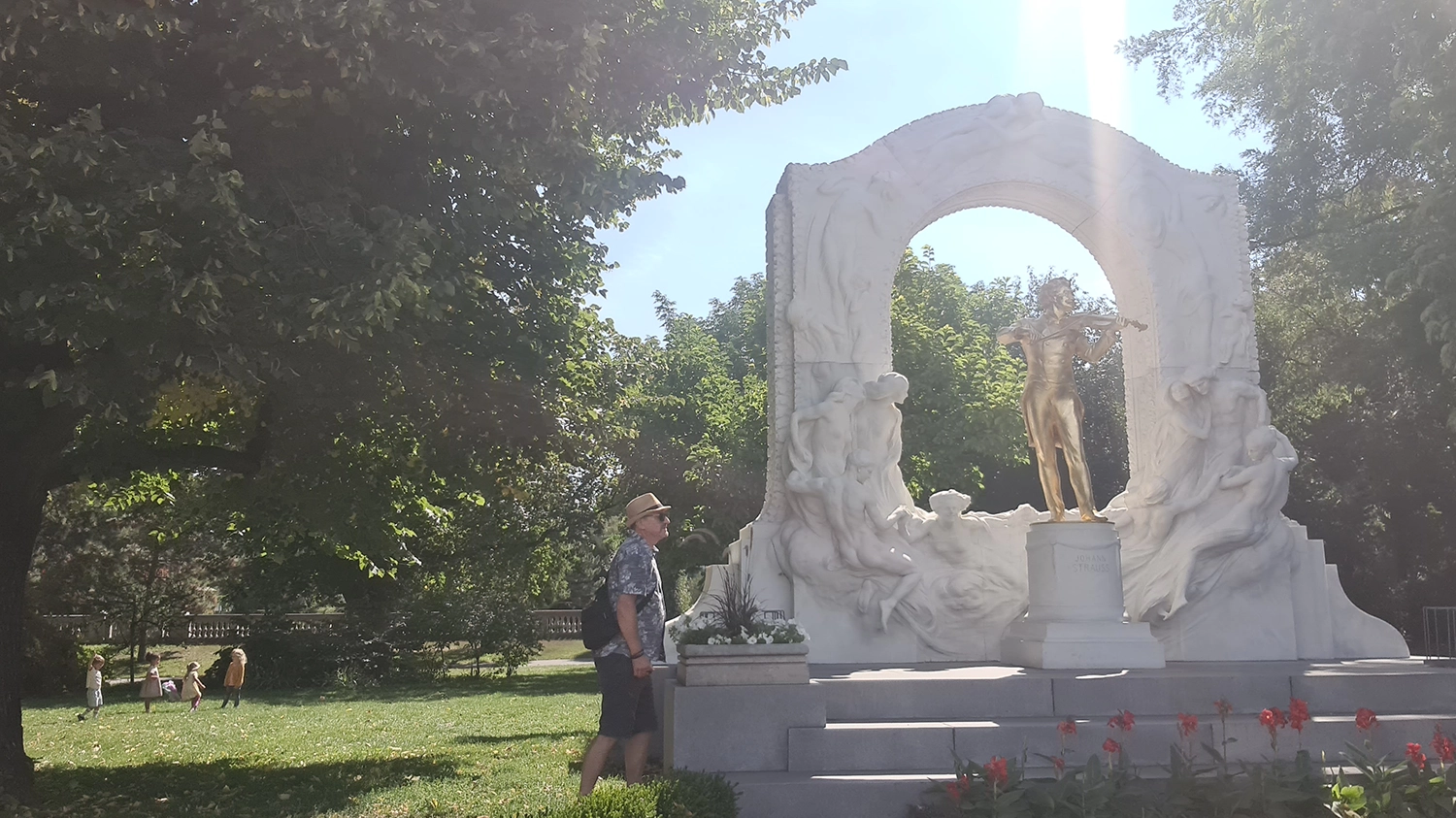
- Stadtpark is one of Vienna’s most famous and elegant green spaces, located near the city center along the Wien River. Opened in 1862, it is designed in the style of an English landscape garden, with winding paths, picturesque ponds, and colorful flowerbeds that create a tranquil setting. The park is best known for its many statues and monuments dedicated to Austria’s cultural icons, including the golden Johann Strauss memorial, one of the most photographed landmarks in Vienna. Stadtpark offers both relaxation and charm, making it a favorite spot for leisurely strolls, photography, and enjoying a peaceful break amidst the city’s historic surroundings. Easily accessible by public transport, it is a must-visit destination for those seeking beauty, culture, and serenity in the heart of Vienna.
- Burggarten is a beautifully landscaped park located in the heart of Vienna, directly beside the Hofburg Palace. Once the private garden of the Habsburgs, it is now a public space that combines imperial elegance with peaceful greenery. The park features manicured lawns, graceful statues, and a prominent monument to Wolfgang Amadeus Mozart, one of Vienna’s most beloved landmarks. Visitors can also admire the striking Palmenhaus, a grand glasshouse that now houses a café and a butterfly garden. Blending history, culture, and natural beauty, Burggarten is a popular destination for leisurely walks and quiet relaxation, offering a serene retreat just steps away from Vienna’s bustling historic center.
- St. Stephen’s Cathedral, or Stephansdom, is Vienna’s most iconic landmark, rising majestically in the heart of the city’s historic center. Built in the Gothic style with origins dating back to the 12th century, the cathedral is renowned for its richly decorated roof of colorful tiles arranged in striking geometric patterns. Its soaring South Tower offers panoramic views across Vienna, while the interior impresses with intricate altars, beautiful chapels, and centuries of religious artistry. Visitors can also explore the cathedral’s underground catacombs, adding to its aura of history and mystery. Easily accessible from Stephansplatz, St. Stephen’s Cathedral is both a spiritual center and a must-see attraction, embodying the cultural and architectural grandeur of Vienna.
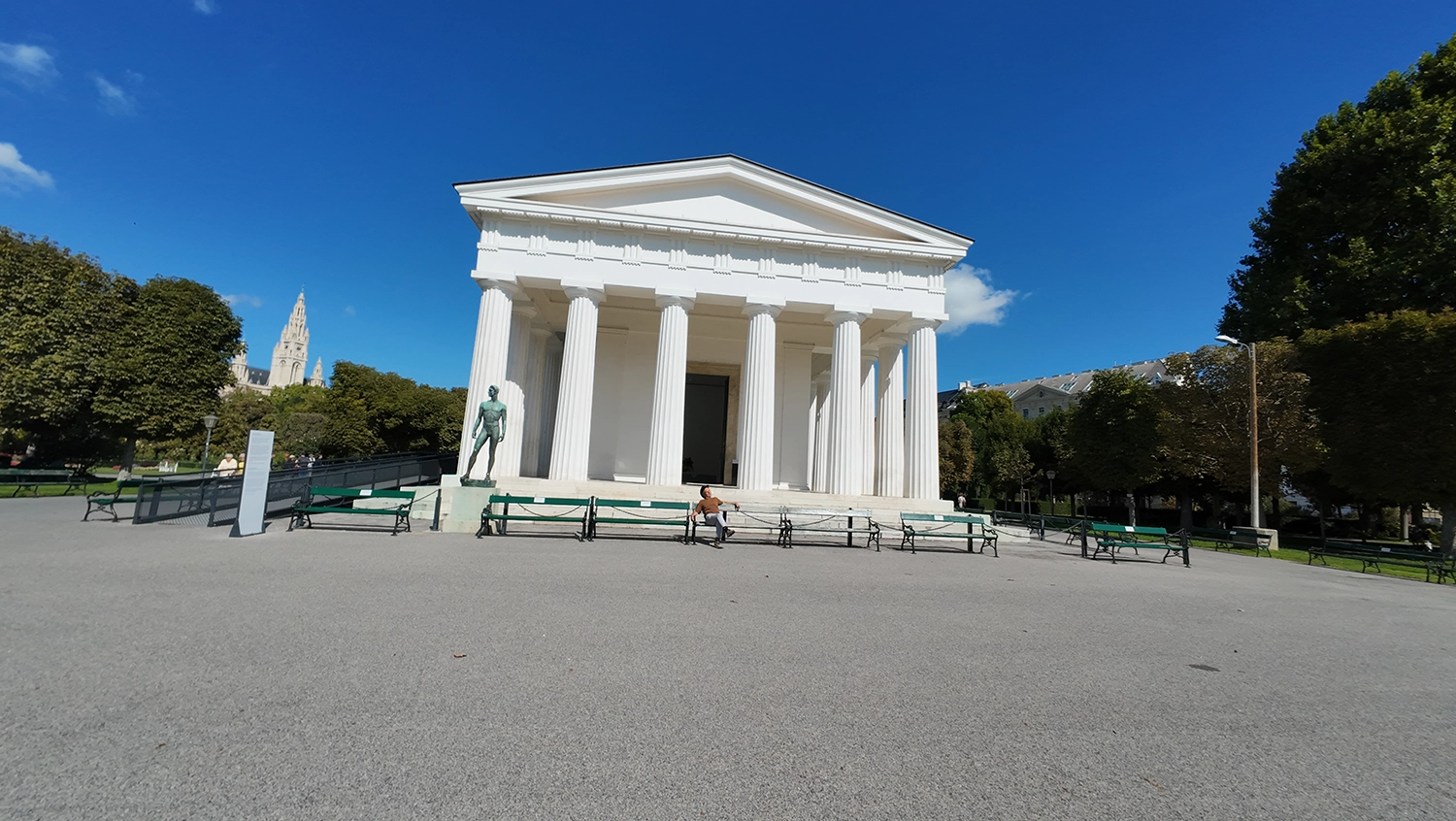
- Volksgarten is a beautifully designed public park in the center of Vienna, situated next to the Hofburg Palace. Opened in 1823, it is celebrated for its elegant rose gardens, featuring over 3,000 bushes in full bloom during the summer months. Designed in a formal French style, the park combines neatly arranged flowerbeds, tree-lined paths, and graceful fountains, creating a tranquil and romantic atmosphere. Among its highlights are the neoclassical Theseus Temple and numerous statues honoring Austrian cultural figures. Popular with both locals and visitors, Volksgarten offers a peaceful escape as well as a glimpse into Vienna’s imperial past, making it a must-visit destination for garden lovers and history enthusiasts alike.
- Augarten is a historic baroque park located in Vienna’s Leopoldstadt district, known for its vast open lawns, tree-lined avenues, and beautifully landscaped gardens. Dating back to the 17th century, it is the city’s oldest baroque park and combines imperial elegance with a relaxed, welcoming atmosphere. Within its grounds stand two striking World War II flak towers, offering a unique contrast to the park’s otherwise peaceful surroundings. Augarten is also home to the Augarten Porcelain Manufactory and the Vienna Boys’ Choir, adding cultural depth to its natural beauty. Popular with walkers, joggers, and families, the park provides both history and tranquility, making it a distinctive green retreat in the heart of Vienna.
The city is a gem not to be missed, give yourself an extra day if possible.
Our tip
Tips – links
Tip: Best viewed on two wheels – Bike is best
Quick facts
- Stay: 1–2 nights
- Best for: History, architecture, culture
- Dog friendly: Good in parks and open spaces
- Booking: Recommended
Zell am See
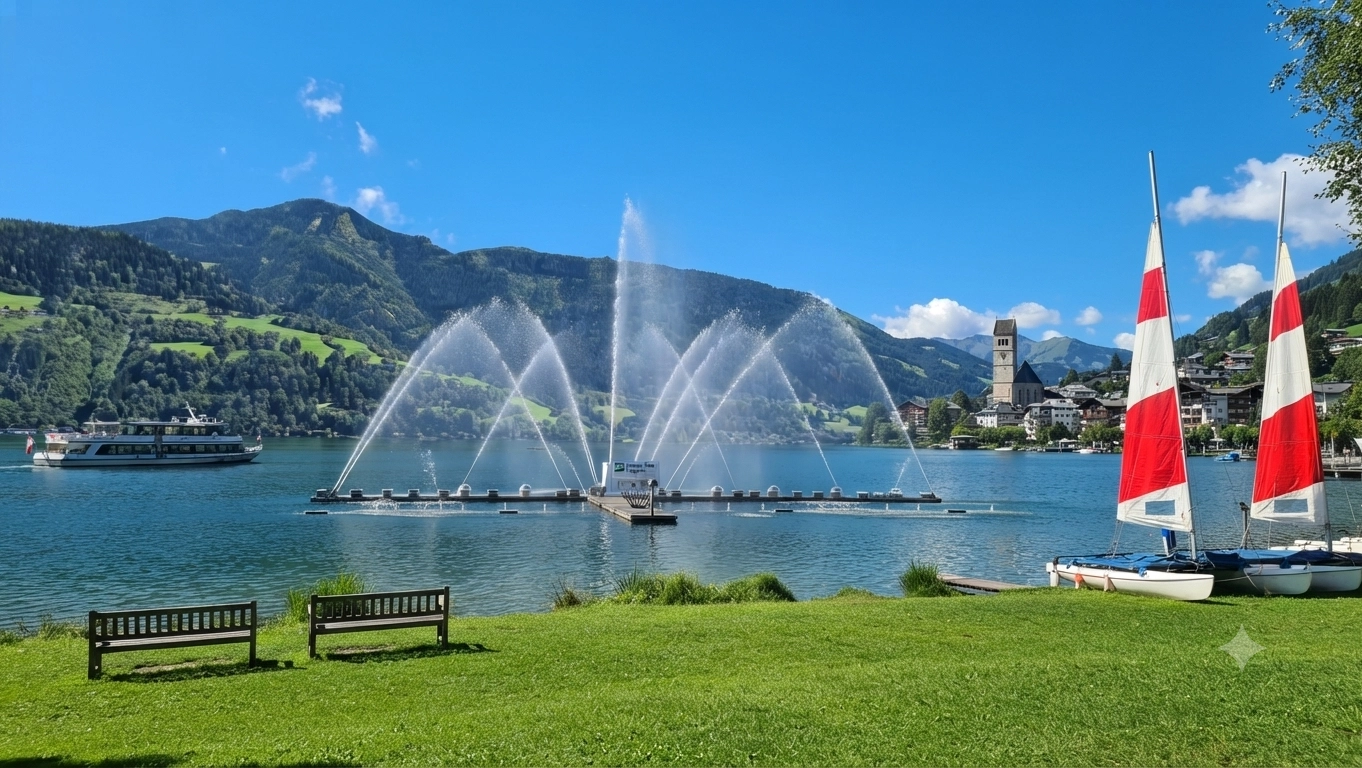
★★★★★ · Lakeside Austria at its most relaxing
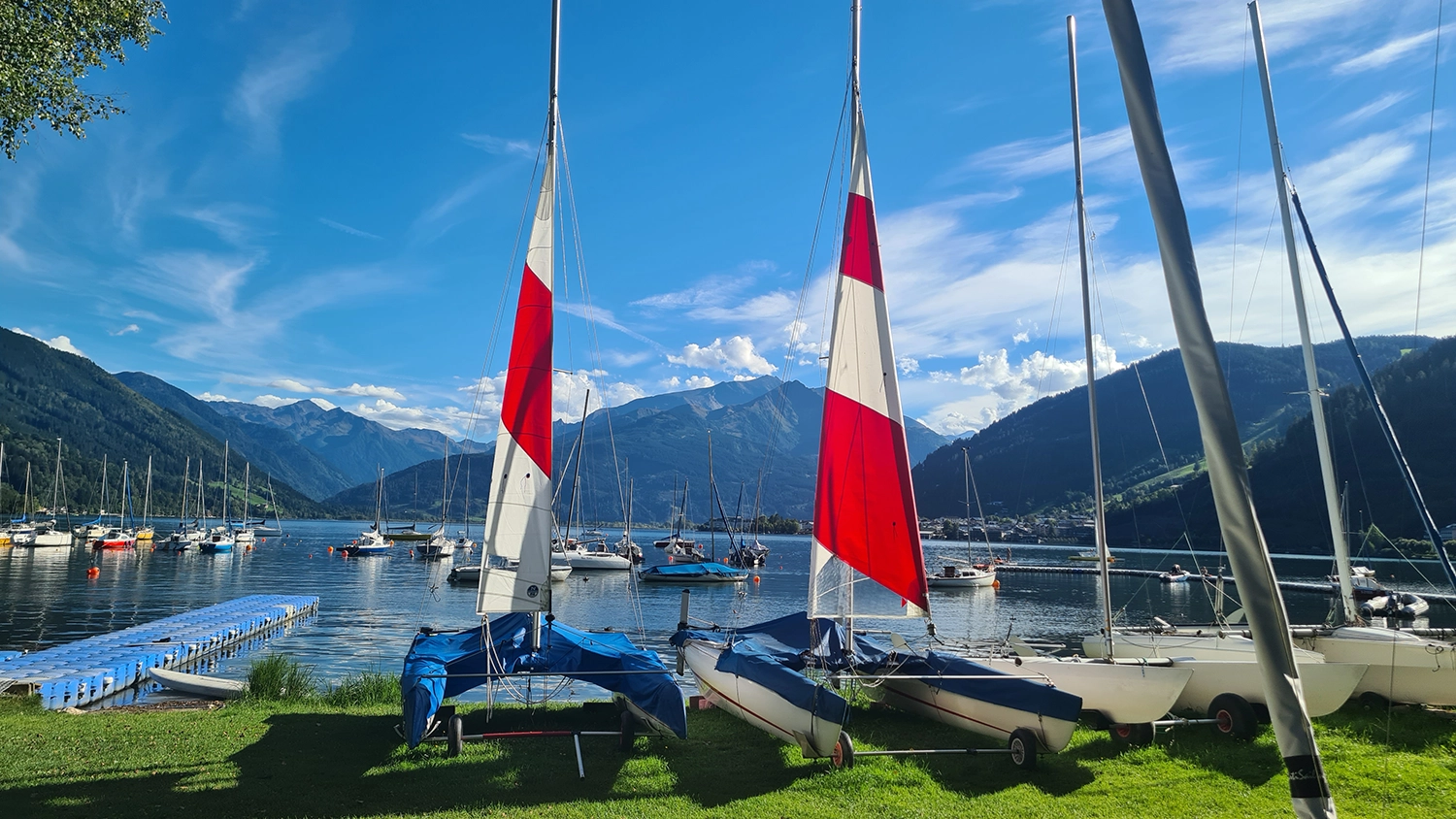
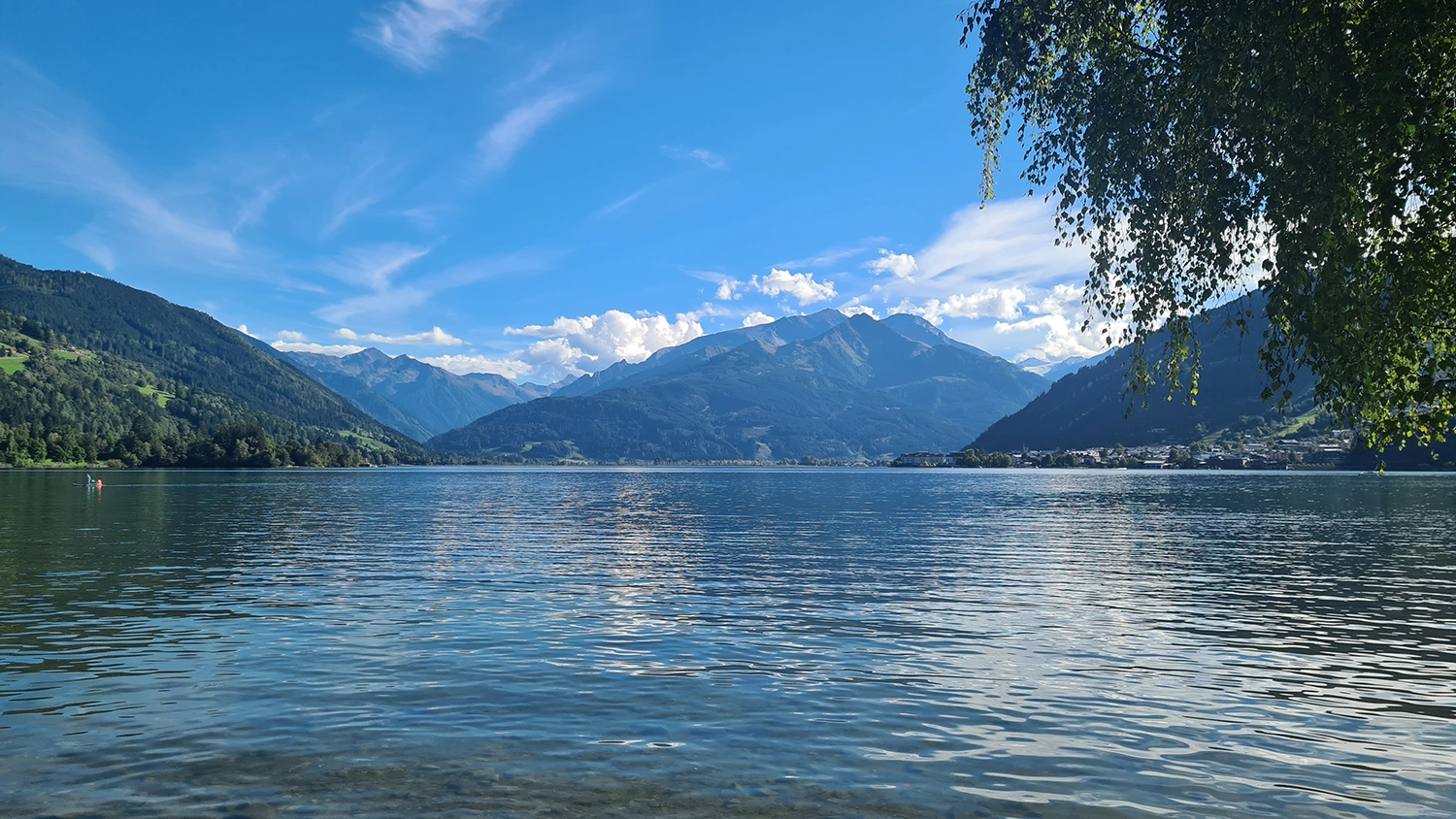
Zell am See is exactly the kind of place that suits a motorhome lifestyle. The lake setting, mountain backdrop and slower pace make it easy to imagine staying longer than planned. It feels scenic without losing practicality, which is a big part of its appeal.
This is the sort of stop where cycling, walking and simply enjoying the setting become just as important as ticking off attractions. It gives the route breathing space and adds that classic Alpine lake atmosphere many travellers are looking for.
About Zell am See
Zell am See, a breathtaking alpine resort town in Salzburg county, combines dramatic mountain landscapes, alpine culture, and a pristine crystal-clear lake. We explored many of its iconic sights on foot and by bike, including the historic town square (Stadtplatz), the 1,000-year-old Vogtturm, the serene lakeside Esplanade, Elisabeth Park, and the scenic slopes of the Schmittenhöhe mountain. With its stunning natural beauty and relaxed atmosphere, Zell am See is a wonderful alpine escape to discover at a leisurely pace.
Where we would stay
Seecamp Zell am See
Campsite review: Seecamp Zell am See is a well-maintained campsite with friendly, helpful staff and spacious pitches. The facilities are modern and impeccably clean, making for a comfortable stay. Its biggest advantage is the stunning lakeside location, offering direct access to the water and serving as an ideal base for cycling and exploring the Zell am See–Kaprun area.
- Best base: An excellent choice for exploring the Zell am See–Kaprun area, with easy cycle routes and stunning lakeside paths.
- Facilities: Well-suited for a comfortable stay, offering modern amenities needed after long days exploring.
- Dog friendly: A great location for dog walks, featuring direct access to the water and plenty of green space nearby.
- Would we return? Yes—it would be a fantastic stop on a longer Alpine or European touring route.
Nearby attractions
The best campsite – Seecamp Zell am See
We spent three wonderful nights at Camping Seecamp Zell am See, right on the north shore of Lake Zell with unforgettable lakeside views. It’s an ideal, convenient spot for cycling, offering easy rides to local parks, the supermarket, and around the Zell am See–Kaprun area. The facilities are modern, impeccably clean, and the on-site restaurant is a great bonus after a day of exploring.
A well-maintained lakeside campsite located on the shores of Lake Zell in Zell am See, Austria. It offers comfortable pitches with electricity, modern facilities, and stunning alpine views. With local attractions and cycle paths just a short ride away, it is the perfect base for exploring the region by bike or foot.
Top tips when visiting
- Leverage Public Transport and Visitor Passes: Take advantage of local buses using free visitor passes, or walk and cycle into Zell am See town center in about 30 minutes to avoid parking hassles.
- Pack Earplugs for Road Proximity: Because parts of the campsite sit close to the main coastal road, bringing earplugs can ensure a peaceful night’s sleep against occasional traffic noise.
- Plan Around Peak Check-in Times: Reception can experience heavy queues during traditional arrival rushes, so aim to arrive early or outside peak hours for a smoother check-in.
- Get the SalzburgerLand Card: Consider picking up a 6 or 12-day card for free or discounted entry to regional sights, museums, and local transport options.
- Explore Lake Zell and Beyond: Make the most of your lakeside location by trying out nearby water sports, taking a boat cruise, or heading up the Schmittenhöhe cable car for panoramic alpine views.
Seecamp Zell am See is a true gem and well worth taking the time to explore. If possible, allow yourself an extra day so you can enjoy the lakeside campsite and the surrounding alpine region at a relaxed pace and discover more of what it has to offer.
Top places to see – more details
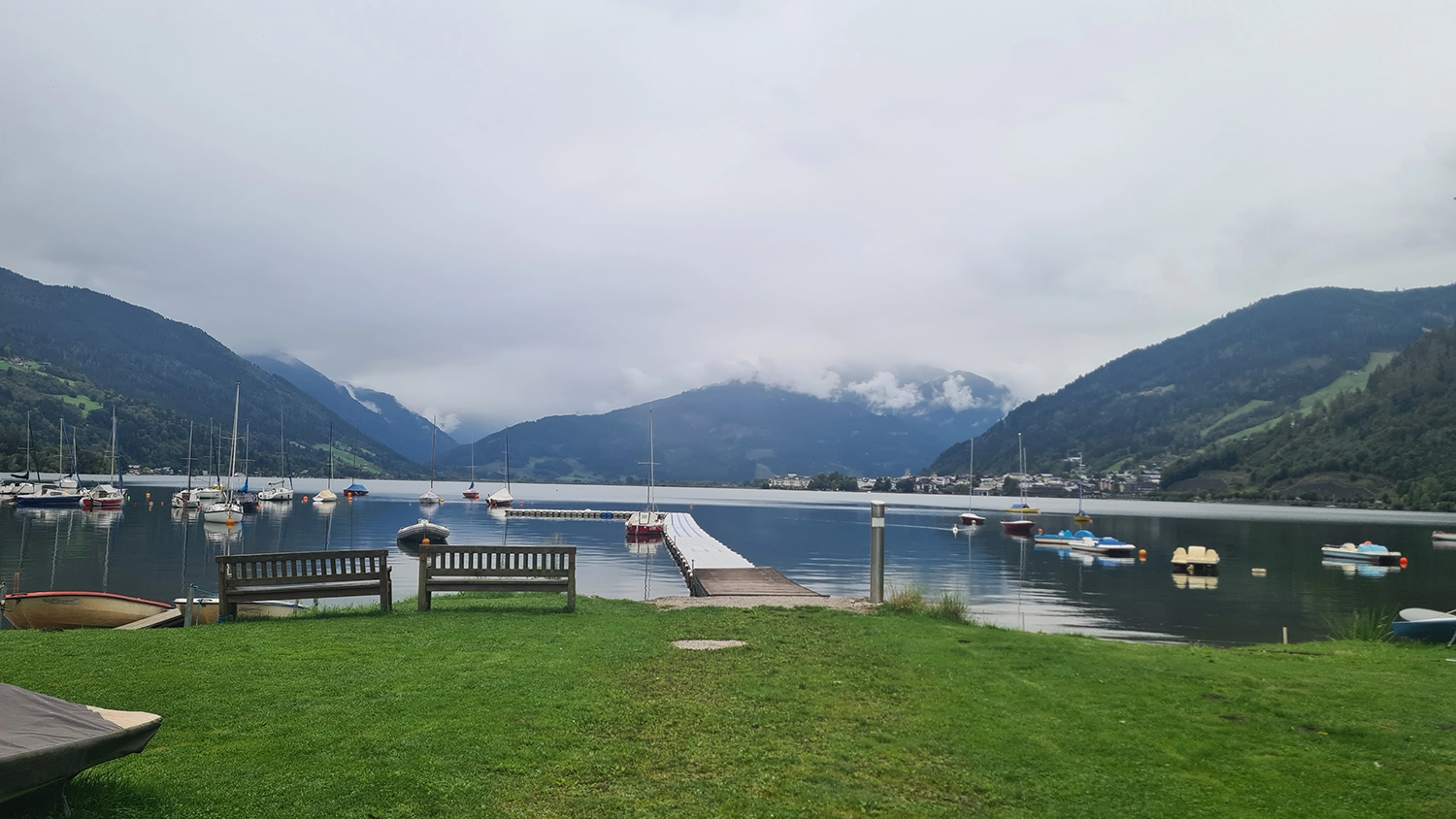
- Lake Zeller See is a breathtaking alpine lake located in the town of Zell am See, offering a serene escape surrounded by majestic mountains. Its crystal-clear waters and stunning natural backdrop make it one of Austria’s most picturesque destinations.
- Once vital for trade and fishing, the lake has become a beloved recreational hub, attracting visitors year-round. In summer, its promenades and cycling paths invite leisurely strolls and scenic bike rides, while swimming, boating, and paddleboarding are popular on the water. In winter, the surrounding peaks transform into a snowy wonderland, with the lake adding to the region’s charm.
- Beautifully maintained lakeside parks and walking routes allow visitors to relax, enjoy a picnic, or simply take in the panoramic views of the mountains mirrored on the water. The area also features boat cruises, which provide unique perspectives of Zell am See and its surrounding landscapes.
- Cultural touches can be found in the town’s historic center nearby, making it easy to combine a visit to Lake Zeller See with explorations of charming streets, alpine architecture, and traditional Austrian cafés. Whether you’re seeking outdoor activities, tranquil relaxation, or postcard-worthy views, Lake Zeller See is a must-visit destination that perfectly showcases the beauty of Austria’s alpine regions.
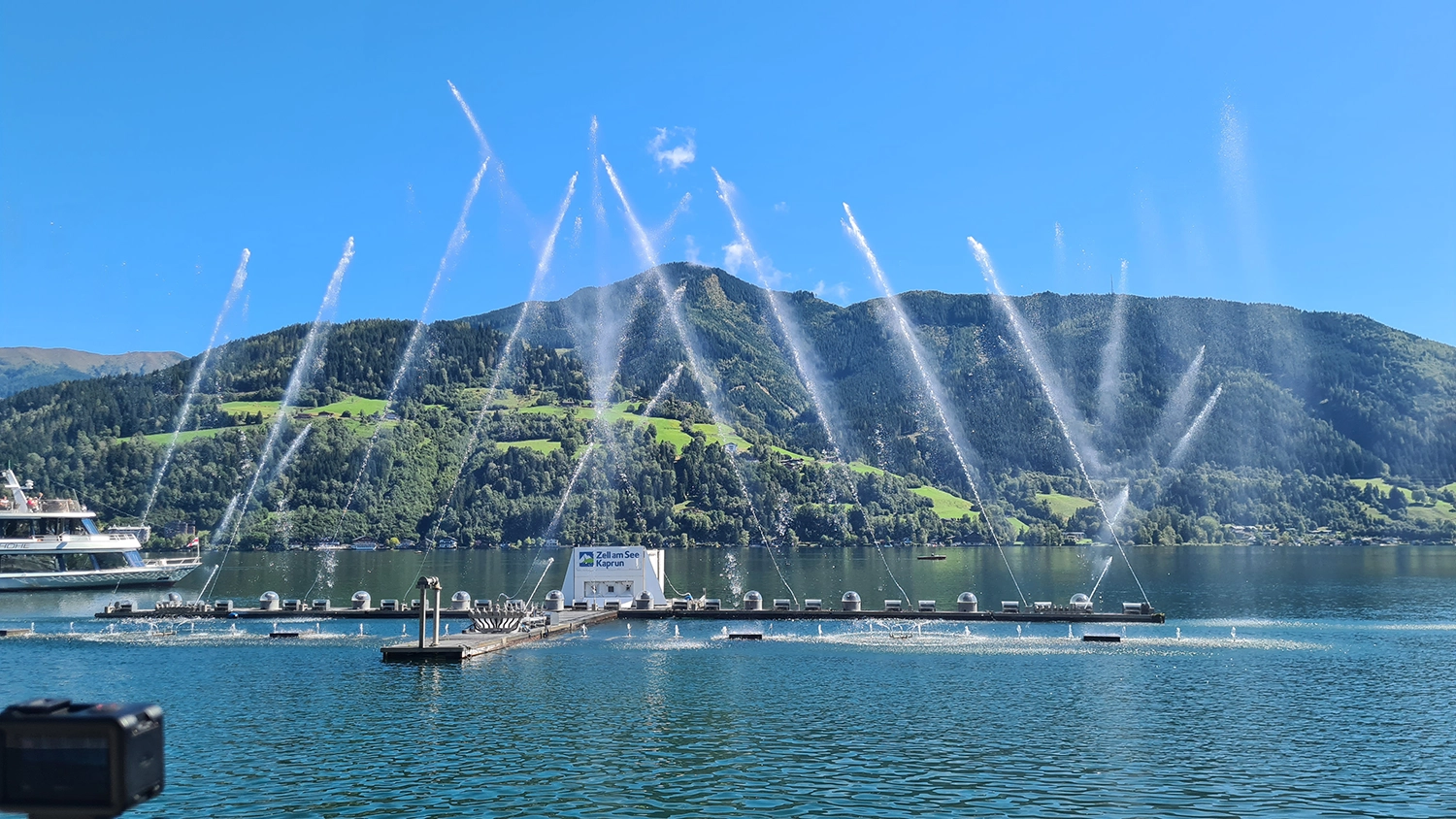
- The Zell am See Wasserspiele is a spectacular water, light, and music show held on the shores of Lake Zeller See. Set against the dramatic backdrop of the Alps and shimmering lake waters, this evening attraction brings a magical atmosphere to the heart of Zell am See.
- The show features choreographed fountains that dance to music, illuminated by vibrant lights that reflect beautifully on the surface of the lake. Each performance combines sound, color, and movement, creating an unforgettable display that appeals to visitors of all ages.
- Running from late spring to early autumn, the Wasserspiele takes place several times a week at Elisabethpark, right by the lakeside promenade. It’s free to watch and easily accessible, making it a popular evening activity after a day of sightseeing, cycling, or relaxing by the lake.
- Many visitors enjoy bringing a picnic or simply sitting on a bench along the promenade to experience the enchanting display, often timed perfectly with the sunset over the surrounding mountains. The Zell am See Wasserspiele is more than just a fountain show – it’s a celebration of nature, culture, and community spirit that adds a touch of magic to the lakeside town.
- Thumersbach Park is a charming lakeside retreat located on the quieter eastern shore of Lake Zeller See, offering stunning views across the water toward the town of Zell am See and the surrounding mountains. Known for its relaxing atmosphere and natural beauty, it’s a favorite spot for both locals and visitors seeking a peaceful escape.
- The park features spacious green lawns, shady trees, and a welcoming promenade along the lake. In summer, it becomes a lively yet tranquil place to sunbathe, swim, or enjoy a picnic by the water. A well-maintained bathing area with direct lake access makes it especially popular for families, while the panoramic views of the Hohe Tauern mountains create a picture-perfect backdrop.
- Cyclists and walkers often include Thumersbach Park as a stop along the scenic path that circles Lake Zeller See, making it an ideal place to rest and take in the alpine surroundings. The park also hosts cultural events and small gatherings during the warmer months, adding to its community charm.
- Whether you come to swim, stroll, or simply relax on the grass with a view of Zell am See across the water, Thumersbach Park offers a serene lakeside experience that highlights the best of Austria’s alpine beauty.
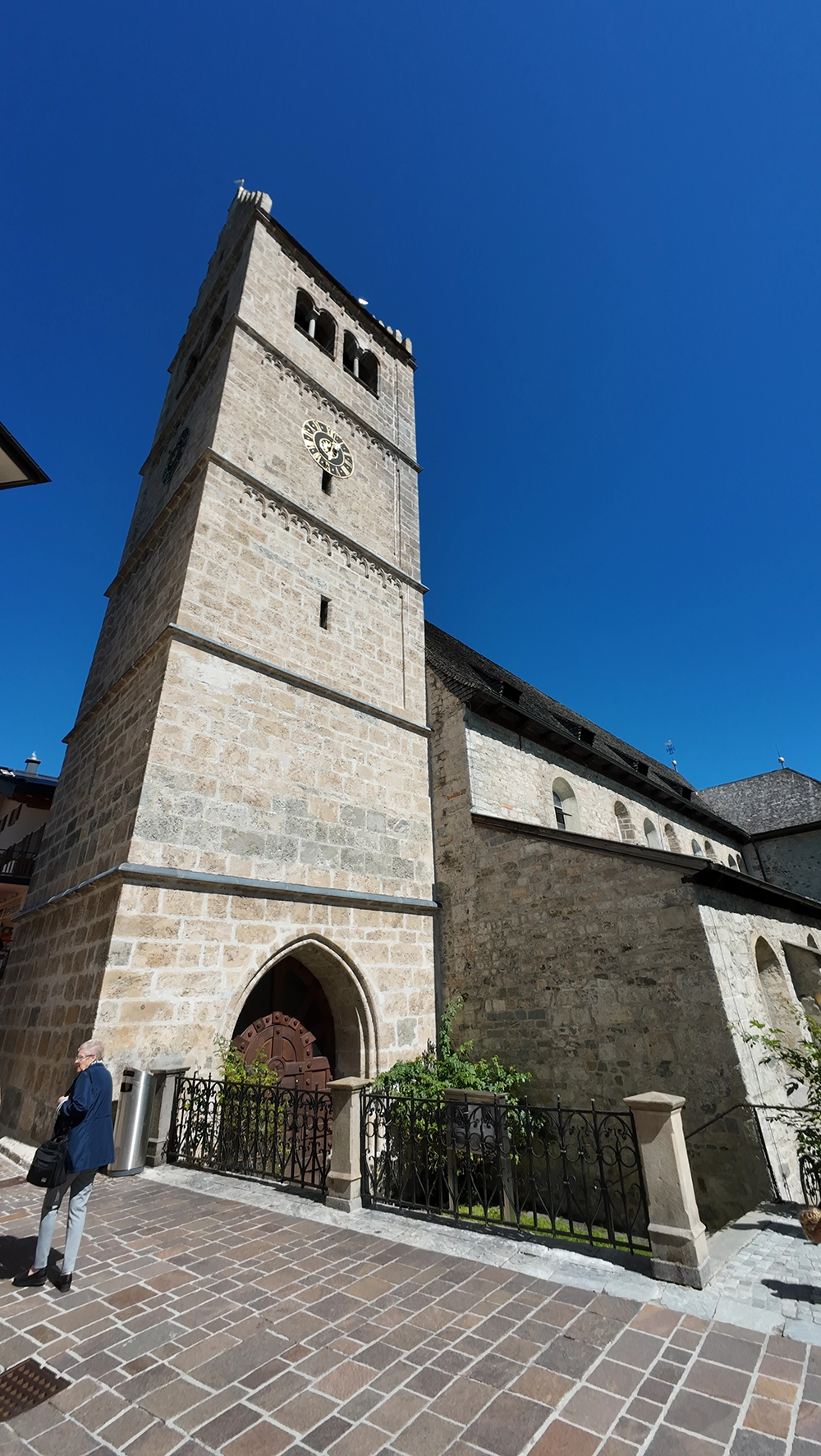
- St. Hippolyt Parish Church is one of Zell am See’s most significant landmarks, standing proudly in the town center with a history dating back over 1,000 years. Dedicated to St. Hippolytus, the church reflects the rich cultural and religious heritage of the region and remains an important place of worship and community life today.
- Originally built in the early Middle Ages, the church has undergone several transformations throughout the centuries, blending Romanesque foundations with Gothic and later architectural influences. Its tall stone tower, visible from much of the town, is one of Zell am See’s defining features and a reminder of its long-standing history.
- Inside, visitors can admire impressive frescoes, vaulted ceilings, and detailed altars that reflect centuries of craftsmanship. The peaceful atmosphere makes it a perfect place for quiet reflection, while its cultural significance draws history enthusiasts and architecture lovers alike.
- Thanks to its central location, a visit to St. Hippolyt is easy to combine with a stroll through Zell am See’s charming old town or a walk along the lakeside promenade. Whether you are interested in history, architecture, or simply wish to experience a piece of Zell am See’s spiritual heritage, St. Hippolyt Parish Church is well worth a visit.
- The park features spacious green lawns, shady trees, and a welcoming promenade along the lake. In summer, it becomes a lively yet tranquil place to sunbathe, swim, or enjoy a picnic by the water. A well-maintained bathing area with direct lake access makes it especially popular for families, while the panoramic views of the Hohe Tauern mountains create a picture-perfect backdrop.
- Cyclists and walkers often include Thumersbach Park as a stop along the scenic path that circles Lake Zeller See, making it an ideal place to rest and take in the alpine surroundings. The park also hosts cultural events and small gatherings during the warmer months, adding to its community charm.
- Whether you come to swim, stroll, or simply relax on the grass with a view of Zell am See across the water, Thumersbach Park offers a serene lakeside experience that highlights the best of Austria’s alpine beauty.
- Elisabethpark is a beautiful lakeside park located at the southern end of Zell am See’s promenade, offering one of the most scenic and peaceful spots in town. Named in honor of Empress Elisabeth of Austria (Sisi), the park combines history, relaxation, and stunning alpine views.
- The centerpiece of the park is the statue of Empress Elisabeth, a graceful monument surrounded by manicured lawns, flowerbeds, and benches. With its open views across Lake Zeller See and the surrounding mountains, it’s a perfect place to pause, take photos, or simply enjoy the natural beauty of the region.
- Elisabethpark is also the main setting for the popular Zell am See Wasserspiele (water, light, and music fountain shows), which bring the lakeside to life on summer evenings. During the day, visitors often come here to stroll along the promenade, enjoy a picnic, or watch the boats drifting across the lake.
- Thanks to its central location, Elisabethpark is easy to reach from the old town and is often included in sightseeing walks around Zell am See. Whether you’re here for a peaceful rest, to admire the Empress Elisabeth monument, or to experience the magical evening fountain shows, Elisabethpark is one of the town’s most charming attractions.
- Seecamp Zell am See is a welcoming lakeside campsite located directly on the northern shore of Lake Zeller See, offering visitors a perfect combination of relaxation, nature, and outdoor adventure. With its stunning views of the surrounding Alps and direct lake access, it’s a favorite destination for campers, families, and travelers exploring the Zell am See–Kaprun region.
- The campsite provides modern facilities, spacious pitches, and a variety of accommodation options, from traditional camping areas to comfortable mobile homes. Guests can enjoy a private bathing beach, a lakeside restaurant, and easy access to cycling and walking paths that circle the lake.
- Seecamp is also an ideal base for outdoor activities year-round. In summer, the lake invites swimming, paddleboarding, and boating, while the nearby mountains offer hiking trails and panoramic viewpoints. In winter, Zell am See’s ski slopes are just a short distance away, making it a versatile destination for all seasons.
- With its dog-friendly environment, family-oriented amenities, and unbeatable lakeside location, Seecamp Zell am See combines the freedom of camping with the beauty of Austria’s alpine landscapes. Whether you’re seeking adventure or relaxation, it’s a perfect spot to experience the charm of Zell am See up close.
The city is a gem not to be missed, give yourself an extra day if possible.
- Lake Zella See
- Zell am See Wasserspiele
- Thumersbach Park
- St. Hippolyt Parish Church
- Elisabethpark
- Seecamp Zell am See
- Stunning alpine scenery: A breath-taking combination of the crystal-clear Lake Zell and surrounding majestic mountain peaks.
- Outdoor adventure hub: An exceptional base for lakeside cycling, valley trails, and scenic alpine walking routes.
- Relaxed lakeside pace: A tranquil, laid-back atmosphere offering a refreshing contrast to busier, larger city destinations.
- Pet-friendly environment: Excellent accessibility for dogs with plenty of open shoreline paths, walking trails, and welcoming outdoor spaces.
Our tip
Tips – links
Tip: Best viewed on two wheels – Bike is best
Quick facts
- Stay: 1–2 nights
- Best for: History, architecture, culture
- Dog friendly: Good in parks and open spaces
- Booking: Recommended
Innsbruck
About Innsbruck
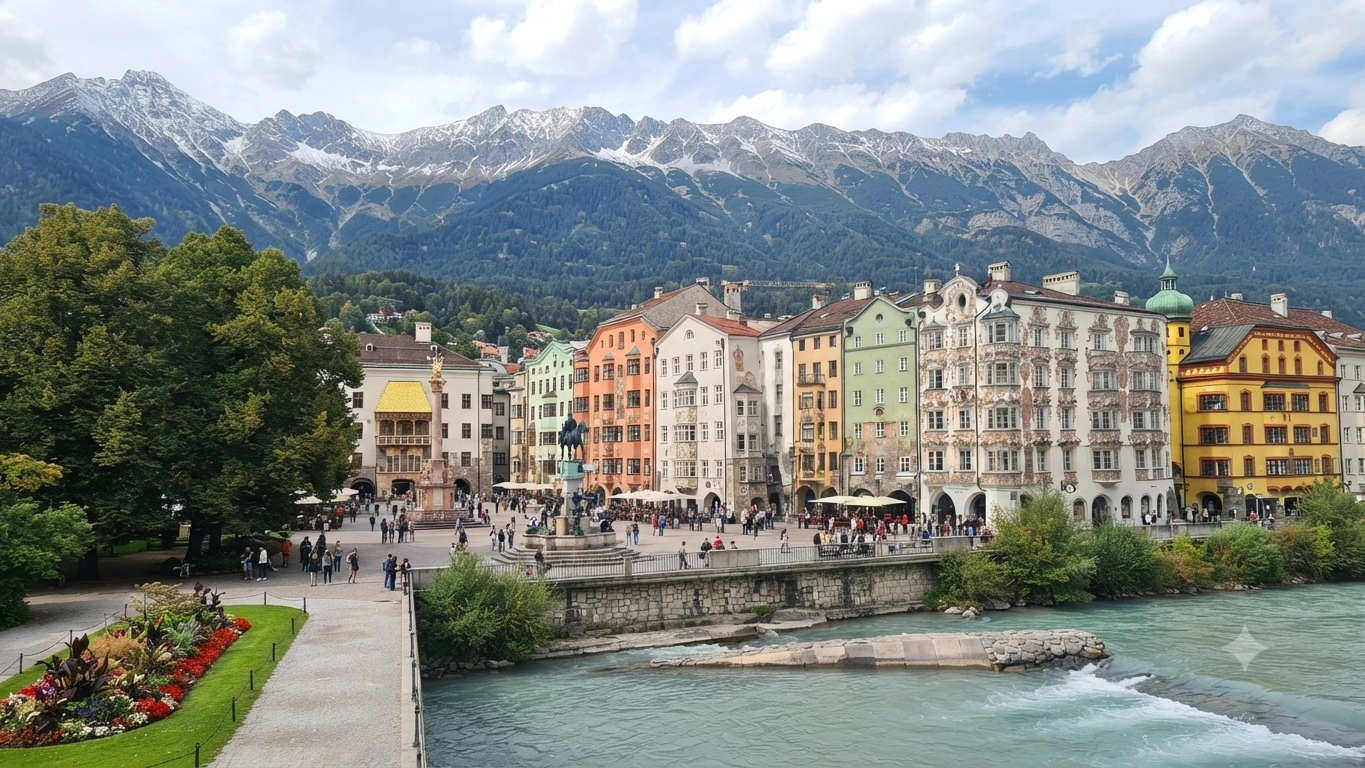
Innsbruck is one of those places where the setting does a lot of the talking. Surrounded by dramatic Alpine peaks, it combines a lively historic centre with easy access to mountain scenery, making it feel both cultured and adventurous at the same time.
The city works especially well for motorhome travellers who want a stop that mixes urban comfort with outdoor appeal. You can spend part of the day wandering through the old town and then shift quickly into cable car views, riverside walks or wider Tyrolean scenery.
It is also a practical base if approached sensibly. Staying just outside the busiest areas makes the visit far more relaxed, letting you enjoy Innsbruck for its atmosphere, mountain backdrop and easy day-out potential rather than treating it as a driving challenge.
★★★★★ · Mountain city atmosphere with a strong Alpine backdrop
Innsbruck gives you that appealing combination of city convenience and mountain character. It feels more immediately Alpine than Vienna, while still offering the comfort of a proper urban stop with cafés, architecture and easy access to surrounding scenery.
As a motorhome stop, it works best when treated as a base rather than somewhere to drive around extensively. Stay well, explore lightly and enjoy the contrast between city streets and the mountains rising around them.
Where we would stay
Camping Hall in Tirol
Campsite review: A strong base for visiting Innsbruck, giving you easier access to the city while keeping the stay more relaxed and scenic than parking close to the centre.
- Location: Good access for city visits and wider Tyrol exploring
- Views: Alpine surroundings and a more peaceful setting
- Motorhome access: Better as a base than trying to navigate the city itself
- Dog friendly: Good for combining city time with outdoor walks
- Would we stay again? Yes
Nearby attractions
- Old Town and Golden Roof area
- Mountain viewpoints and cable car access
- Tyrolean scenery beyond the city
The best campsite – Camping Hall in Tirol
Camping Hall in Tirol is a peaceful base with stunning mountain views, just a short bike ride from Innsbruck. While some facilities were out of order during our stay, the free WiFi, flexible self-pitching, and unbeatable location make it a convenient, high-potential spot for combining city visits with outdoor exploring.
For a stay around Innsbruck, choosing a spot like Camping Hall in Tirol makes far more sense than trying to stay dead-centre. You keep the true Alpine atmosphere, gain plenty of breathing space, and can easily pedal into the city whenever it suits you before returning to a relaxed, peaceful retreat for the evening. Yes the site isn’t the best, however the location is perfect.
Top Tips When Visiting
- Use Innsbruck as a base for both city time and mountain scenery rather than trying to rush through it in a single stop.
- Stay outside the centre where access is easier, then head in on foot, by bike or public transport where possible.
- Allow time for the mountain viewpoints because they are a big part of what makes Innsbruck memorable.
- If travelling with a dog, balance the city visit with greener walks and quieter outdoor spaces nearby.
Innsbruck is one of Austria’s most balanced stops, combining scenery, atmosphere and practicality in a way that suits a well-paced motorhome route.
Top places to see – more details
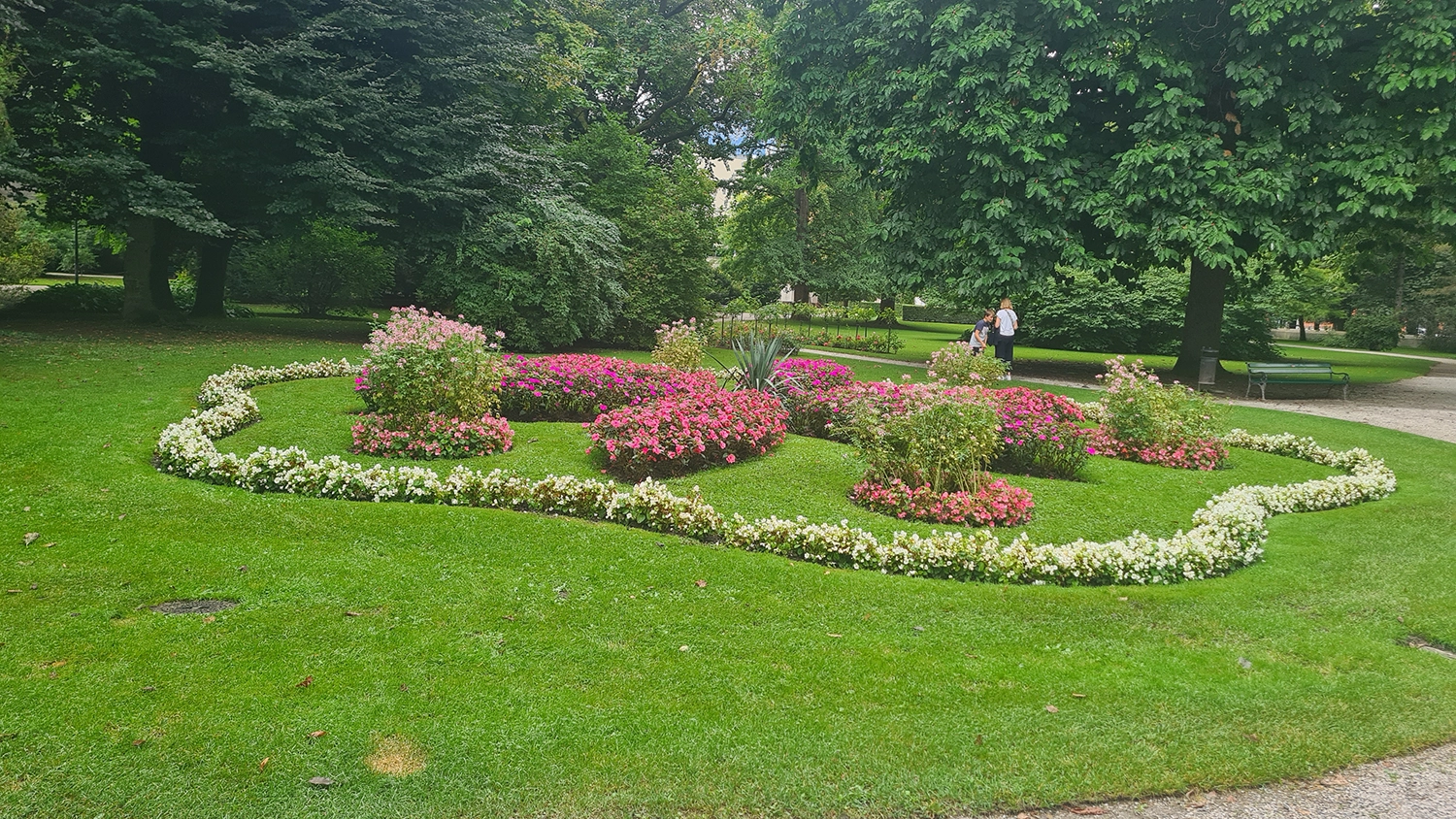
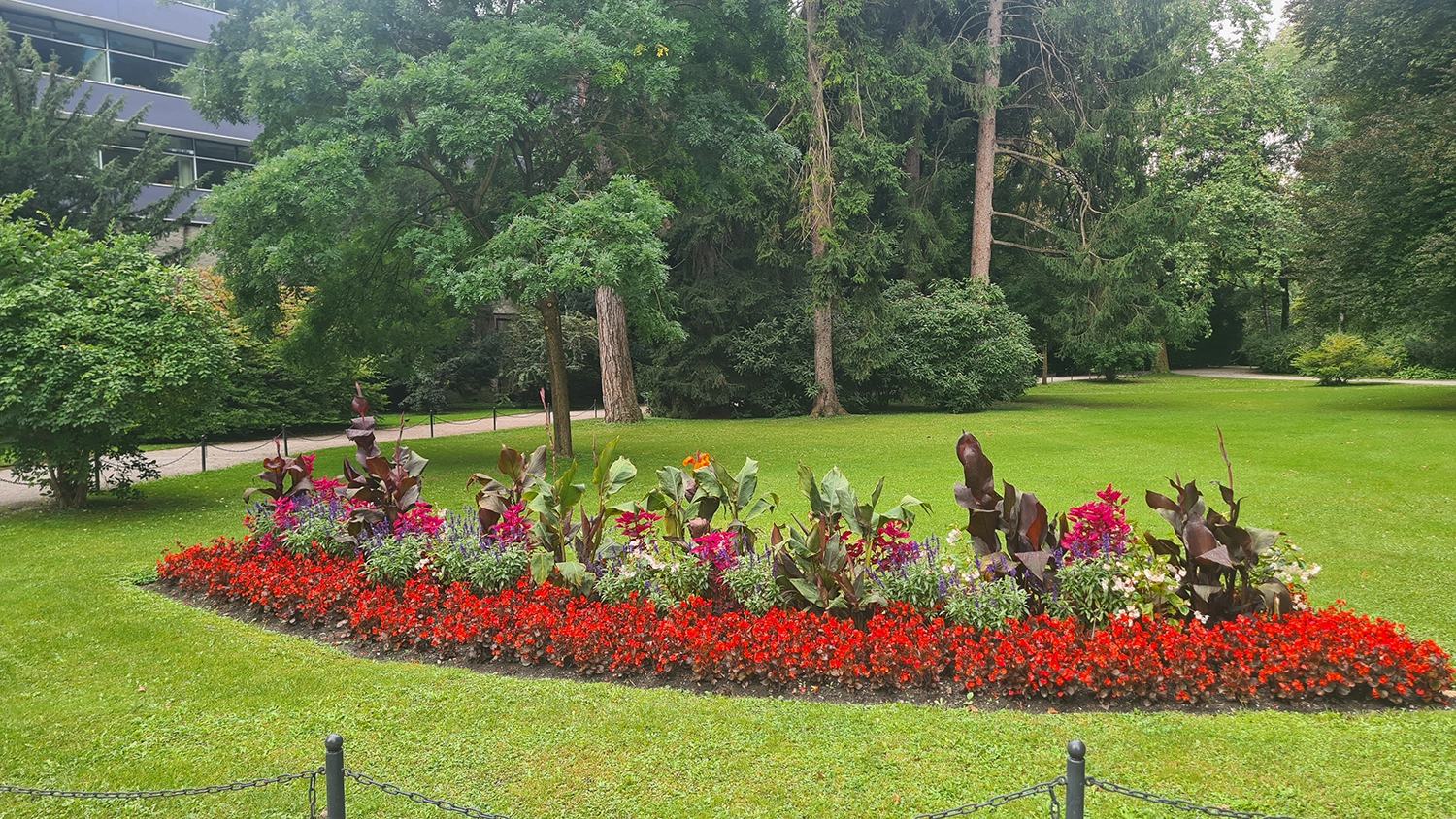
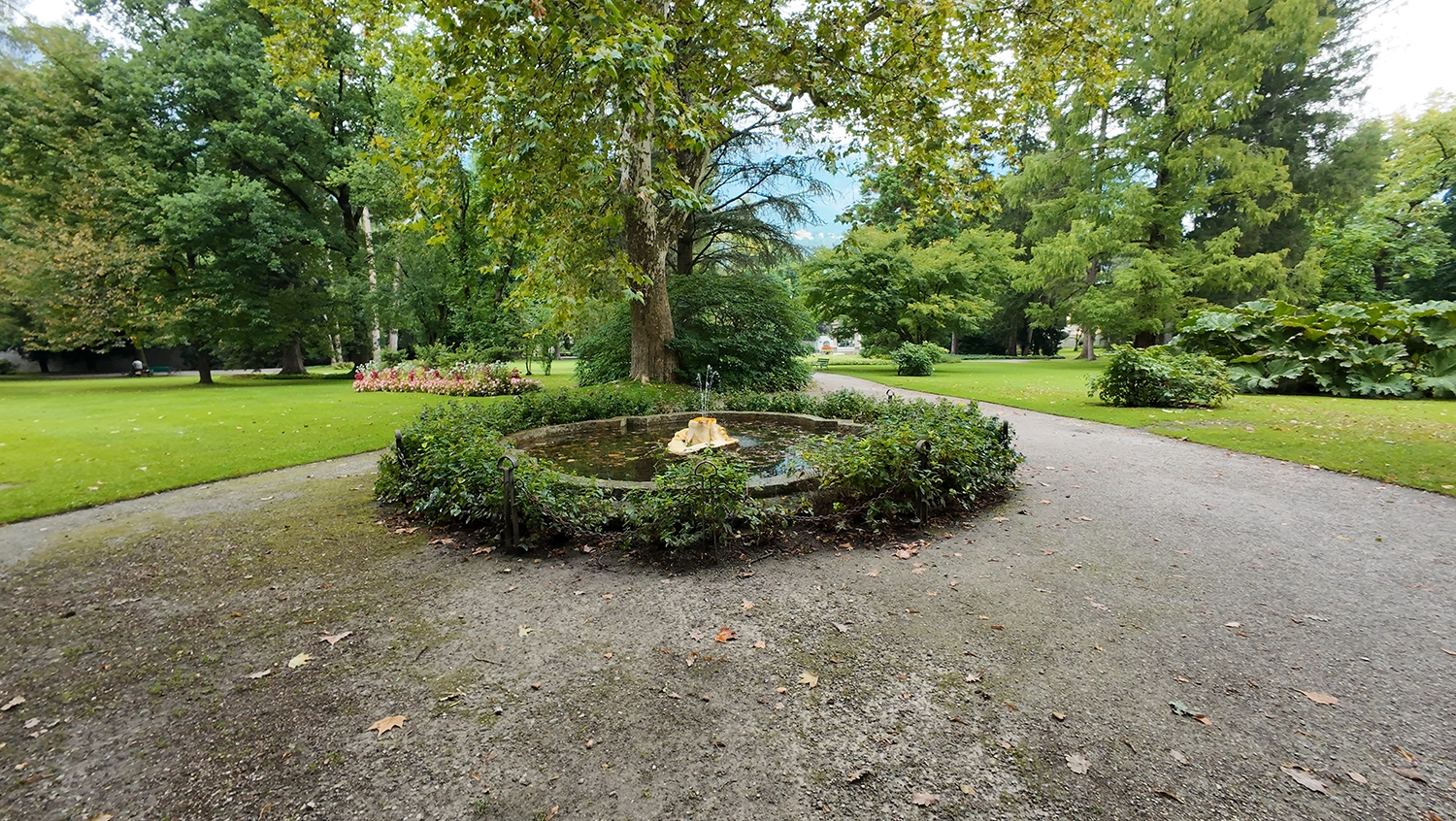
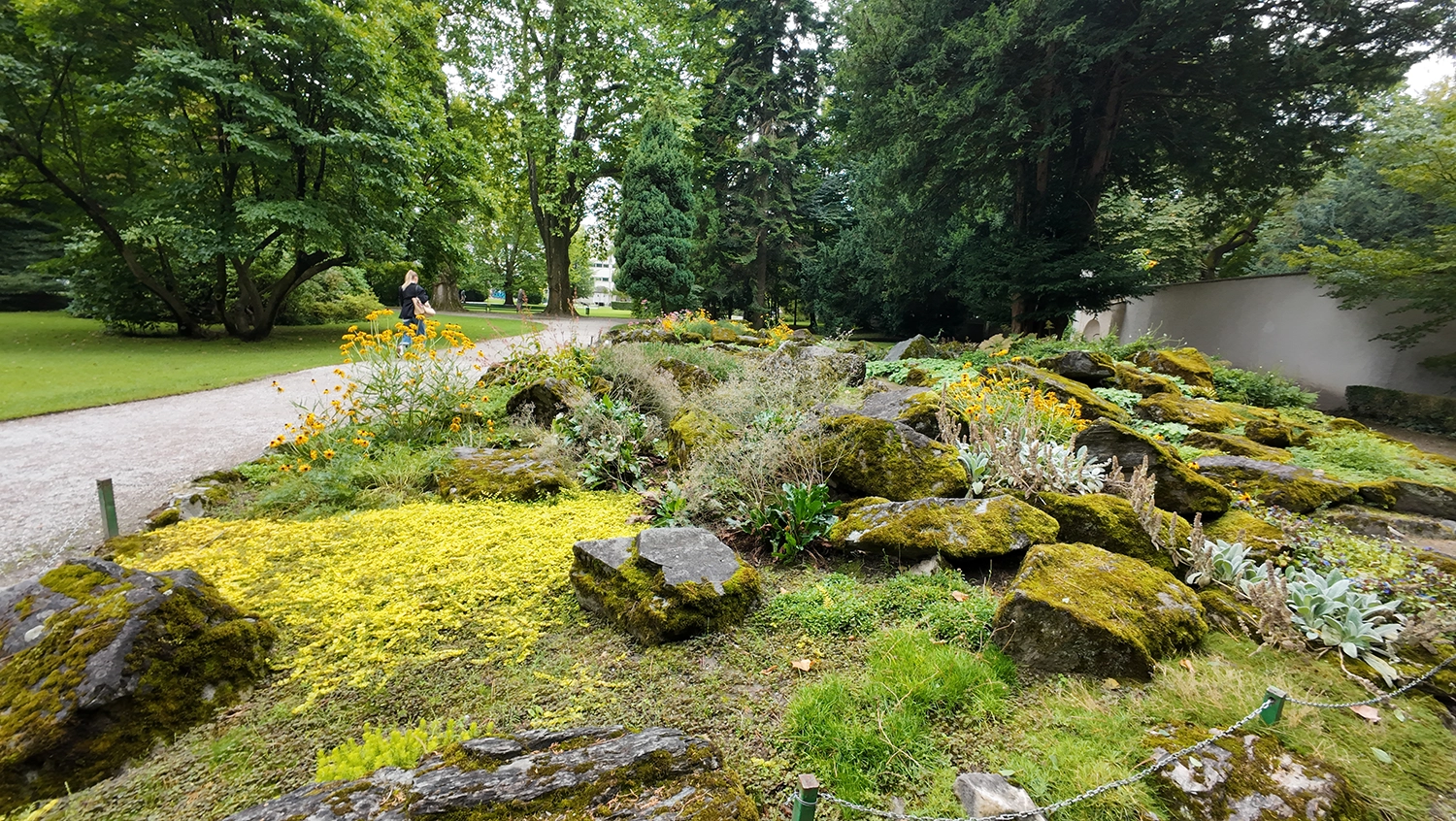
- The Innsbrucker Hofgarten, located in the heart of Innsbruck, Austria, is a beautifully preserved historic garden that offers a tranquil escape amid the city’s vibrant atmosphere. Originally designed as a Renaissance garden for Archduke Ferdinand II in the 16th century, it has evolved into one of Innsbruck’s most cherished green spaces. The park features elegant tree-lined paths, ornate flowerbeds, charming pavilions, and a picturesque pond, creating a perfect setting for leisurely strolls or quiet relaxation. Surrounded by the backdrop of the majestic Nordkette mountains, the Hofgarten harmoniously blends history, nature, and beauty. It remains a beloved spot for both locals and visitors seeking peace, shade, and a touch of imperial elegance.
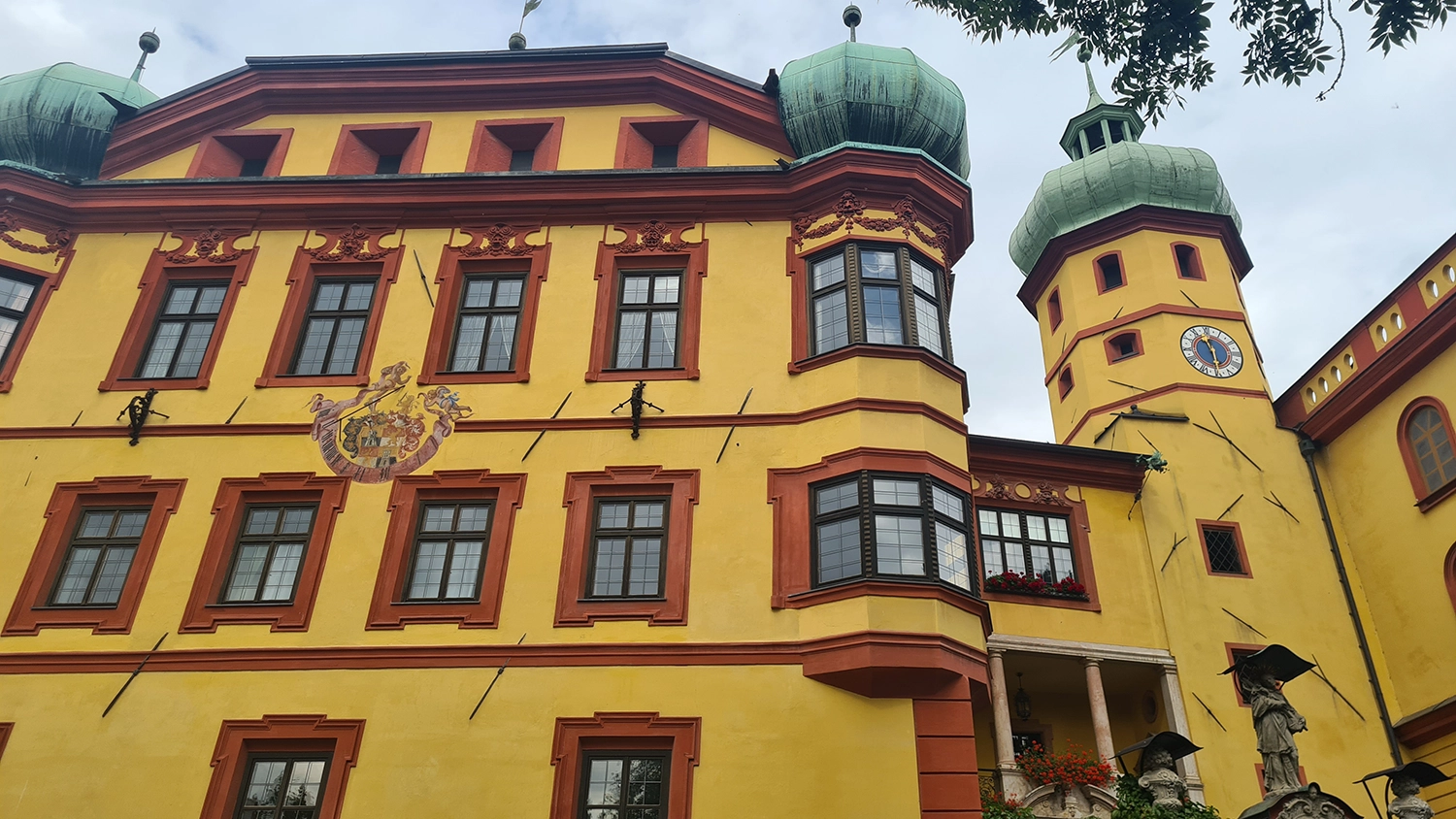
- Schloss Büchsenhausen, situated in Innsbruck, Austria, is a charming Baroque-style palace with a rich historical and cultural legacy. Originally built in the 17th century, the castle once served as a noble residence and later became an important center for art and scholarship. Today, it houses the Künstlerhaus Büchsenhausen, an international fellowship program and exhibition space that supports contemporary artists, curators, and theorists. Set against the stunning backdrop of the Tyrolean Alps, the palace and its surrounding gardens exude a peaceful atmosphere that inspires creativity and reflection. With its blend of history, architecture, and modern artistic spirit, Schloss Büchsenhausen stands as a unique cultural landmark in Innsbruck.
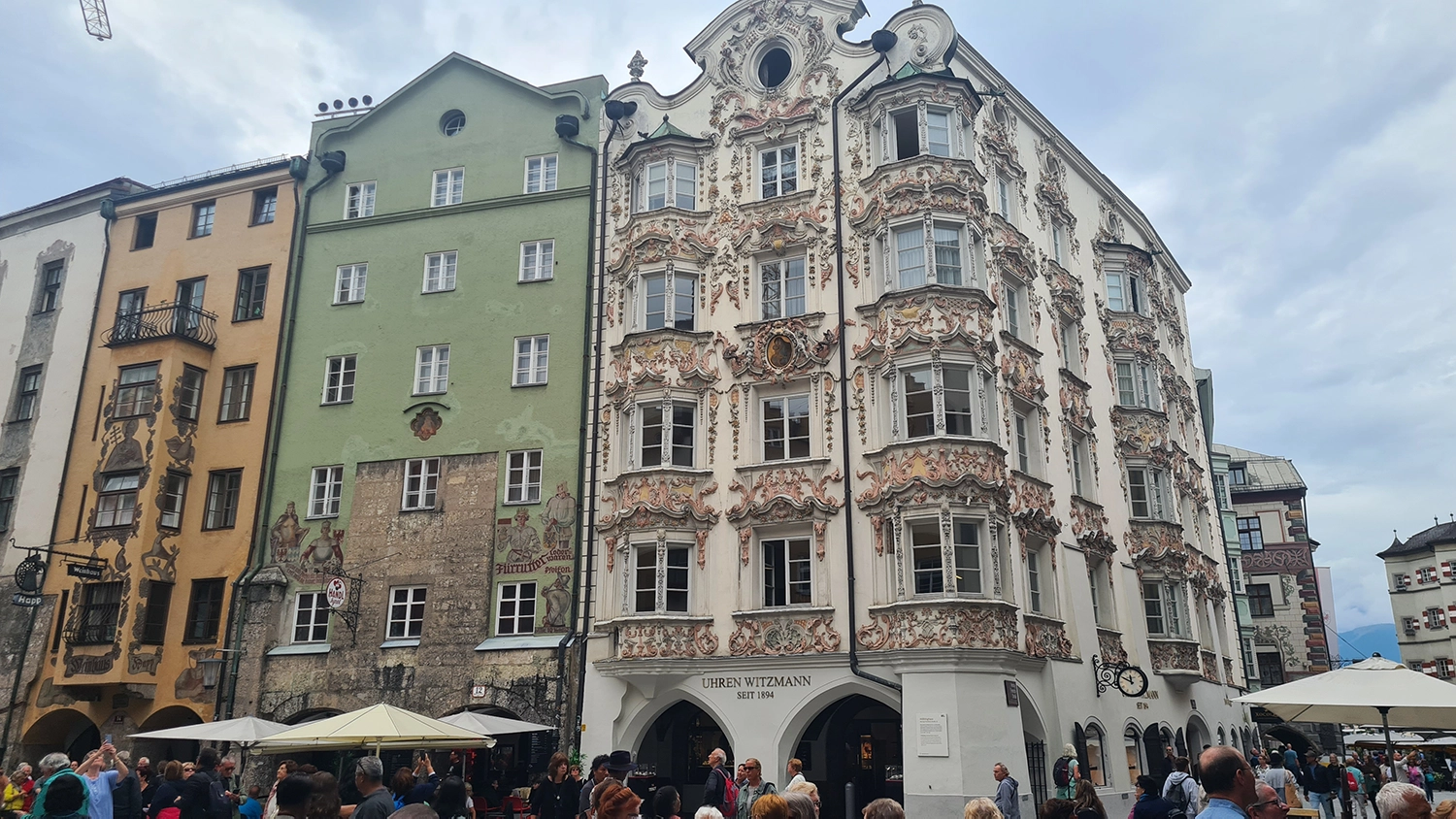
- The Golden Roof, or Goldenes Dachl, is one of Innsbruck’s most iconic landmarks and a symbol of the city’s rich history. Built in the early 16th century for Emperor Maximilian I, the ornate balcony features 2,657 gilded copper tiles that shimmer in the sunlight, creating a stunning visual display. Originally constructed to serve as a royal viewing platform for festivals and tournaments in the square below, the Golden Roof also showcases intricate reliefs and frescoes depicting scenes from the emperor’s life. Today, it houses a small museum that offers insight into Maximilian’s reign and Innsbruck’s medieval past. Set against the backdrop of the Old Town’s colourful façades and alpine scenery, the Golden Roof remains a must-see attraction for visitors exploring the heart of Innsbruck.
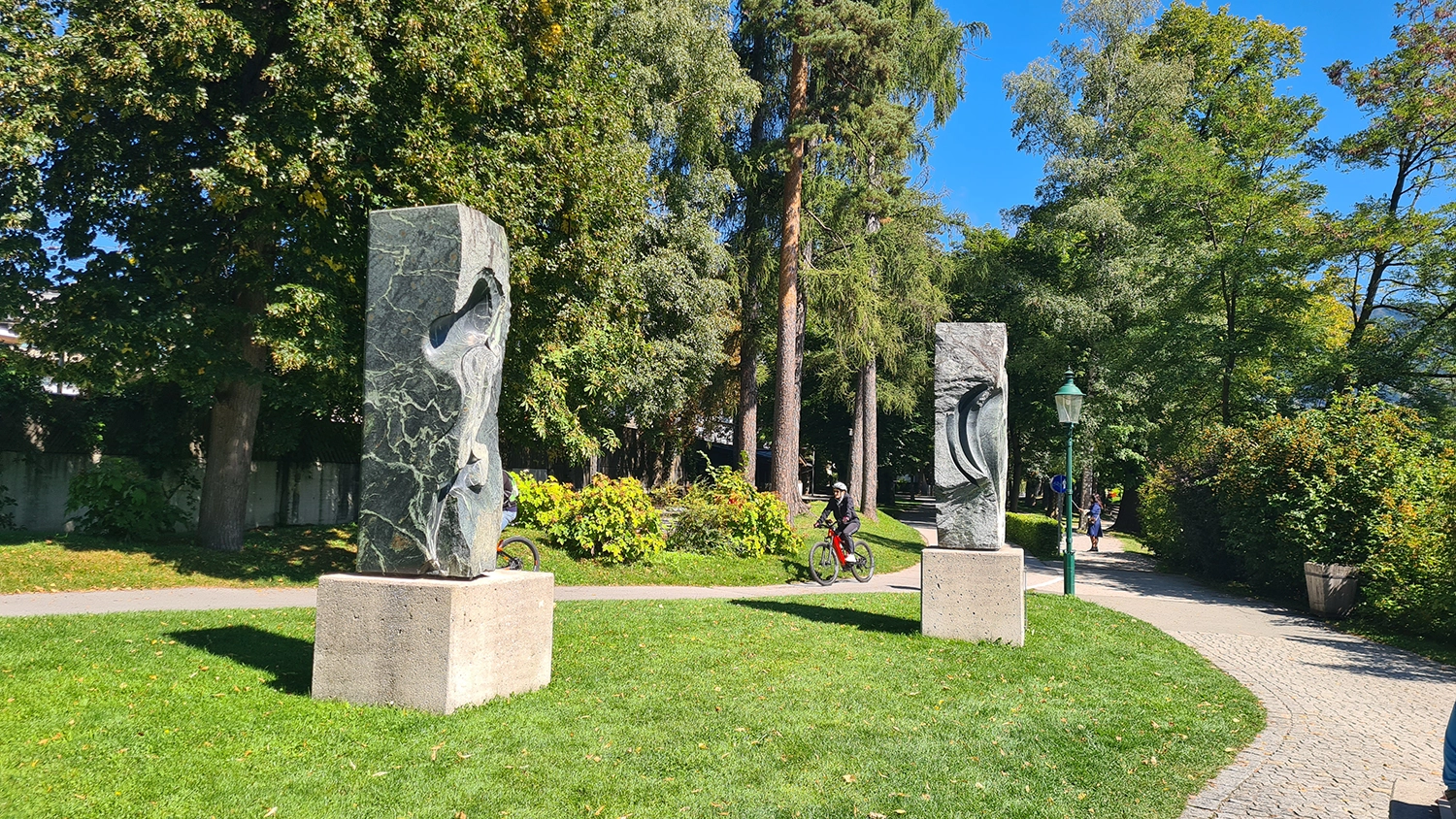
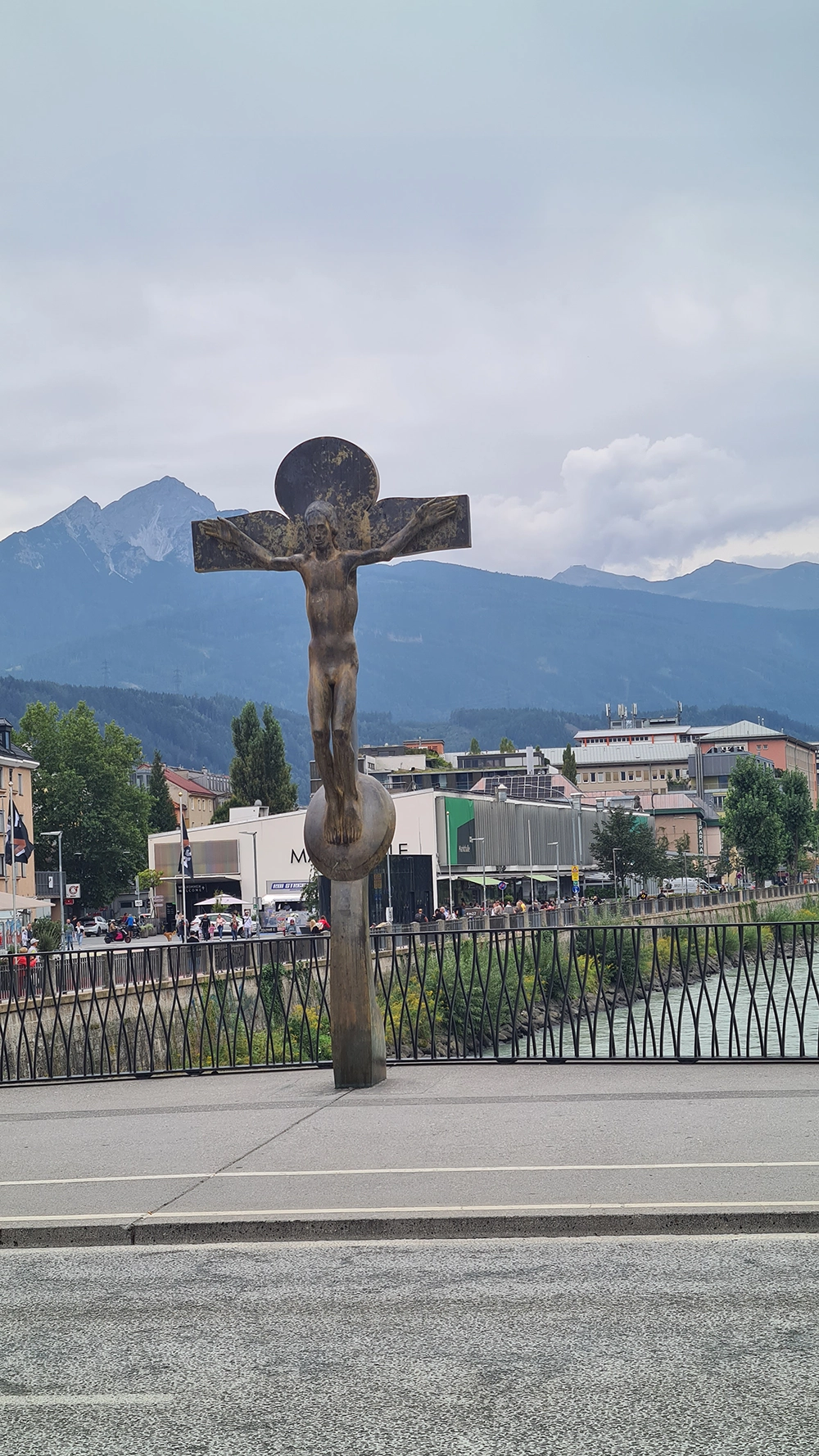
- The Crucifix by Rudi Wach is a striking modern sculpture located in Innsbruck, Austria, that powerfully blends contemporary artistry with deep spiritual symbolism. Created by the renowned Tyrolean sculptor Rudi Wach, the piece stands out for its expressive, abstract interpretation of the crucifixion. Crafted from bronze, the sculpture captures both the suffering and transcendence of Christ through elongated, fluid forms that evoke emotion and contemplation. Its raw texture and dramatic composition invite viewers to reflect on faith, humanity, and artistic expression. Set against the alpine backdrop of Innsbruck, the Crucifix by Rudi Wach serves as a poignant fusion of modern art and timeless devotion.
- The Goldener Adler, or Golden Eagle Inn, is one of Innsbruck’s oldest and most historic hotels, located in the heart of the Old Town. Established in 1390, this charming inn has welcomed countless travelers over the centuries, including famous guests such as Wolfgang Amadeus Mozart, Johann Wolfgang von Goethe, and Emperor Joseph II. The building beautifully combines medieval architecture with modern comfort, featuring traditional Tyrolean décor, warm hospitality, and an atmosphere steeped in history. Its on-site restaurant serves authentic Austrian cuisine, making it a favorite stop for both locals and visitors. Overlooking the cobbled streets and close to the Golden Roof, the Goldener Adler remains a symbol of Innsbruck’s timeless charm and rich cultural heritage.
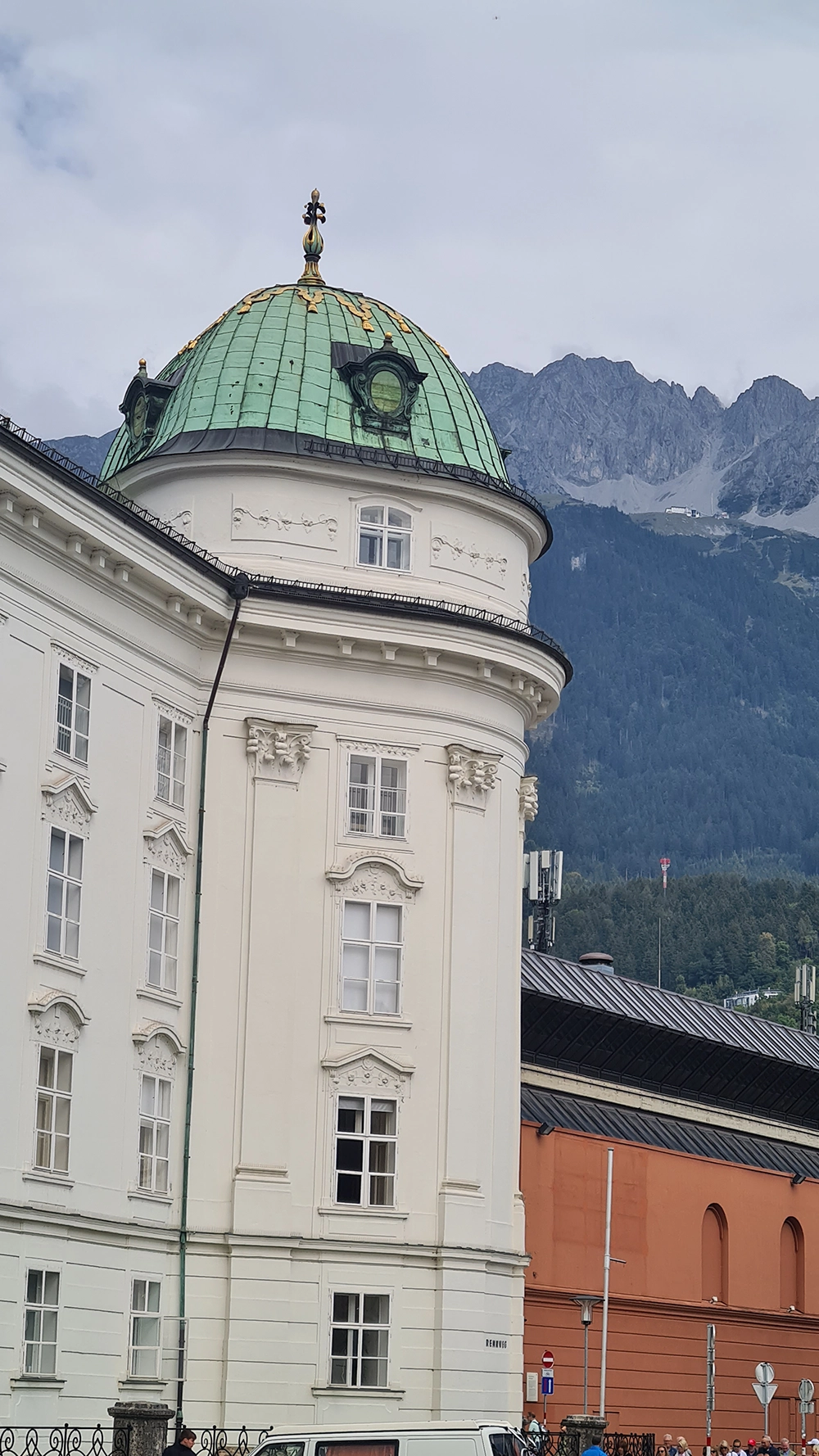
- The Habsburg Imperial Palace, or Hofburg Innsbruck, is one of Austria’s most significant historical landmarks and a magnificent example of imperial architecture. Originally built in the 15th century under Archduke Sigismund and later expanded by Emperor Maximilian I, the palace was transformed into a splendid Baroque and Rococo residence by Empress Maria Theresa in the 18th century. Inside, visitors can admire lavishly decorated state rooms, the grand Giant’s Hall with its stunning frescoes, and exhibitions that showcase the lives of the Habsburg rulers. Surrounded by beautiful mountain views and located in the heart of Innsbruck’s Old Town, the Hofburg reflects centuries of royal history and artistic elegance, offering a captivating glimpse into Austria’s imperial past.
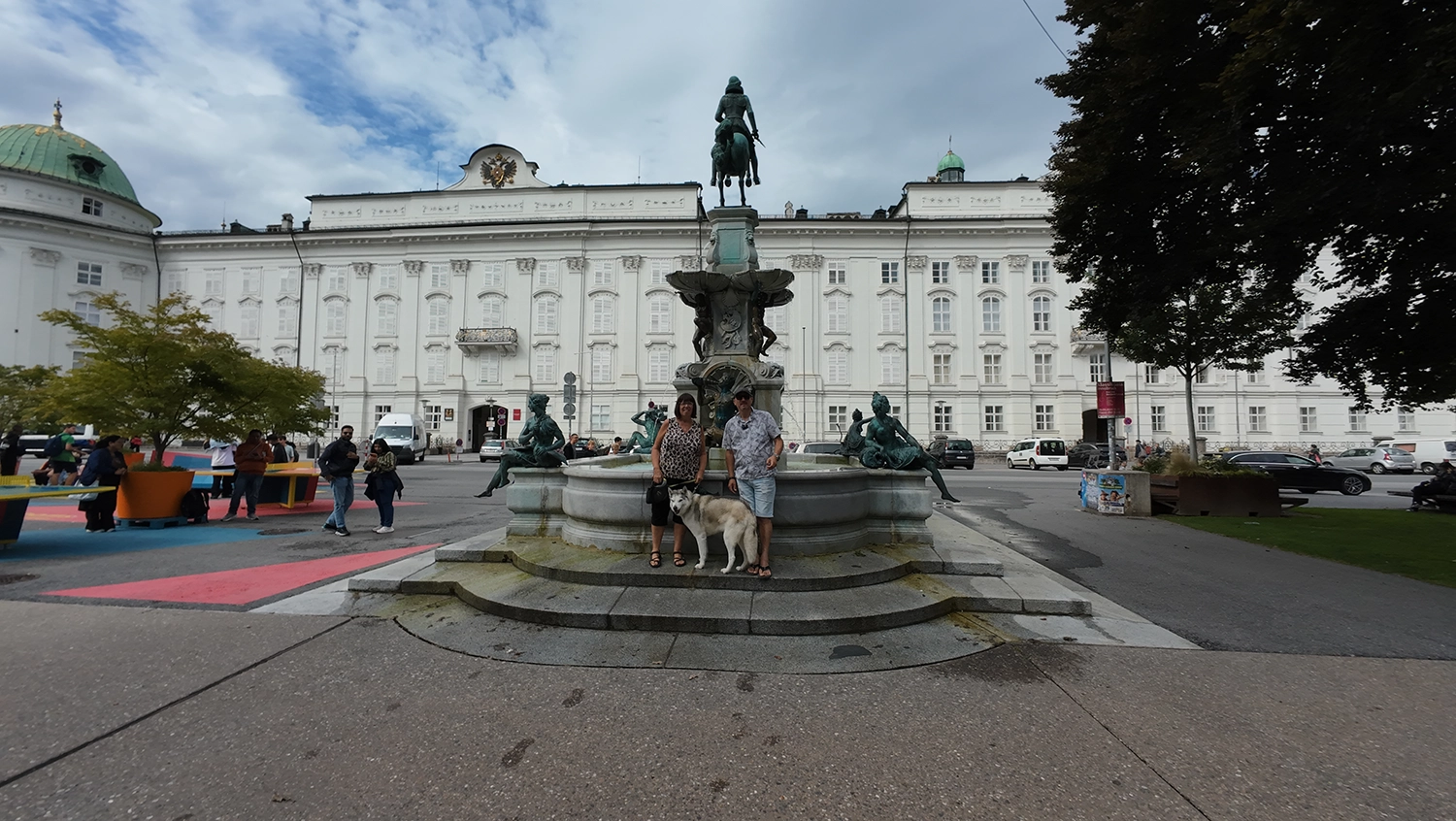
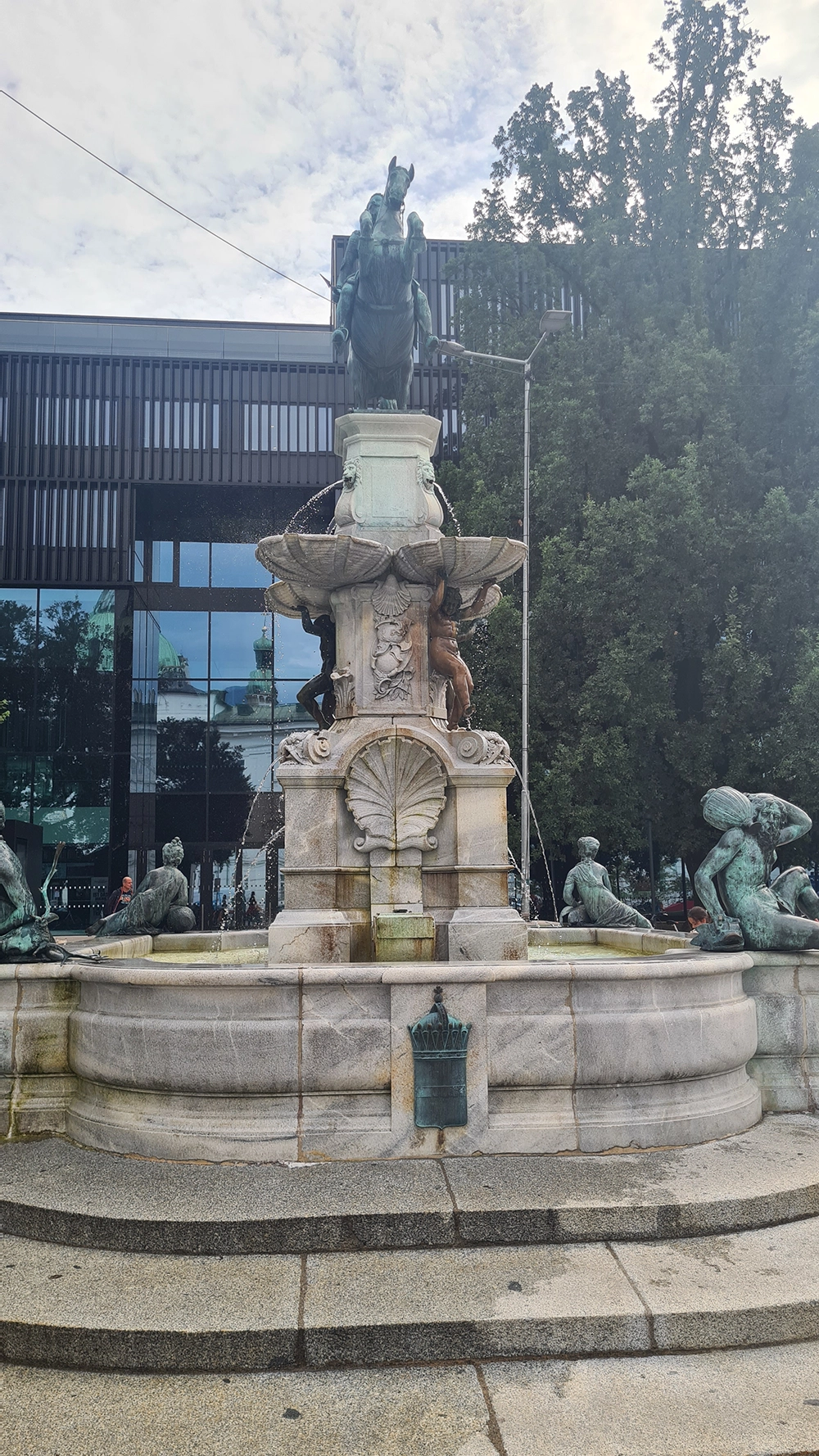
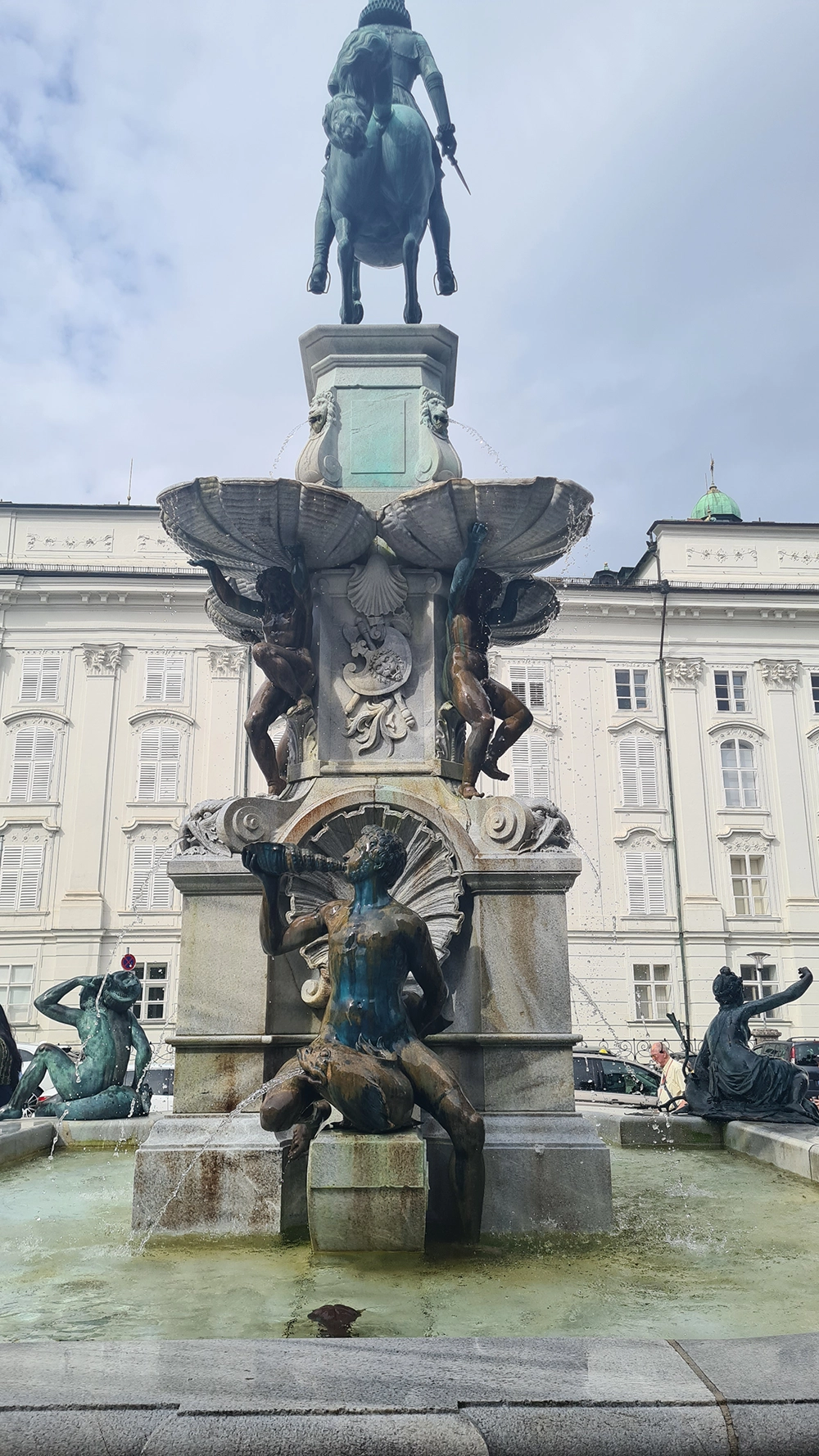
- The Leopold Fountain, or Leopoldsbrunnen, is one of Innsbruck’s most striking Baroque monuments, located near the Hofburg Imperial Palace. Built in the early 17th century, the fountain was commissioned by Archduke Leopold V to celebrate his reign. Its centerpiece is a grand bronze equestrian statue of the archduke, surrounded by mythological figures and flowing water that symbolize power and vitality. Set against the backdrop of Innsbruck’s historic buildings and mountain views, the fountain serves as both a work of art and a reminder of the city’s imperial past. The Leopold Fountain remains a popular landmark, admired for its detailed craftsmanship and its prominent place in Innsbruck’s cultural landscape.
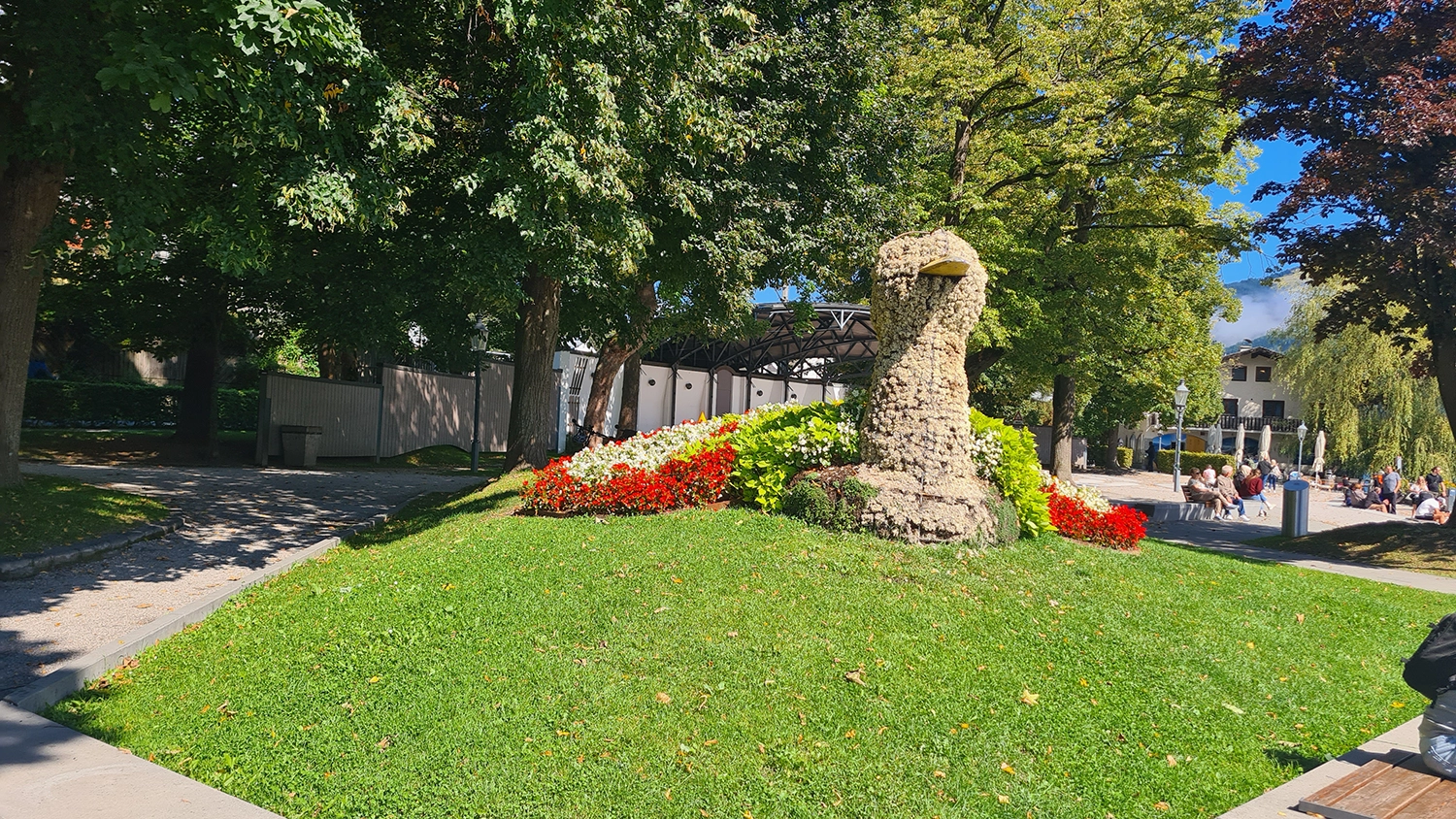
- The Musikpavillon in Innsbruck is a charming open-air music pavilion that serves as a beloved venue for concerts and cultural events, especially during the warmer months. Nestled within the scenic Hofgarten park, the pavilion provides a picturesque setting where locals and visitors can enjoy live performances surrounded by lush greenery and mountain views. Its elegant structure, often adorned with flowers, adds to the park’s relaxing atmosphere and highlights Innsbruck’s strong musical tradition. Whether hosting classical ensembles, local bands, or festive community gatherings, the Musikpavillon embodies the city’s harmonious blend of culture, nature, and artistry.
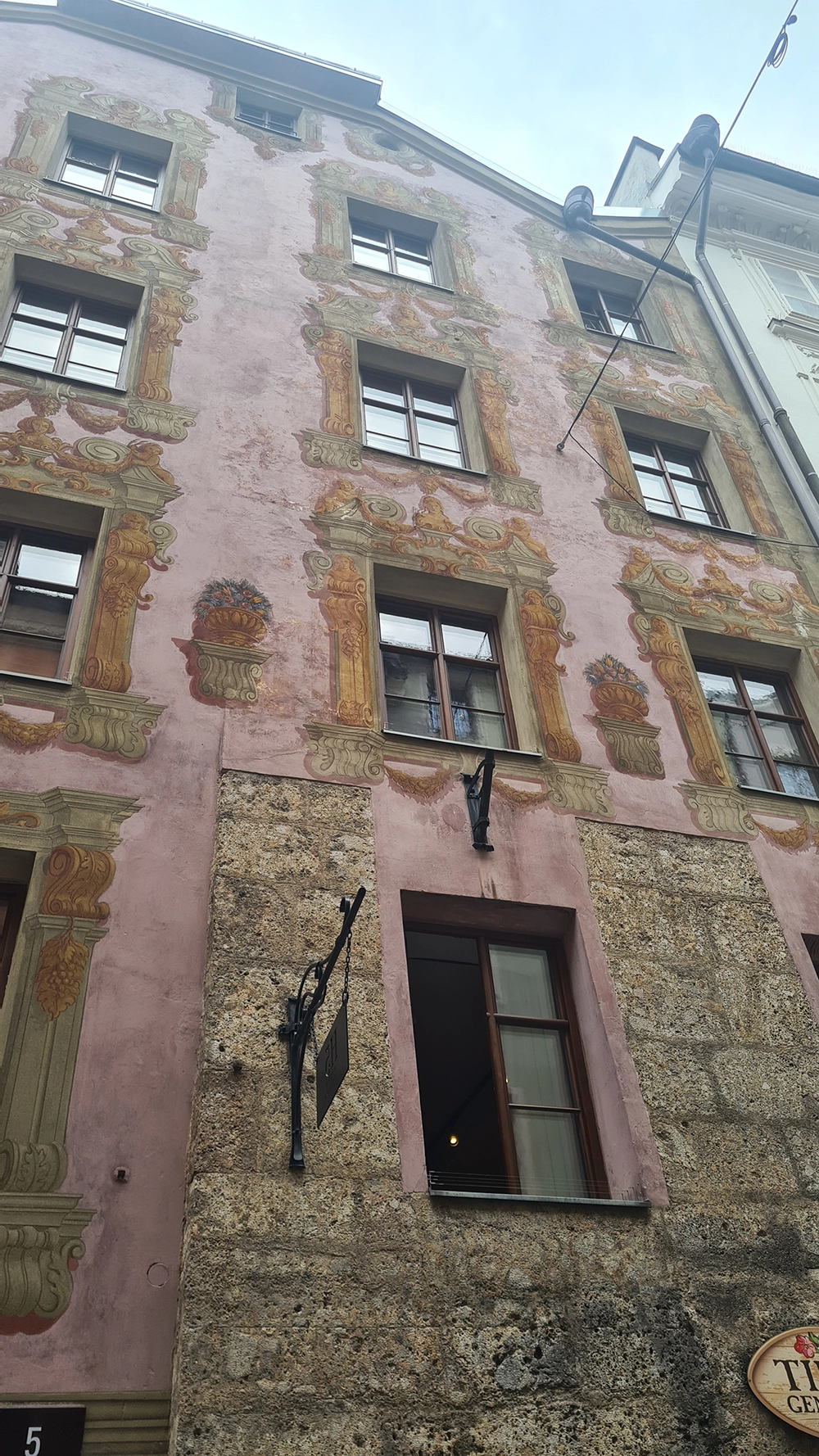
- The Old Town of Innsbruck, or Altstadt Innsbruck, is a beautifully preserved medieval quarter that captures the city’s rich history and alpine charm. Surrounded by colorful façades, arcaded streets, and ornate Gothic and Baroque architecture, it feels like stepping back in time. The narrow lanes are filled with boutique shops, cosy cafés, and traditional restaurants, all cantered around the iconic Golden Roof—a glittering landmark built for Emperor Maximilian I. Visitors can also admire the Imperial Palace, the City Tower, and numerous historic buildings that tell stories of Innsbruck’s royal and cultural heritage. With the snow-capped Nordkette mountains rising dramatically in the background, Innsbruck’s Old Town offers a perfect blend of history, atmosphere, and breath-taking scenery.
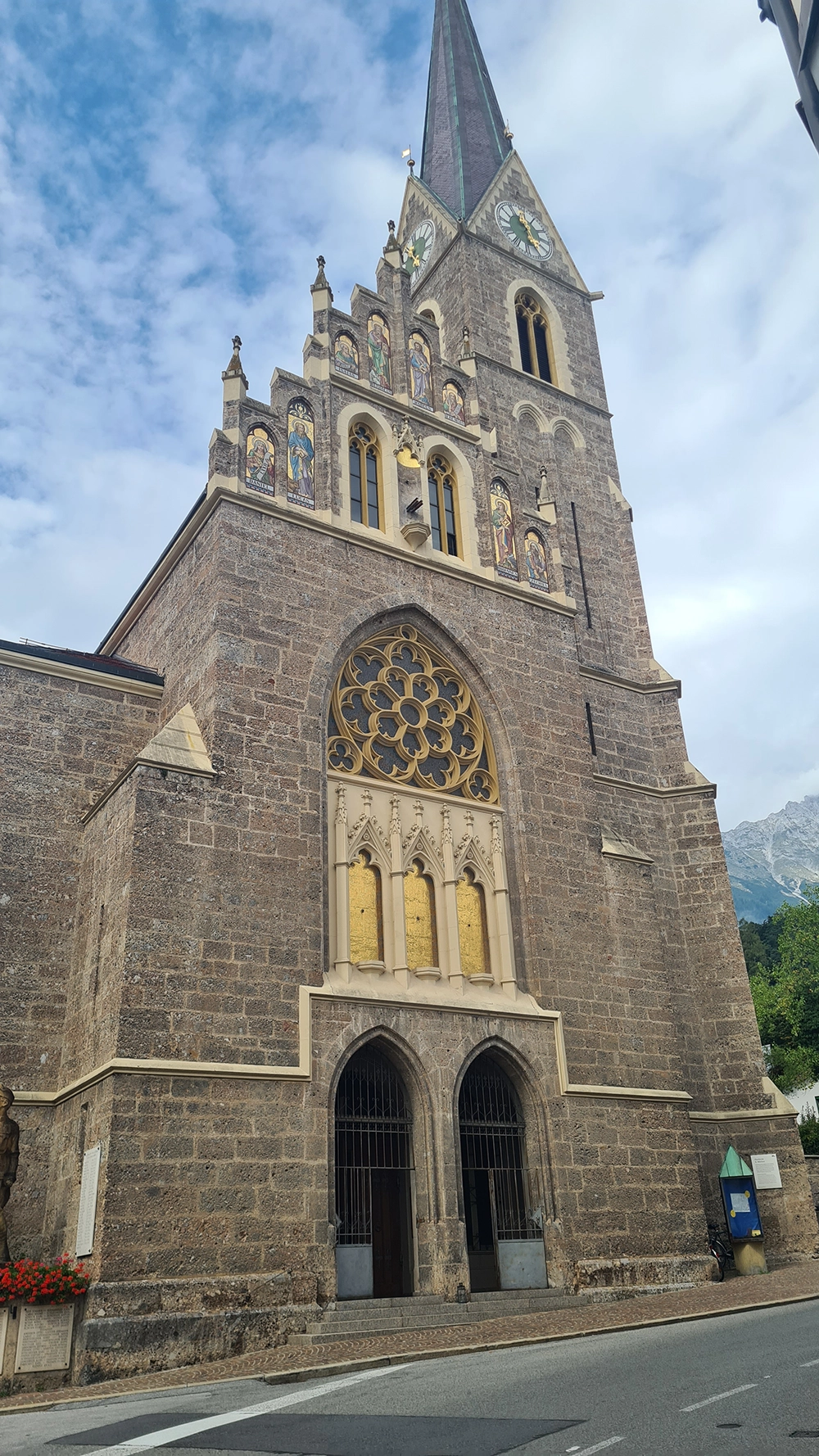
- Pfarrkirche St. Nikolaus, located in Innsbruck, Austria, is a historic parish church renowned for its striking Baroque architecture and serene interior. Built in the early 17th century, the church features an ornate façade, elegant twin towers, and a richly decorated nave adorned with frescoes and intricate altarpieces. Dedicated to Saint Nicholas, it has long served as a spiritual and community center for the city’s residents. Visitors are drawn to its peaceful atmosphere, detailed craftsmanship, and the sense of history that permeates the building. Set amidst the charming streets of Innsbruck, Pfarrkirche St. Nikolaus is both a place of worship and a cultural landmark that reflects the city’s religious and artistic heritage.
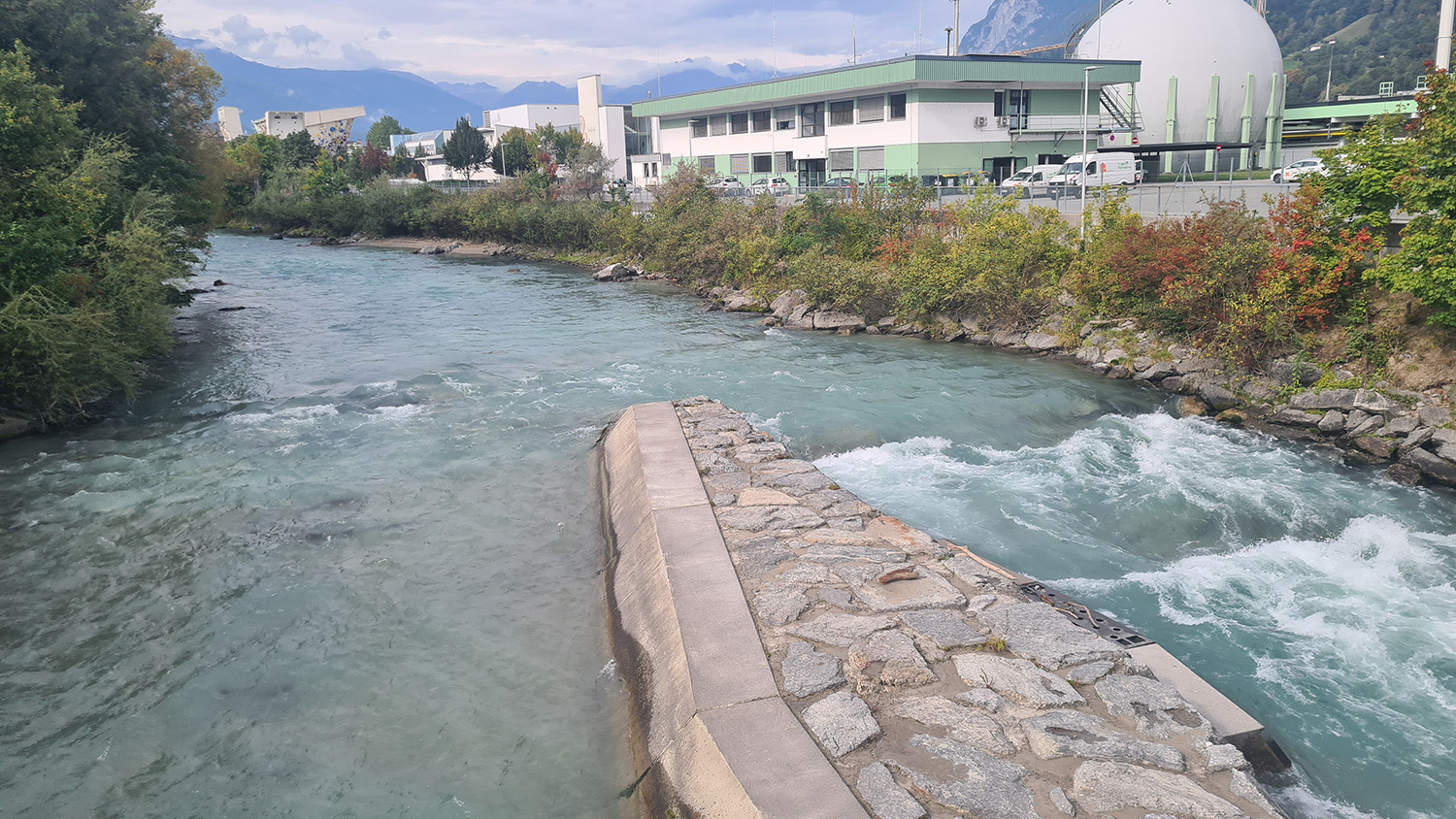
- The Sillbrücke Ost General Eccher is a modern bridge in Innsbruck, Austria, spanning the Sill River and serving as a vital connection for both pedestrians and vehicles. Named in honour of General Eccher, the bridge combines functional engineering with sleek, contemporary design, complementing the city’s historic architecture while supporting modern infrastructure. Its clean lines and sturdy construction make it a prominent feature along the river, offering scenic views of the surrounding mountains and cityscape. The Sillbrücke Ost General Eccher stands as both a practical crossing and a subtle architectural landmark within Innsbruck, linking the urban environment with the natural beauty of the Tyrolean Alps.
- The Hofgarten in Innsbruck is a historic park located on the edge of the Altstadt (Old Town), adjacent to the Hofburg, the Kongresshaus, and the Tyrolean State Theatre. Covering an area of 10 hectares, it has evolved over 600 years from a river meadow into a Renaissance garden, a French formal garden, and, since 1858, an English landscape garden
The city is a gem not to be missed, give yourself an extra day if possible.
Quick guide
- Stay: 1–2 nights
- Best for: Alpine city atmosphere
- Dog friendly: Good with nearby green space
- Booking: Recommended in peak season
- Motorhome rating: ★★★★★
Tips – links
Tip: Stay just outside the city and treat Innsbruck as a relaxed base rather than a driving stop.
Practical guidance
Austria motorhome tips
🚐 Road planning
Mountain roads can be spectacular, but they reward preparation. Check route suitability, gradients and any restrictions before committing to a scenic detour.
🏕 Campsites
Popular lake and city-adjacent sites are worth booking ahead, especially in summer when the best-located pitches disappear quickly.
🐕 Dogs
Austria is strong for dog-friendly touring, but city days are easier when balanced with lakeside or countryside walks before and after sightseeing.
🚲 Exploring
Bikes can transform a stop, especially around lakes and city edges where you want flexibility without moving the motorhome.
📷 Media moments
Austria rewards early starts and slower evenings. Those are often the best times for photography, drone-style scenic captures and quieter experiences.
⛽ Practical planning
Use larger towns to stock up before heading deeper into scenic areas, and avoid leaving fuel or service-point planning until late in the day.
Final thoughts
Would we return to Austria?
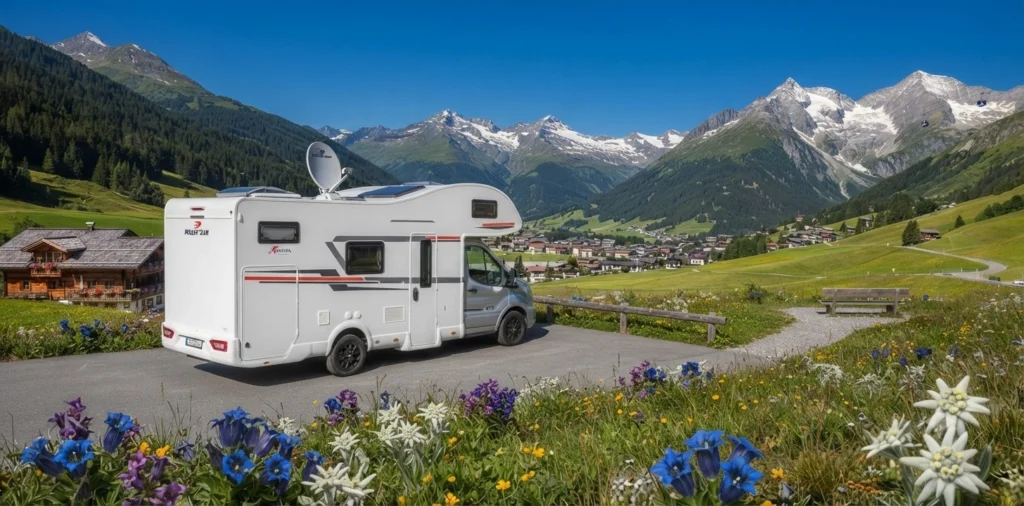
Absolutely. Austria has the kind of balance that makes a motorhome trip feel complete: dramatic landscapes, polished stopovers, rewarding city visits and enough practical structure to keep the journey enjoyable. It is the sort of country that encourages you to keep refining the route and planning the next return.
Return verdict: ★★★★★ for scenery, ★★★★★ for variety, ★★★★☆ for ease, and one of the most rewarding Alpine touring destinations to build into a wider European journey.