
Buying Guide
Motorhome Cost and Quality
Discover how budget, mid-range and premium motorhome manufacturers differ in build quality, insulation, materials and features. This practical guide helps you decide whether paying more really means better for your style of touring.
Why price differences matter
When you start comparing motorhomes, the price gap between brands can be surprising. Two layouts may look similar on paper, yet the real differences often appear in the body construction, insulation, furniture strength, heating systems, storage design and the quality of the finish. A sensible motorhome buying guide looks beyond glossy brochures and asks how a vehicle will perform over years of touring, in hot summers, wet weekends and colder shoulder-season trips.
Build Levels
Budget, mid-range and premium motorhomes
A useful motorhome comparison starts by understanding what each price bracket usually offers. Exact specifications vary by model and year, but these broad categories help explain what you are paying for.
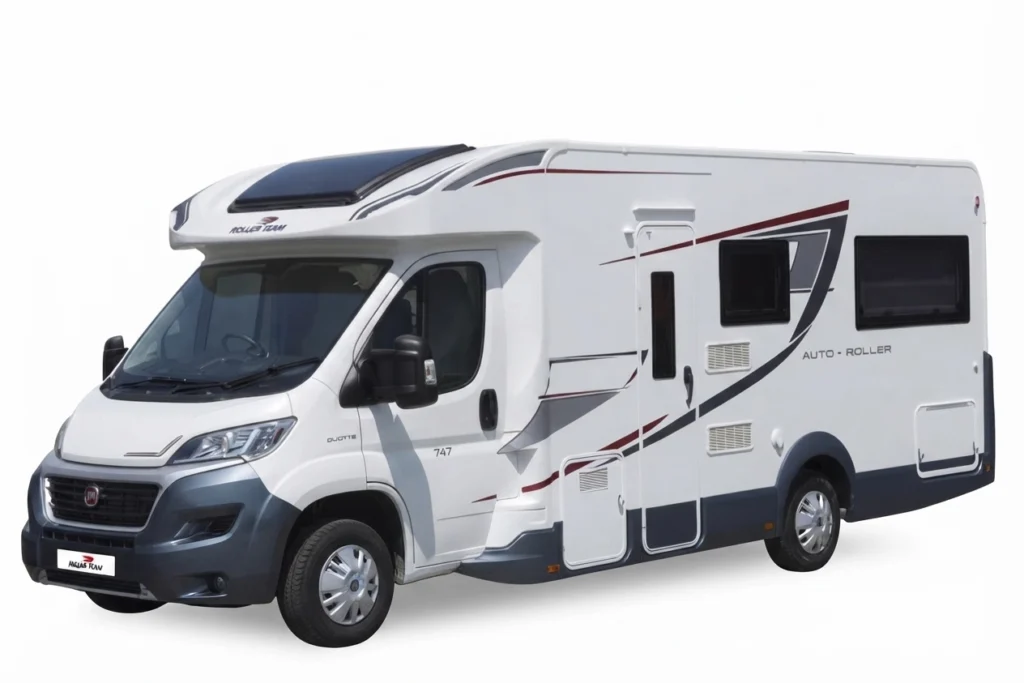
Budget manufacturers
Budget motorhomes are designed to make ownership more accessible. They often focus on practical layouts and good value, but may use simpler interior finishes, lighter cabinetry, thinner insulation and fewer standard extras. For many owners, they still provide everything needed for enjoyable touring, especially if trips are mostly in milder weather and on serviced sites.
- Livingstone, Kronos Compact
- Ultra-compact, slimline profiles, and van conversions.
- Livingstone (campervan) Kronos Compact Basic but well-equipped Good storage Practical layouts Usually Ford Transit or Fiat Ducato chassis
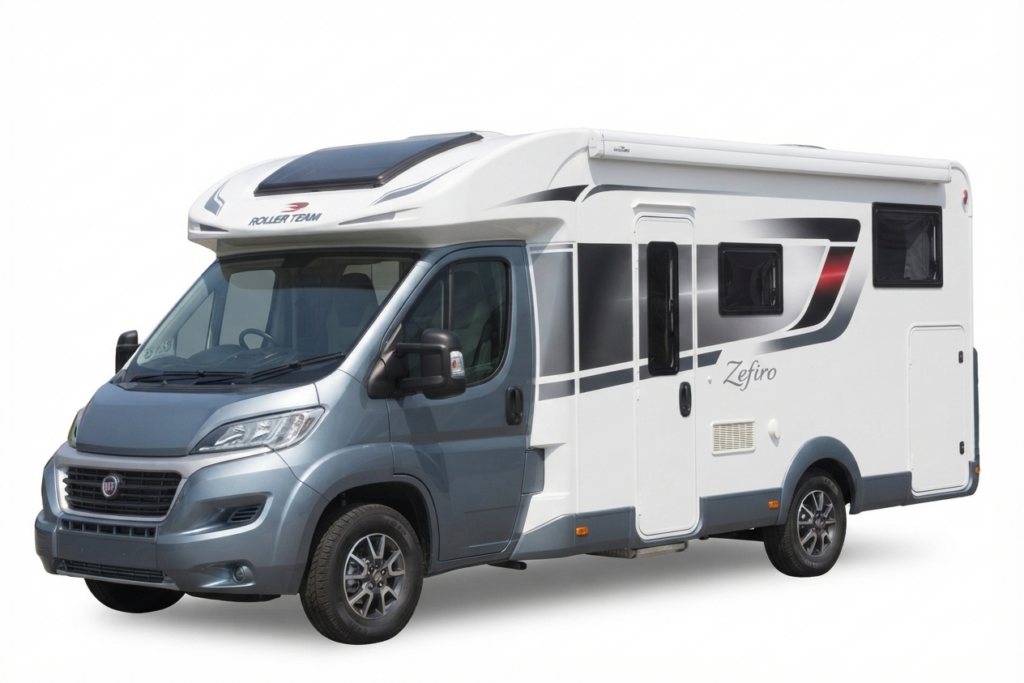
Mid-range manufacturers
Mid-range brands usually offer the best balance for regular touring. You often get better insulation, stronger furniture construction, improved washroom and kitchen fittings, more thoughtful storage and a more refined driving and living experience. This is the part of the market where many buyers find the sweet spot between price and long-term comfort.
- Zefiro & Auto-Roller
- Family-focused layouts, sleeping up to 6 people.
- Zefiro, Auto-Roller, T-Line
- Better insulation, More premium interior furniture, More premium interior furniture, Larger fridges, Better lighting, Electric drop-down beds on many layouts
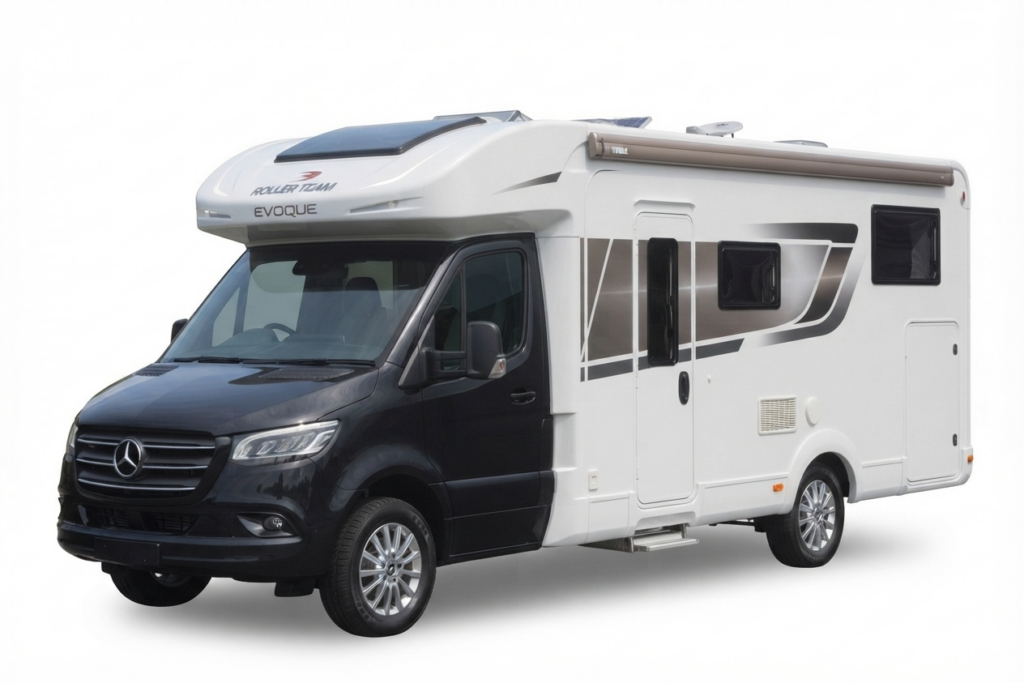
Premium manufacturers
Premium and luxury motorhomes generally offer higher-grade materials, stronger year-round insulation, quieter cabins, more advanced heating systems and a more polished finish throughout. They can feel more solid and better equipped for extended travel, but the extra cost only makes sense if you will genuinely benefit from those upgrades.
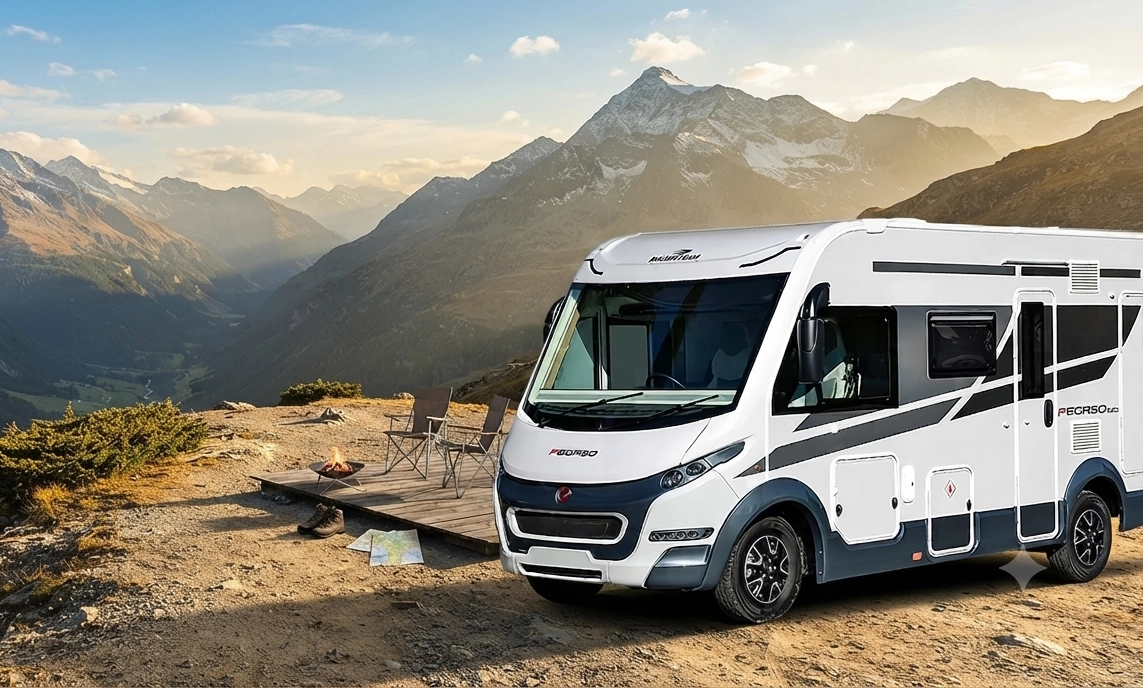
- T-Line – Pegaso
- Premium low-profile coach built with luxury finishes and Top-tier, fully integrated A-Class flagship motorhomes.
- T-Line, Pegaso (A-Class)
- Full panoramic cab Luxury furniture Better sound and thermal insulation Larger garage More premium upholstery Highest specification
What changes as you spend more
The biggest differences are not always visible in a quick dealership visit. They tend to show up in comfort, durability and how well the motorhome copes with real touring conditions.
Construction
Build quality and materials
As you move up the market, you will often see stronger wall and floor construction, better seals, sturdier hinges, more durable catches and furniture that feels less prone to rattles and wear. Premium models may also use better fabrics, worktops and trim materials that stand up more confidently to long-term use.
Comfort
Insulation and all-season use
Insulation quality can make a major difference to comfort. Better-insulated motorhomes tend to stay cooler in summer, warmer in winter and quieter in poor weather. If you plan to travel beyond peak season, stronger insulation and heating may be worth far more than cosmetic upgrades.

Ownership
Features, payload and practicality
Higher prices may also bring larger fridges, upgraded heating, solar preparation, better lighting, improved beds and more thoughtful storage. However, extra equipment can affect payload, so always check the actual weight figures before purchase. Regulations, equipment rules and model details can change, so confirm the latest specification and legal requirements before you buy.
Buying Advice
Does paying more always mean better?
Not always. The best choice depends on how you travel, how often you tour and what level of comfort matters most to you. A smart motorhome comparison weighs value against real use rather than assuming the most expensive option is automatically the right one.
Buy a cheaper motorhome and upgrade it
Pros
- Lower purchase price.
- You only pay for the extras you actually want.
- You can spread the cost over time.
- You get exactly the specification you like.
Cons
- Many upgrades cost more after purchase than when factory fitted.
- Fitting can take time and involve trips to installers.
- Some modifications can affect warranties.
- You rarely recover the full cost when selling.
Choose budget if
You are new to ownership, mainly travel in spring and summer, use campsites with hook-up and want a practical way to get started without stretching your budget.
Choose mid-range if
You want stronger long-term value, better comfort and a more refined touring experience for regular UK and European trips.
Choose premium if
You travel often, tour in colder months, spend longer periods away and will genuinely use the extra comfort, insulation and upgraded systems.
Compare with caravans too
If total ownership cost is a major factor, it is worth reading our Caravan or Motorhome guide as part of your wider caravan comparison and motorhome or caravan research.
Common questions before you buy
These quick answers can help you narrow down the right build level for your touring plans.
Are premium motorhomes always more reliable?
Not necessarily. Premium brands may offer stronger materials and better finish quality, but reliability still depends on servicing, maintenance and how the vehicle has been used.
Is mid-range the best option for most buyers?
For many owners, yes. Mid-range motorhomes often provide the best balance of comfort, build quality and value without moving into luxury pricing.
Does better insulation really matter?
If you tour outside peak summer, it can make a huge difference. Better insulation improves comfort, reduces condensation and supports more enjoyable year-round travel.
Should I compare layouts before brands?
Usually, yes. Start with the layout that suits your travel style, then compare brands within that category. Our Motorhome Types guide is a good place to begin.
What should I check before buying used?
Look closely at damp history, service records, payload, tyre age, habitation checks and signs of wear in hinges, seals and furniture. Model details can change from year to year, so verify the exact specification.
Where can I learn more before my first trip?
Touring Home Helper readers can continue with First Motorhome Trip in the UK or First Motorhome Trip in the EU for practical preparation advice.