Tech & Guides
Wet Timing Belts Explained
A practical guide to wet belts, dry belts, and timing chains for Roller Team motorhome owners. Learn the differences, the risks, and what to ask before buying or servicing your vehicle.
Overview
Timing Systems Overview: Wet, Dry, and Chain
Modern base vehicles can use wet timing belts, dry timing belts, or chain timing systems. Each setup has different strengths, service demands, and long-term ownership implications. Understanding how these systems work can help you make better maintenance decisions and avoid expensive surprises.
Wet timing belts
Wet timing belts operate in an oil bath, which helps reduce friction, dissipate heat, and dampen noise for quieter engine operation. However, they are more vulnerable to degradation from oil impurities and usually involve more complex replacement procedures.
Dry timing belts
Dry timing belts function without lubrication and are typically located outside the engine behind a protective shield. They are generally simpler in design, but they often require more frequent replacement than wet belt systems.
Timing chains
Chain timing systems are made of metal and are known for their durability and long service life. However, they are heavier and noisier than timing belt systems, which can affect refinement and overall engine sound.
Why it matters
For motorhome owners, the timing system affects maintenance planning, resale confidence, and risk management. It is not just a technical detail — it is part of the total cost of ownership.
What to check before you buy or book a service
If you are researching a used motorhome or planning maintenance, focus on the basics first. A little clarity now can prevent major costs later.
01
Identify the engine
Confirm the exact base vehicle, engine size, and model year. Similar-looking motorhomes can use different timing systems depending on the engine fitted.
02
Check the service record
Look for evidence of oil changes, belt replacements, and manufacturer-recommended servicing. Missing paperwork should always raise questions.
A timing system should never be a mystery purchase. The more clearly you understand the engine and its maintenance history, the more confidently you can travel.
03
Ask about intervals
Service schedules vary by engine and manufacturer guidance. Always check the correct replacement interval for age and mileage rather than relying on assumptions.
04
Budget realistically
A cheaper vehicle can become expensive if major timing work is overdue. Build likely maintenance costs into your buying or ownership plan.
Owner guidance
How wet belts affect motorhome ownership
Wet timing belts are not automatically a reason to avoid a vehicle, but they do demand informed ownership. The key is understanding the maintenance implications and acting early.
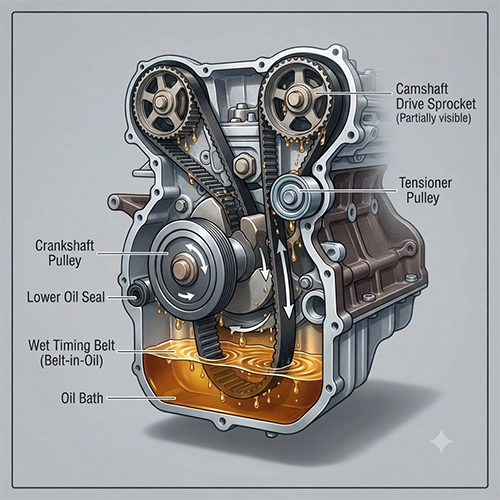
Oil quality matters
Because the belt operates in oil, using the correct oil grade and changing it on time is especially important. Poor servicing can increase wear and shorten component life.
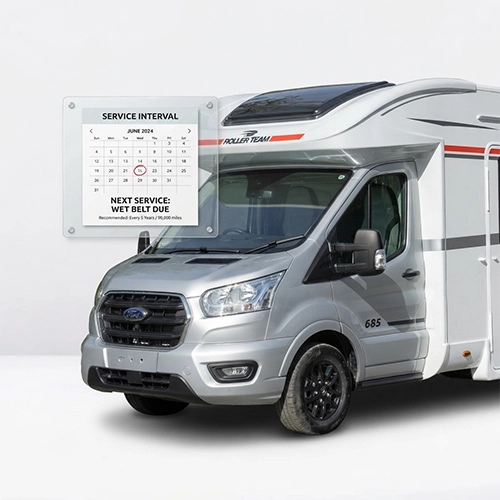
Intervals matter more than assumptions
Do not rely on forum guesses or generic advice. Always confirm the correct interval for your specific engine and follow manufacturer guidance.
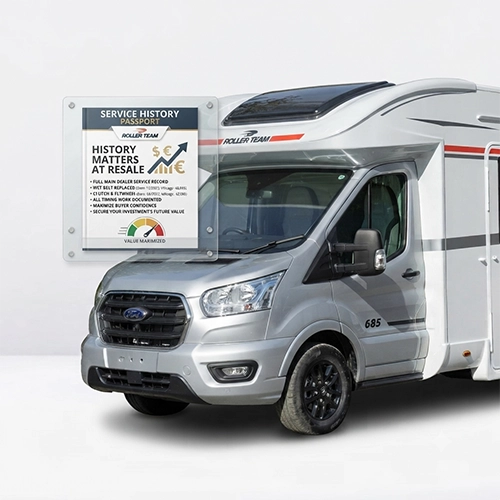
History matters at resale
A clear record of proper servicing and any completed timing work can make a big difference to buyer confidence and future value.